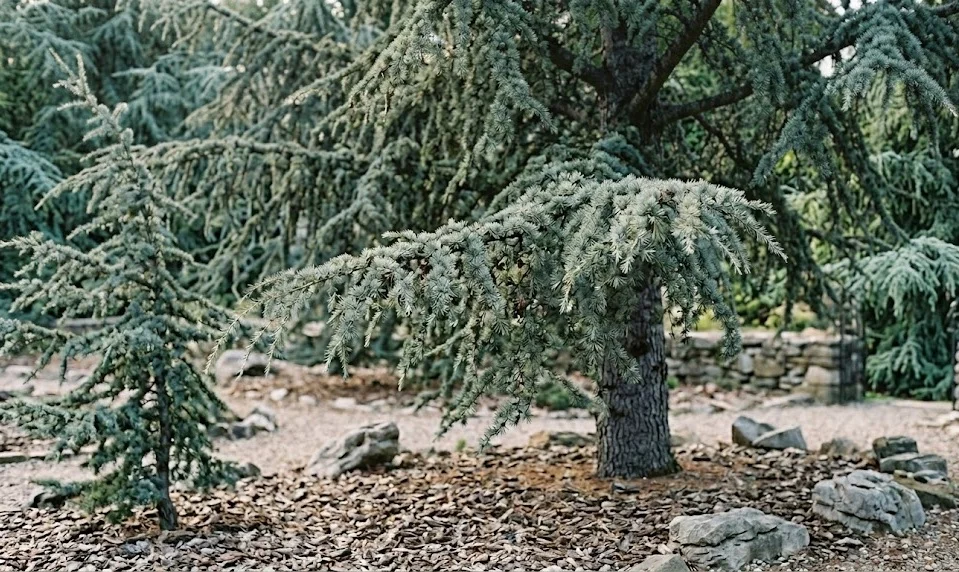

Understanding the light requirements of the Himalayan cedar is fundamental to ensuring its health and maintaining its iconic architectural form. You must realize that as a species adapted to high-altitude mountain environments, this tree has a strong preference for bright, open spaces. The amount of sunlight the tree receives directly influences its growth rate, the density of its foliage, and the vibrancy of its needle color. By providing the optimal light conditions, you allow the tree to reach its full potential as a majestic focal point in your landscape.
Full sun is the ideal environment for a Himalayan cedar, meaning it should receive at least six to eight hours of direct sunlight each day. You will notice that trees grown in these conditions develop a much tighter and more symmetrical canopy compared to those in shaded areas. The intensity of the light helps stimulate the production of the protective waxes that give the needles their characteristic silvery-blue or deep green hues. A sun-drenched location also ensures that the internal branches receive enough energy to remain healthy and productive throughout the year.
If you plant this tree in a location that is too dark, you will see a significant decline in its overall vigor and aesthetic appeal. You might find that the branches become leggy and sparse as the tree tries to stretch toward the available light source. The inner foliage often turns brown and drops off prematurely because it cannot perform enough photosynthesis to support itself. This creates a “hollow” look that detracts from the naturally lush and graceful appearance of a healthy specimen.
Morning sun is particularly beneficial because it helps dry the overnight dew from the needles, reducing the risk of fungal infections. You should try to position the tree where it can catch the first rays of the day to start its metabolic processes as early as possible. While the tree can handle the intense heat of the afternoon sun, providing some protection from the hottest rays can be helpful in very southern climates. Balancing these light needs with the other environmental factors in your garden is the key to long-term success.
Optimal sunlight exposure
The quality of light is just as important as the quantity when you are choosing a permanent home for your cedar. You should look for a spot that is not shaded by large buildings or other massive trees that might block the path of the sun. The shadow patterns in your garden change significantly throughout the year, so you must consider how the light will hit the tree in every season. A site that is sunny in the summer might be in deep shade during the winter when the sun is much lower in the sky.
More articles on this topic
Reflected light from light-colored walls or water features can also contribute to the total energy the tree receives each day. You can use this to your advantage if you are planting in a slightly less than ideal location where direct sun is limited. However, you must be careful that the reflected light does not become so intense that it causes scorching of the sensitive needles. Observing the tree’s reaction to its environment over the first few months will tell you if the light levels are balanced correctly.
Young trees are sometimes more sensitive to sudden changes in light levels than older, more established specimens. You should be careful when moving a tree from a shaded nursery environment into a full-sun location in your garden. Gradually exposing the tree to increasing amounts of light over a period of a few weeks can prevent “sunscald” on the foliage. This transition allows the needles to build up their natural defenses and adapt to the higher intensity of the ultraviolet rays.
The orientation of the tree in relation to the points of the compass can also affect how it grows over time. You might notice that the side of the tree facing the south or west is fuller and more vibrant than the side facing north. This is a natural response to the uneven distribution of light and is usually not a cause for concern in a healthy tree. If the difference becomes too pronounced, you might consider pruning nearby plants to allow more light to reach the shadier side of the cedar.
Impact of shade and competition
Competition for light is a constant battle in a crowded garden, and you must ensure your cedar does not lose out. You should be proactive about thinning out surrounding vegetation that might be encroaching on the tree’s airspace. Even a small amount of shade from an overhanging branch can cause localized thinning of the cedar’s foliage over time. Keeping a clear “buffer zone” around the tree ensures that it has exclusive access to the sunlight it needs to thrive.
More articles on this topic
Partial shade is tolerated by some varieties of Himalayan cedar, but it is never the preferred condition for maximum growth. You will find that trees in partial shade grow more slowly and may never reach the massive proportions of their sun-grown counterparts. If you must plant in a shadier spot, choose a variety that is specifically known for its ability to handle lower light levels. Be prepared to provide extra care in other areas, such as fertilization, to compensate for the reduced energy from the sun.
Deep shade is a condition that will eventually lead to the death of a Himalayan cedar if it is not corrected. You should never plant this species under the dense canopy of larger deciduous trees where it will be starved of light for most of the day. If you notice a tree is struggling in a dark corner, the only real solution is to move it to a sunnier location or remove the source of the shade. No amount of water or fertilizer can make up for a lack of the fundamental energy provided by the sun.
The density of the tree’s own canopy can also lead to internal shading, which is a natural part of its growth process. You should expect the very center of the tree to be relatively open and free of needles as it matures and the outer layers thicken. This is normal and allows for better air circulation throughout the structure of the massive plant. However, if the thinning starts to move toward the outside of the branches, it is a clear sign that the overall light levels are too low.