
While wild garlic does not require traditional pruning like a shrub or a tree, managed cutting is a professional technique used to maintain the health and aesthetics of the patch. You must understand how to interact with the plant’s natural senescence to ensure that you are helping, rather than hindering, its development. This guide covers the specific moments and methods for removing foliage and flower stalks to optimize both the current harvest and the future vigor of the colony. Mastering these simple cutting tasks is an essential skill for any serious gardener.
Post-flowering maintenance and management
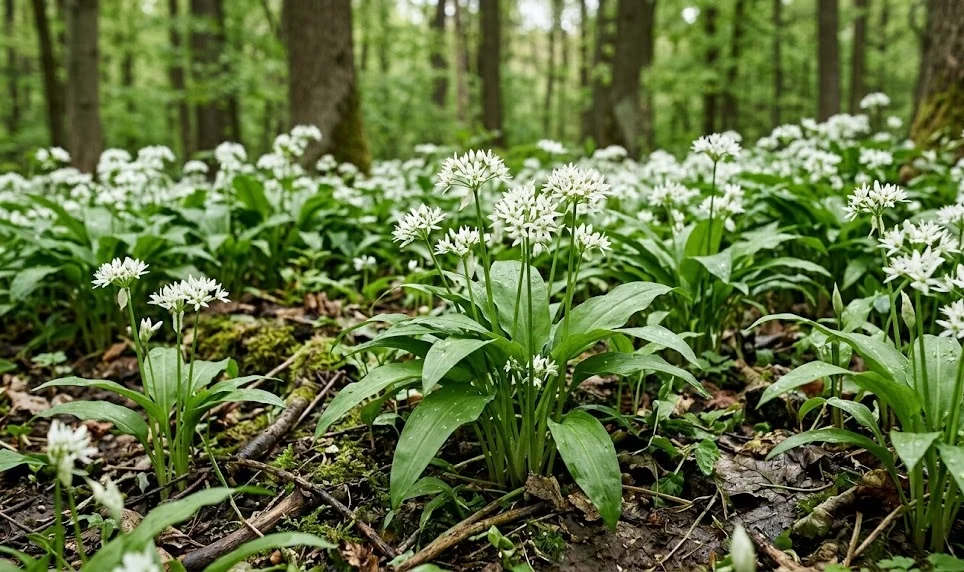
Once the white flowers of the wild garlic begin to fade in late spring, the plant’s energy focus shifts from reproduction to seed development. You should decide whether you want to allow the plant to produce seeds or if you prefer to divert that energy back into the bulb. If you do not need the plant to self-sow, you should cut the flower stalks off at the base as soon as the petals begin to wither. This process, known as deadheading, prevents the plant from spending its limited resources on seed production. By removing the fading flowers, you encourage the bulb to store more starch for a stronger showing in the following spring.
Managing the spread of the colony is another reason why you might choose to prune the flower heads before they mature. You should be aware that a healthy wild garlic patch can produce thousands of seeds, which can lead to the plant becoming invasive in some garden settings. If you want to keep your garlic contained within a specific area, cutting back the flowers is the most effective way to prevent unwanted expansion. This level of control allows you to integrate the plant into a more formal garden design without fear of it taking over other beds. Pruning for containment is a professional strategy for maintaining a balanced garden ecosystem.
When cutting the flower stalks, you should use a sharp, clean pair of garden snips to make a clean cut as close to the ground as possible. Avoid pulling the stalks by hand, as this can often damage the center of the bulb and provide an entry point for rot. A clean cut heals quickly and minimizes the stress on the plant during this transitional phase of its lifecycle. Keeping your tools sterilized between uses is a professional habit that prevents the accidental spread of any lingering garden diseases. This attention to detail ensures that your pruning is a benefit to the plant’s long-term health.
If you choose to leave some flower heads for seed collection, you should monitor them closely as they turn from green to brown. You should only cut the seed heads when the capsules are dry and the black seeds inside are clearly visible and ready to drop. This allows the plant to complete its natural cycle while giving you the opportunity to harvest the seeds for propagation in other areas. Balancing the needs of the current patch with the desire for future expansion is a sign of a thoughtful and strategic gardener. Proper timing is everything when it comes to managing the reproductive phase of wild garlic.
More articles on this topic
Removing yellow and aging foliage
As the heat of early summer arrives, the leaves of the wild garlic will naturally begin to turn yellow and lose their vibrant green color. You should resist the urge to cut these leaves off as soon as the yellowing starts, as the plant is still in the process of reabsorbing nutrients. During this phase, the chlorophyll is breaking down and the essential minerals are being transported back into the underground bulb. If you remove the leaves too early, you are effectively “starving” the bulb of the energy it needs for the next year. Patience during this period of natural decline is the hallmark of an expert who understands plant physiology.
The professional rule of thumb is to only cut back the foliage once it has turned completely brown and has become paper-thin and dry. You should be able to gently pull the dead leaves away from the ground with almost no resistance, indicating that the connection to the bulb has been severed. If the leaves are still firmly attached, it is a sign that the nutrient transfer is not yet complete and you should wait a bit longer. Once the foliage is fully dormant, clearing it away helps keep the garden tidy and removes potential hiding spots for pests. This clean-up is the final active task of the growing season.
Cleaning up the dead foliage is also an important step in maintaining good hygiene in your wild garlic patch. You should remove the dried leaves from the area and dispose of them properly, especially if you noticed any signs of mold or mildew earlier in the year. Removing this old organic matter prevents fungal spores from overwintering on the surface and re-infecting the new shoots in the spring. A clean “slate” at the beginning of the dormant season is the best foundation for a healthy emergence next year. This cycle of growth and cleanup is a fundamental part of sustainable garden management.
If you find the sight of yellowing leaves in your garden unsightly, you should consider planting “filler” plants that emerge as the garlic fades. You should look for species like hostas, ferns, or other shade-loving perennials that can hide the declining garlic foliage without competing for its resources. This allows the garlic to complete its natural lifecycle undisturbed while maintaining the aesthetic beauty of your garden beds. Designing your garden with these overlapping lifecycles in mind is a professional approach to landscape architecture. It solves the visual problem of dying foliage without compromising the health of the bulbs.
More articles on this topic
Managing spread through strategic cutting
Strategic cutting can be used throughout the season to manage the density and health of a large wild garlic colony. You should observe your patch for areas that have become so dense that the plants are beginning to struggle or show signs of disease. In these cases, you can selectively “thin” the patch by cutting some of the leaves and flower stalks more aggressively than in other areas. This improves the airflow through the remaining plants and ensures that each individual has enough space and resources to thrive. Managed thinning is a way to rejuvenate an older patch and keep it productive for many decades.
If the wild garlic begins to encroach on other sensitive garden plants, you can use regular cutting to define the boundaries of your patch. You should be consistent in removing any shoots that emerge outside of the designated area, which will eventually weaken the spreading runners. While this takes more effort than physical barriers, it allows for a more natural and fluid garden design that can change over time. By staying on top of the edges, you ensure that the wild garlic remains a welcome guest rather than a hostile invader. This proactive management is essential for keeping a diverse and healthy garden.
For those who harvest wild garlic for culinary use, the act of picking leaves is actually a form of gentle, ongoing pruning. You should always follow a sustainable harvesting pattern by taking only a small percentage of leaves from each individual plant. This “thinning harvest” allows the remaining leaves to grow larger and ensures that the plant is not over-stressed by the loss of its photosynthetic surface. By thinking of your harvest as a management tool, you can improve the overall quality of the patch while filling your kitchen. This dual-purpose approach is the mark of a truly efficient and professional gardener.
Finally, you should always keep a record of how your cutting and pruning activities affect the health of the patch over several years. You should note if a particular area that was thinned out has more vigorous growth the following spring compared to an unmanaged area. These observations allow you to refine your techniques and develop a care routine that is perfectly suited to your specific garden environment. Gardening is a long-term conversation with the natural world, and pruning is one of the most direct ways to communicate your goals to the plants. With careful and professional management, your wild garlic will be a source of pride and flavor for a long time to come.