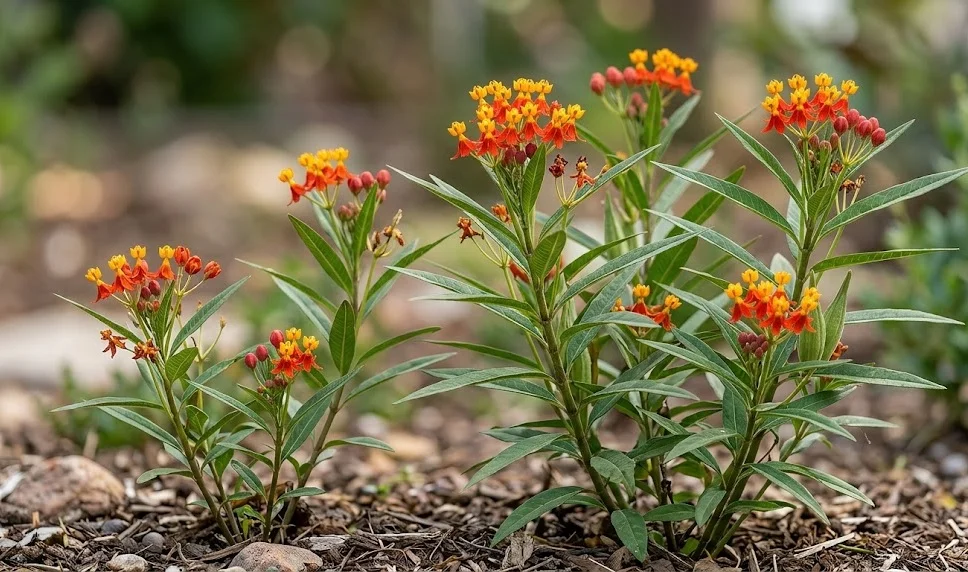

Pruning and cutting back tropical milkweed is a necessary task that promotes a bushier growth habit, increases flower production, and helps manage pests. While it might seem counterintuitive to cut away healthy-looking parts of a plant, it is actually one of the most effective ways to maintain its vitality. Regular pruning prevents the plant from becoming too tall and top-heavy, which can lead to broken stems during summer storms. A professional gardener uses pruning as a tool to shape the plant and direct its energy toward the most productive areas. This article will teach you the proper techniques and timing for pruning your milkweed to achieve a professional-looking result in your landscape.
The main goal of pruning is to encourage the plant to branch out from the base rather than growing as a single, tall stalk. When you remove the growing tip of a stem, the plant redirects its growth hormones to the dormant buds lower down on the plant. This results in multiple new branches, each of which will eventually produce its own cluster of beautiful flowers. This simple technique can double or even triple the amount of color you get from a single plant in a single season.
Timing is a critical factor in successful pruning, as you want to work with the plant’s natural growth cycles rather than against them. Generally, the best time for a major pruning is in the early spring as the new growth is just beginning to emerge from the soil. This allows the plant to recover quickly and put its energy into a fresh set of healthy branches for the coming year. A professional approach involves being patient and waiting for the right moment to make your cuts.
Throughout the summer, lighter pruning and “deadheading” can be used to keep the plant looking tidy and to encourage continuous blooming. By removing spent flowers before they can form seed pods, you signal to the plant that it should produce even more blossoms. This persistent care ensures that your garden remains vibrant and attractive to pollinators throughout the entire growing season. Every cut you make should have a clear purpose and be done with a sharp, clean tool to ensure the health of the plant.
Techniques for shaping and encouraging growth
The most common pruning technique for this species is known as “pinching,” which involves removing the very tip of the stem with your fingers or shears. This should be done when the plant is about six to eight inches tall to encourage early branching and a more compact shape. You will see new growth emerging from the leaf nodes within just a few days, creating a much fuller and more attractive specimen. This professional secret is the key to creating those impressive, multi-stemmed plants seen in botanical gardens.
More articles on this topic
If a plant has become too leggy or overgrown, a more aggressive “heading back” cut might be necessary to restore its shape. This involves cutting the stems back by up to a third of their total length, just above a healthy set of leaves or a visible node. Don’t be afraid to be bold with your cuts, as the plant is remarkably resilient and will quickly bounce back with renewed vigor. A professional gardener knows that a temporary loss of height is worth the long-term benefit of a stronger and more beautiful plant.
Always make your cuts at a forty-five-degree angle to allow water to run off the wound rather than pooling on the surface. This simple technical detail reduces the risk of fungal infections or rot setting in at the site of the pruning. You should also ensure that your tools are sharp and sterilized with alcohol between plants to prevent the spread of diseases. Attention to these small details is what characterizes a professional approach to garden maintenance and plant health.
Removing any crossing or rubbing branches is also a part of a good pruning routine to prevent physical damage and improve air circulation. When branches rub together, they create wounds that can become entry points for pests and pathogens. Thinning out the center of the plant allows more light to reach the inner leaves and keeps the environment dry and healthy. A well-pruned plant is a masterpiece of both aesthetics and functional excellence.
Deadheading and managing seed production
Deadheading is the practice of removing faded flowers before they have a chance to develop into seed pods. This is particularly important for this species, as it is a prolific self-seeder that can quickly take over a garden bed if not managed. By removing the old flowers, you are also preventing the plant from putting its energy into seed production, which keeps it focused on blooming. A professional gardener spends a few minutes each week deadheading to keep the floral display at its peak.
More articles on this topic
To deadhead correctly, follow the flower stem down to the first set of full leaves and make a clean cut just above them. This encourages the plant to produce new flower spikes from the axils of those leaves, extending the blooming period well into the autumn. If you wait until the pods have already started to form, the plant may have already shifted its energy away from flowering. Timing and consistency are the two most important factors in a successful deadheading program.
If you do want to collect some seeds for the next season, you can leave a few pods on the plant to mature naturally. Wait until the pods are dry and just starting to crack open before harvesting them to ensure the seeds are fully developed. Once you have what you need, remove the remaining pods to prevent unwanted seedlings from popping up all over your garden next spring. This balanced approach allows you to expand your collection while still maintaining professional control over your landscape.
In some regions, cutting the plants back to the ground in late summer can help manage populations of pests like aphids or mites. This “rejuvenation pruning” removes the habitat for these insects and encourages a fresh flush of clean growth for the late season. While it may seem extreme, it is a very effective professional strategy for dealing with heavy infestations without the use of chemicals. Your plants will return quickly and often look better than they did before the pruning.
Seasonal maintenance and winter preparation
As the growing season comes to an end, a final pruning can help prepare your plants for the winter and clean up the garden bed. Removing any dead or diseased stems in late autumn prevents them from harboring pathogens or pests over the winter months. You can cut the entire plant back to about six inches above the ground once it has finished its final bloom of the year. This tidy appearance is not only aesthetically pleasing but also a professional way to manage a dormant garden.
If you are wintering your plants indoors, you will need to prune them back even more significantly to fit them into their winter quarters. Removing most of the foliage reduces the plant’s water needs and prevents it from becoming a target for indoor pests. You should aim for a compact skeleton of stems that can easily be managed in a pot until the spring return. This structural pruning is an essential part of the transition from the garden to the home.
Spring pruning is the final step in the annual cycle and is focused on removing any winter damage and shaping the new growth. Wait until you see the first green shoots before you start cutting, so you know exactly which parts of the plant are still alive. Removing any dried-out tips or broken branches will give the plant a clean start and prevent any potential issues as it grows. This annual “reset” ensures that your tropical milkweed remains a healthy and vibrant part of your garden for many years.
Finally, always remember to dispose of your pruning waste responsibly, especially if the plant material was affected by pests or disease. Avoid putting diseased stems in your home compost pile, as the heat may not be enough to kill the pathogens. Instead, bag them and put them in the green waste bin to be processed professionally at a municipal facility. Your commitment to garden hygiene and professional maintenance will ensure that your landscape remains a healthy and beautiful place for everyone to enjoy.