
Light requirements of tropical milkweed are perhaps the most important environmental factor in determining the success of your gardening project. This species is naturally adapted to bright, open landscapes where it can bask in the sun for the majority of the day. Without sufficient light, the plant will become leggy, produce fewer flowers, and be more susceptible to pests and diseases. A professional understanding of how light influences plant physiology will help you choose the best location for your milkweed and manage its growth more effectively. In this article, we will examine the nuances of solar exposure and how to optimize it for your specific garden conditions.
Direct sunlight provides the energy needed for photosynthesis, the process by which the plant creates the sugars it needs for growth and flowering. For tropical milkweed to thrive, it generally requires at least six to eight hours of full sun every single day. In cooler or more northern climates, even more exposure may be necessary to compensate for the lower intensity of the light. You will notice that plants grown in full sun have thicker stems, darker green leaves, and much more vibrant flower clusters.
While the plant is a sun-lover, the intensity of the light can vary significantly depending on your geographic location and the time of year. In extremely hot, arid regions, the mid-afternoon sun can sometimes be too intense and may lead to leaf scorch or excessive wilting. In these specific cases, providing some light, dappled shade during the hottest part of the day can actually be beneficial. A professional gardener learns to read the light patterns in their own yard and makes adjustments to suit the unique needs of their plants.
The quality of the light is just as important as the quantity, as different wavelengths of light influence different aspects of plant development. Blue light is essential for healthy leaf and stem growth, while red light is particularly important for triggering the flowering process. Natural sunlight provides the perfect balance of all these colors, but if you are growing plants indoors, you must be careful to select the right artificial lights. Understanding these basic principles of photobiology will take your gardening skills to a professional level.
Maximizing solar exposure in the landscape
When planning your garden layout, you should prioritize the sunniest spots for your milkweed to ensure its long-term health and vitality. Avoid planting it near large trees or buildings that might cast long shadows during the prime growing hours of the day. South-facing locations are typically the best choices in the northern hemisphere, as they receive the most consistent and intense light throughout the season. Proper positioning is the foundation of a professional garden design that works with nature rather than against it.
More articles on this topic
If your garden has limited sunny spots, you can use reflective surfaces to bounce extra light onto your plants. Placing light-colored stones, mulch, or even a white-painted fence behind the garden bed can significantly increase the amount of light the plants receive. This professional trick is especially useful in urban gardens or small yards where space is at a premium. Every extra bit of light you can provide will result in a healthier and more productive plant.
Regularly pruning nearby vegetation can also help maintain the light levels in your milkweed bed as the season progresses. Fast-growing shrubs or tall perennials can quickly shade out smaller plants if they are not kept in check with regular maintenance. A professional gardener is always aware of how the garden’s canopy is evolving and takes action to ensure that light reaches all the way to the ground. This holistic view of the landscape ensures that every plant has the resources it needs to flourish.
Observing how the sun moves across your yard at different times of the year is a great way to gain a deeper understanding of your microclimate. You might find that a spot that is sunny in June is completely in the shade by September as the sun’s angle changes. Keeping a simple sun map of your garden can help you make more informed decisions about where to place new plants in the future. This level of detail and observation is what defines a truly professional approach to horticulture.
Managing light levels for indoor plants
If you are starting your plants indoors or keeping them in a sunroom for the winter, managing light becomes a much more technical task. A simple window might not provide enough intensity, especially during the short days of winter when the sun is low in the sky. You may notice your plants starting to stretch toward the glass, a sign that they are searching for more light to survive. To prevent this, you should rotate the pots every few days to ensure that all sides of the plant receive equal exposure.
More articles on this topic
Artificial grow lights are an excellent professional tool for supplementing natural light and keeping your indoor plants healthy. LED grow lights are particularly effective because they are energy-efficient and can be customized to provide the specific wavelengths your plants need. You should keep the lights about six to twelve inches above the top of the plant and leave them on for fourteen to sixteen hours a day. This consistent light schedule mimics a long summer day and keeps the plant’s metabolism active.
The intensity of indoor light drops off very quickly as you move away from the source, so placement is absolutely critical for success. Even a few feet of distance from a window or a light can mean the difference between a thriving plant and a struggling one. Using a light meter can provide you with precise data about the light levels in your home and help you find the perfect spot. Professional indoor gardening is all about measurement and control of the environment to achieve the best results.
Acclimation is necessary when moving plants between different light environments to prevent shock and damage to the foliage. If you move a plant from a dim room directly into full outdoor sun, its leaves will likely burn within a few hours. Instead, you should gradually increase the light levels over several days to allow the plant to build up its natural defenses. This professional approach to transitions ensures that your plants stay healthy and beautiful no matter where you move them.
The impact of light on plant behavior
Light does more than just provide energy; it also serves as a signal that tells the plant when to grow, flower, and go dormant. This phenomenon, known as photoperiodism, is why many plants bloom only at certain times of the year as the day length changes. Tropical milkweed is particularly sensitive to these signals, and its growth habit will change significantly as autumn approaches. Understanding these natural rhythms allows you to anticipate the needs of your plants and adjust your care accordingly.
In conditions with insufficient light, the plant will prioritize height over strength, leading to thin, weak stems that can easily break. This “etiolation” is the plant’s desperate attempt to reach higher toward a light source it cannot quite find. A professional gardener recognizes this early on and moves the plant to a better location or provides supplemental lighting. Keeping your plants compact and sturdy is not just about looks; it’s about structural integrity and health.
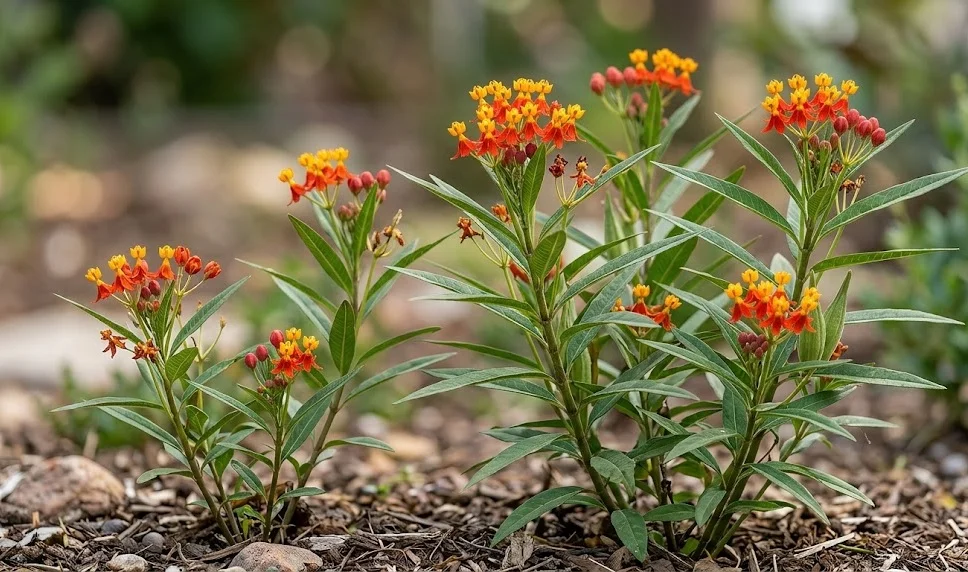
The color and size of the flowers are also directly influenced by the amount of light the plant receives during the budding phase. Plants in high-light environments produce more of the pigments that give the flowers their characteristic bright orange and yellow hues. If your flowers look pale or washed out, it might be a sign that the plant is not getting enough solar energy to produce these compounds. Professional results require professional-level environmental conditions, starting with the highest quality light.
Finally, remember that light and water are closely linked in the plant’s internal systems; more light usually means a higher demand for water. As the sun gets brighter and the days get longer, you should be prepared to increase your irrigation to keep up with the plant’s faster growth. This integrated view of plant care is what leads to the most spectacular and reliable results in the garden. Your dedication to understanding the light requirements of your tropical milkweed will be rewarded with a season of unparalleled beauty.