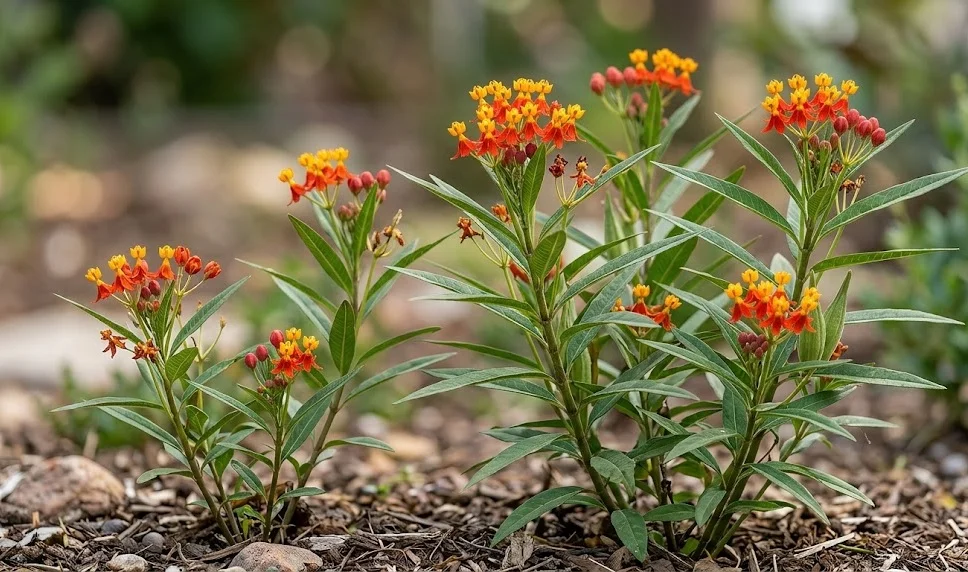

Wintering tropical milkweed is a critical process for gardeners who live in regions where temperatures drop below freezing for extended periods. Because this species is native to warmer climates, it lacks the natural defenses needed to survive a harsh winter without some form of assistance. Whether you choose to bring the plants indoors or provide extra protection in the garden, your goal is to ensure they survive the cold and return with vigor in the spring. A professional approach involves planning ahead and understanding the metabolic changes the plant undergoes during the dormant season. This guide will provide you with the best practices for protecting your plants and ensuring their long-term survival.
The decision of how to winter your plants depends largely on your local climate and the specific conditions in your garden. If you live in a region with only mild frosts, a thick layer of mulch and some burlap covering might be enough to see them through. However, in colder areas, the most reliable method is to move the plants into a protected environment where the temperature can be controlled. This proactive strategy prevents the root damage and stem death that can occur when the ground freezes solid.
Preparation for winter should begin long before the first frost is predicted to arrive in your area. You should start by gradually reducing the amount of water and fertilizer you provide to signal to the plant that it is time to rest. This hardening-off process makes the plant’s tissues more resilient and less prone to damage from sudden temperature changes. A professional gardener never waits for the last minute to begin their winter preparations, as timing is everything in plant survival.
Once the plants are in their winter location, your main objective is to maintain a stable environment that minimizes stress. The plants will need much less attention than they do during the summer, but they should not be completely forgotten either. Regular checks for moisture and potential indoor pests will ensure that they remain healthy until the weather warms up again. By following these professional steps, you can enjoy the beauty of your tropical milkweed year after year.
Moving plants indoors for the season
For many gardeners, moving their plants into a garage, basement, or sunroom is the safest way to ensure they survive the winter. If your plants are already in containers, this is a relatively simple task, but those in the ground will need to be carefully dug up and potted. You should prune the foliage back significantly to reduce the plant’s water needs and make it easier to manage in a smaller space. This heavy pruning also encourages the plant to enter a deeper state of dormancy, which is beneficial for its long-term health.
More articles on this topic
The location you choose should be cool but frost-free, ideally with temperatures remaining between forty and fifty-five degrees Fahrenheit. While the plants will not be actively growing, they still benefit from some light, so a spot near a window or under a simple grow light is ideal. If the environment is too warm, the plant might try to put out new growth that will be weak and spindly due to the low winter light. Keeping the temperature consistently cool is a key professional technique for successful indoor wintering.
Watering during the winter months should be done with extreme caution to avoid the risk of root rot. Because the plant’s metabolism has slowed down, it requires very little moisture to keep its roots alive and healthy. You should only water when the soil feels dry deep below the surface, and never allow the pot to sit in a tray of water. This period of “benign neglect” is often the hardest part for attentive gardeners, but it is exactly what the plant needs.
Indoor air can often become very dry due to heating systems, which can be stressful for a tropical species. You might consider placing a small humidifier nearby or misting the stems occasionally to keep the humidity levels from dropping too low. However, be careful not to over-saturate the area, as this can encourage the growth of indoor molds or fungi. Finding a professional balance between hydration and air quality is essential for maintaining the vitality of your dormant plants.
Managing dormancy and indoor pests
Dormancy is a natural and healthy part of the plant’s life cycle that allows it to conserve energy for the coming growing season. You should not be alarmed if the plant drops its remaining leaves or looks a bit “dead” during the middle of winter. As long as the main stem remains firm and the roots are not soggy, the plant is likely doing just fine in its resting state. Patience is a professional virtue during these quiet months when all the action is happening deep within the plant’s tissues.
More articles on this topic
Even indoors, you must stay vigilant for pests like spider mites or aphids that can thrive in the still, warm air of a home. These insects can be particularly damaging to a dormant plant that has fewer resources to defend itself with. Regularly inspecting the stems and any remaining foliage will allow you to catch any problems before they become a major issue. If you do find pests, a light treatment with insecticidal soap is usually more than enough to handle the situation.
Air circulation is just as important indoors as it is in the garden to prevent the buildup of stagnant air and moisture. If you have a group of plants wintering together, consider using a small fan to keep the air moving gently around them. This simple professional tip can dramatically reduce the risk of fungal problems and keep your plants looking fresh. A healthy environment is the best defense against any potential indoor health issues.
As the days begin to lengthen in late winter, you might notice the first tiny buds starting to swell on the stems. This is a sign that the plant is beginning to wake up and will soon be ready for its return to the outdoor world. You can gradually increase the amount of light and water at this stage to support the emergence from dormancy. This transition phase is an exciting time that marks the beginning of a new gardening year.
Re-acclimation and spring return
Moving the plants back outdoors is a process that must be done with great care to avoid shocking the new, tender growth. Just as you did with seedlings in the spring, you should gradually introduce the wintered plants to the outside environment. Start with a few hours in a shaded, protected spot and slowly increase the exposure to sun and wind over a week or two. This gradual re-acclimation is a professional way to ensure that your plants hit the ground running.
Once the plants are permanently back in the garden, you can begin to increase the frequency of watering and fertilization. The energy stored in the roots during the winter will fuel a rapid burst of growth that is truly impressive to watch. You might want to provide some light pruning to remove any tips that might have dried out or been damaged during the move. This “spring cleaning” helps the plant focus its energy on the most productive and healthy parts of its structure.
If you dug up your plants from the ground in the autumn, this is the time to replant them into their original spots or a new location. Make sure the soil is well-prepared and warm enough to support new root growth before you put them in. Using a bit of transplant fertilizer can help the roots re-establish themselves quickly and provide the nutrients needed for the new season. Your careful wintering efforts are about to pay off in a big way with a vibrant and healthy garden.
The first year of return after wintering is often when the plant reaches its maximum size and flowering potential. Because it already has a well-developed root system, it can grow much faster than a newly planted seedling or cutting. You will find that your wintered plants are often the stars of the garden, attracting pollinators and providing a beautiful focal point. This long-term success is the ultimate reward for your professional dedication to plant care.
Protecting plants in the ground
In areas where the winter is mild, you might choose to leave your tropical milkweed in the ground with some extra protection. The most important step is to apply a thick layer of organic mulch, such as straw or wood chips, around the base of the plant. This insulation helps keep the soil temperature stable and protects the roots from the occasional light freeze. A professional-grade mulch layer should be at least three to four inches deep for maximum effectiveness.
If a particularly cold night is predicted, you can cover the entire plant with a piece of frost cloth or an old blanket to trap some warmth. Be sure to remove the covering during the day once the temperature rises to allow the plant to breathe and receive light. You should avoid using plastic directly against the foliage, as it can trap moisture and cause the leaves to rot. This temporary protection can be the difference between a plant that survives and one that is lost to the cold.
Pruning the plant back to about six inches above the ground in late autumn can also help it survive the winter in the garden. This reduces the amount of tissue that needs to be maintained and prevents high winds from damaging the long, brittle stems. The remaining stems will serve as a marker for where the plant is located and provide some protection for the crown. Many professionals prefer this method for its simplicity and the strong regrowth it produces in the spring.
Finally, keep in mind that even with the best protection, there is always a small risk when leaving a tropical species outdoors in a cold climate. It is always a good idea to have a few seeds or cuttings as a backup just in case a particularly harsh winter takes its toll. This proactive planning is a hallmark of a professional approach to gardening in challenging conditions. Your passion for your plants will ensure that your garden remains a beautiful and diverse space, regardless of the weather.