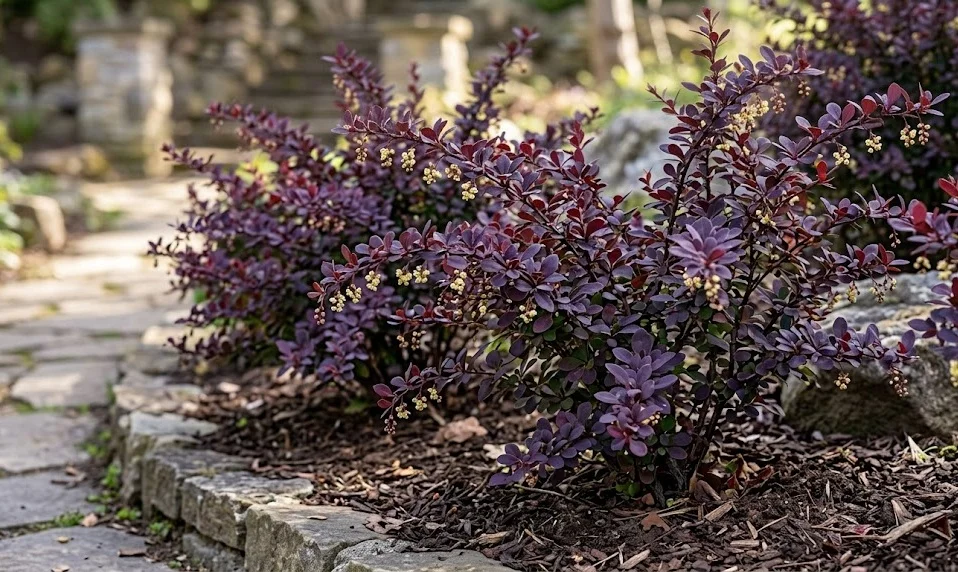

Preparing the Japanese barberry for the winter months is a critical task that ensures the shrub survives the coldest temperatures without significant damage. While this species is naturally cold-hardy, certain conditions like extreme wind or fluctuating temperatures can still pose a threat to its structural integrity. A professional overwintering strategy involves both physical protection and careful management of the plant’s hydration levels before the ground freezes. By taking these steps, gardeners can ensure a successful transition into the dormant season and a vigorous return in the spring.
Autumn preparation begins with a thorough cleaning of the area surrounding the shrub to remove potential hiding spots for pests. We should stop applying nitrogen-heavy fertilizers by late summer to prevent the growth of tender shoots that would be killed by the first frost. This allows the existing wood to properly harden off and enter a state of deep dormancy that is necessary for winter survival. Checking the structural stability of the plant is also wise, as weak branches are more likely to break under the weight of heavy snow.
Winter hardiness is one of the strengths of the Japanese barberry, but young plants or those in exposed locations may still require extra attention. A thick layer of organic mulch applied in late autumn helps insulate the root system against the cycle of freezing and thawing. This cycle, known as frost heaving, can sometimes push the roots out of the ground, exposing them to the drying effects of the cold air. We must ensure the mulch is at least three to four inches deep to provide an effective thermal barrier for the subterranean parts of the plant.
Protection for young plants or newly propagated specimens often involves the use of burlap wraps or temporary windbreaks. These barriers shield the delicate branches from the desiccating effects of winter winds, which can pull moisture out of the plant even when it is dormant. We should avoid using plastic wraps directly against the foliage, as this can trap moisture and lead to rot or fungal issues during brief warming periods. Providing this extra layer of security for the first two winters helps the plant build the resilience it needs for its adult life.
Managing winter stressors and spring emergence
Managing snow and ice accumulation is another important aspect of professional winter care for any ornamental shrub. While a light dusting of snow can act as an additional insulator, heavy or wet snow should be gently brushed off the branches to prevent breakage. We should never use salt or chemical de-icers near the planting area, as the runoff can severely damage the soil chemistry and the plant’s roots. If the shrub is located near a walkway, using sand or organic grit is a much safer alternative for maintaining traction during the winter.
More articles on this topic
Dormancy does not mean the plant’s needs disappear entirely, especially regarding moisture levels in the soil. If the winter is particularly dry and the ground has not yet frozen solid, a light watering on a warmer day can prevent desiccation of the root system. This is especially important for evergreens, but even deciduous shrubs like the Japanese barberry can benefit from having some moisture available in the soil. We must monitor the weather forecasts and only provide water when there is no immediate risk of it freezing around the root collar.
As the days begin to lengthen and temperatures rise, the focus shifts toward the transition out of the winter dormancy period. We should wait until the danger of hard frost has passed before removing any protective wraps or windbreaks from around the plants. This prevents the tender new buds from being scorched by a sudden return of freezing temperatures in early spring. Gradually exposing the plant to the changing conditions allows it to wake up at a natural pace and begin its new growth cycle with vigor.
Post-winter care involves a thorough inspection of the shrub to identify any branches that may have been damaged by snow or cold. We should prune away any dead or brittle wood to make room for the new growth that will soon emerge from the buds. This is also the perfect time to refresh the mulch layer and apply a balanced fertilizer to support the upcoming spring flush of foliage. By following these professional steps, the Japanese barberry will continue to be a resilient and beautiful highlight of the garden for many years to come.