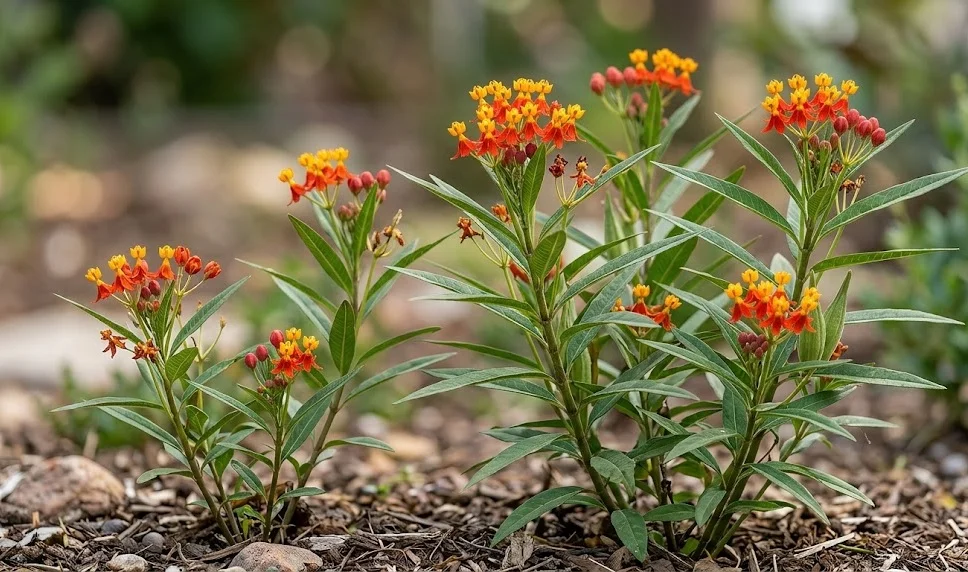

Watering and fertilizing tropical milkweed are the two most dynamic aspects of its care, requiring a balance between providing enough resources and avoiding overindulgence. Because this plant grows so rapidly and produces such a high volume of flowers, its demand for water and nutrients can be quite significant. However, applying these elements without a clear strategy can lead to more harm than good, affecting the plant’s overall health and longevity. Professional management focuses on understanding the specific needs of the plant at different stages of its development and responding accordingly with precision. In this article, we will explore the best practices for maintaining the perfect hydration and nutrient levels for your garden.
Water is the lifeblood of the plant, facilitating the transport of nutrients from the soil to the leaves and flowers. During the peak of the summer heat, the plant can lose a surprising amount of moisture through its foliage, making regular irrigation essential. You should aim to keep the soil consistently moist but never saturated, as stagnant water can lead to root rot. Observing the plant’s leaves in the afternoon will tell you if it is getting enough water; if they look slightly wilted, it’s time for a deep drink.
Fertilization provides the chemical building blocks necessary for the plant to create new tissues and sustain its impressive flowering display. While the plant is not an extremely heavy feeder compared to some exotic ornamentals, it does benefit from a regular supply of balanced nutrients. Over-fertilizing can lead to lush, green growth that is attractive to pests but lacks the structural strength to support the heavy blooms. A professional gardener uses fertilizers to supplement the natural fertility of the soil rather than replacing it entirely.
The timing of your applications is just as important as the materials you use to support the plant. Watering in the early morning is highly recommended as it allows the foliage to dry before the evening, reducing the risk of fungal infections. Similarly, applying fertilizer during periods of active growth ensures that the plant can immediately use the nutrients you are providing. By coordinating these two activities, you create a synergy that promotes maximum vitality and a spectacular display of color in your landscape.
Effective irrigation strategies for health
Developing a consistent watering schedule is the first step toward ensuring the health and vigor of your tropical milkweed. In most climates, a deep watering once or twice a week is more effective than frequent shallow sprinkles that don’t reach the roots. You want to encourage the roots to grow deep into the soil where they are protected from the drying effects of the sun and wind. This deeper root system makes the plant much more resilient during short periods of drought or extreme heat.
More articles on this topic
The method of delivery you choose can have a significant impact on the efficiency of your irrigation and the health of the plant. Using a soaker hose or a drip system is the most professional way to deliver water directly to the soil surface without wetting the leaves. Keeping the foliage dry is a key strategy for preventing common diseases like powdery mildew and leaf spot. If you must use a traditional hose, try to aim the stream at the base of the plant and avoid splashing soil onto the lower leaves.
Environmental factors like wind, temperature, and humidity should all play a role in determining how much water you provide on a given day. On hot, windy days, the soil will dry out much faster than on a cool, overcast afternoon, requiring more frequent checks. Mulching the area around the plants is an excellent professional technique for reducing evaporation and keeping the root zone cool. A well-mulched garden bed can reduce your watering needs by up to fifty percent while also improving the soil structure over time.
Learning to read the signs of water stress will help you intervene before the plant suffers any permanent damage. Beyond simple wilting, a lack of water can cause the plant to drop its lower leaves or produce smaller, less vibrant flowers. Conversely, yellowing leaves and a soft, mushy stem can be indicators that the plant is receiving too much water and the roots are struggling for air. Finding that “goldilocks” zone of perfect moisture is one of the most important skills a professional gardener can develop.
Nutrient management and soil fertility
A professional approach to fertilization begins with understanding what is already present in your garden soil through regular testing. Knowing the levels of nitrogen, phosphorus, and potassium allows you to select a fertilizer that fills the specific gaps in your soil’s profile. This targeted approach prevents the buildup of excess minerals that can be harmful to the environment and the plant itself. It is always better to provide exactly what the plant needs rather than guessing and potentially causing a nutrient imbalance.
More articles on this topic
Nitrogen is primarily responsible for the lush, green foliage that serves as the backdrop for the beautiful flowers. If your plant looks pale or is growing very slowly, a light application of a nitrogen-rich fertilizer might be just what it needs to regain its vigor. However, be careful not to overdo it, as too much nitrogen can actually inhibit flower production in favor of more leaves. The goal is to support a balanced growth habit that includes both healthy stems and a profusion of bright blooms.
Phosphorus and potassium are the key elements for supporting strong root development and high-quality flower production. These nutrients help the plant manage its internal water use and increase its overall resistance to environmental stress and disease. Using a balanced, slow-release fertilizer at the beginning of the season provides a steady supply of these essential minerals over several months. This method is often preferred by professionals because it reduces the risk of nutrient leaching and provides more consistent results.
Organic fertilizers, such as composted manure or seaweed extracts, offer a great way to feed the plant while also improving the long-term health of the soil. These materials break down slowly, releasing nutrients in a form that is easily absorbed by the roots and supporting beneficial soil microbes. Incorporating organic matter into your fertilizing routine helps create a living soil that can sustain your garden with less reliance on synthetic products. This holistic philosophy is a cornerstone of professional and sustainable gardening practices.
Seasonal adjustments to resource delivery
As the plant moves through its different life stages throughout the year, its demand for water and nutrients will change accordingly. In the spring, when the plant is just starting to wake up, you should start with light watering and a balanced fertilizer to kickstart the growth. This is the time to build the structural foundation that will support the heavy flowers and foliage later in the season. Being attentive during this early phase ensures that the plant has everything it needs to reach its full potential.
During the height of summer, the focus shifts to maintaining hydration and supporting the intense flowering process that defines this species. You may need to increase the frequency of your watering while continuing with light, regular feedings to keep the energy levels high. If the plant is supporting a large number of pollinator larvae, it might need even more resources to recover from the loss of foliage. This period of peak activity is when the plant is most demanding, but also when it is most rewarding to observe.
As autumn approaches and the days begin to shorten, you should gradually reduce both watering and fertilization to signal to the plant that it is time to slow down. High levels of nutrients in the late season can encourage new growth that is too tender to survive the coming winter temperatures. Allowing the plant to naturally transition into its dormant or semi-dormant state is essential for its long-term health and survival. This reduction in resources is a professional way to help the plant prepare for the challenges of the cold season.
In regions where the plant can survive the winter outdoors, you should almost entirely stop fertilizing and only water during extended dry spells when the ground is not frozen. The plant’s metabolism slows down significantly during the winter, and it does not need much help to survive until the spring. By matching your care to the natural rhythms of the seasons, you ensure a healthy and sustainable cycle for your garden. This professional awareness of the environment leads to more consistent and reliable results every year.
Avoiding common pitfalls in nutrition
One of the most common mistakes made by enthusiastic gardeners is the belief that more fertilizer always leads to better results. In reality, over-fertilizing can lead to a salt buildup in the soil that actually prevents the roots from taking up the water they need. This can cause the edges of the leaves to turn brown and crispy, a condition known as fertilizer burn. Always follow the manufacturer’s instructions on the label and err on the side of caution when applying any concentrated nutrient product.
Another pitfall to avoid is fertilizing a plant that is already under stress from drought or extreme heat. When a plant is struggling to stay hydrated, adding fertilizer can place even more stress on its system and potentially cause serious damage. It is always best to water the plant thoroughly a day or two before applying any fertilizer to ensure it is in the best possible condition to absorb the nutrients. A professional gardener always prioritizes the basic needs of the plant before trying to push for extra growth.
Consistency is key when it comes to both watering and fertilizing to avoid the “roller coaster” effect of extreme highs and lows. Sudden changes in the availability of water or nutrients can cause the plant to drop its flowers or develop irregular growth patterns. Setting a regular schedule for these tasks helps you stay on track and provides the plant with the stable environment it needs to thrive. Using a simple calendar or a gardening app can be a great way to manage these professional responsibilities.
Finally, always be aware of the impact your gardening practices have on the wider environment and the wildlife in your yard. Runoff from excess fertilizer can find its way into local waterways and cause issues like algae blooms and water pollution. Using organic materials and applying them correctly ensures that the benefits of your gardening stay in your yard where they belong. Being a professional gardener means taking responsibility for the entire ecosystem that you are a part of.
Summary of hydration and nutrition
In summary, a professional approach to watering and fertilizing involves a deep understanding of the plant’s needs and a commitment to precision. By focusing on deep irrigation and balanced nutrition, you provide the foundation for a spectacular and healthy display. The seasonal adjustments you make will help the plant navigate the challenges of the year and return with even more vigor next spring. Remember that your goal is to support the plant’s natural beauty rather than forcing it into an unnatural state of growth.
The results of your careful management will be evident in the vibrant colors of the flowers and the abundance of life in your garden. A well-fed and perfectly hydrated plant is a joy to behold and a valuable asset to your local pollinator population. Each season provides new opportunities to refine your techniques and learn more about the unique characteristics of this species. Gardening is a continuous process of observation and adjustment that leads to true expertise over time.
By avoiding common mistakes and focusing on sustainable practices, you ensure that your garden remains a healthy and beautiful space for years to come. Your dedication to professional standards in watering and fertilizing is the key to unlocking the full potential of your tropical milkweed. Take pride in the healthy plants you produce and the positive impact you have on the environment around you. The beauty of the garden is a direct reflection of the care and professionalism you bring to your work.
Sharing your success with others can inspire more people to take an interest in horticulture and environmental stewardship. A healthy garden is a great conversation starter and a powerful way to connect with your community. Whether you are a seasoned professional or a passionate amateur, the principles of good watering and fertilizing are the same. Your plants will thank you with a season of unparalleled beauty and vitality.