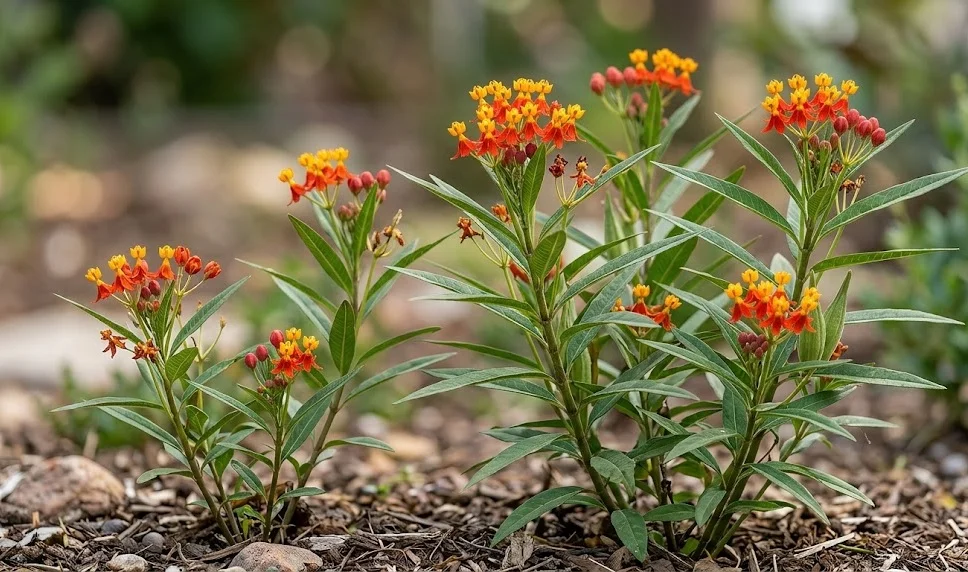

Caring for tropical milkweed requires a deep understanding of its natural habitat and growth cycles to ensure a healthy garden environment. This vibrant plant is not just a visual delight but also a crucial resource for various pollinating insects throughout the season. Many gardeners choose this species because it adapts well to diverse climates provided its basic needs are met with consistency. You will find that observing the plant’s response to your local conditions is the best way to master its long-term maintenance.
The general environment where you place the plant determines its overall vitality and resistance to environmental stressors. It thrives in locations that mimic its native tropical regions, specifically where the air is warm and the soil is rich. Understanding the microclimate of your garden will help you position the plant for maximum growth and flower production. Consistent care during the early stages of development ensures that the plant establishes a robust root system for the coming years.
Soil quality is a fundamental aspect of care that often gets overlooked by beginning enthusiasts and home gardeners. The plant prefers a loamy texture that allows for excellent aeration while still holding enough nutrients to support its rapid growth. You should avoid heavy clay soils that restrict oxygen flow to the roots and lead to stunted development. Incorporating organic matter into the planting area will create the ideal foundation for the plant to flourish throughout the summer.
Regular monitoring for physical changes in the foliage can alert you to potential issues before they become serious problems. Healthy leaves should maintain a deep green color and a firm texture without any signs of yellowing or wilting. If you notice any significant changes in the appearance of the stems, it might be time to adjust your care routine. Keeping a gardening journal can be an effective way to track these patterns and improve your success rate over time.
Creating the ideal growth environment
Establishing a stable environment is the first step toward a successful cultivation journey with this specific species. The temperature should remain consistently warm, as this plant is highly sensitive to sudden cold snaps and frosty mornings. Selecting a sheltered spot in the garden can protect the delicate branches from high winds that might cause physical damage. A stable environment allows the plant to focus its energy on producing the nectar-rich flowers that attract beneficial wildlife.
More articles on this topic
Proper spacing between individual plants is necessary to ensure adequate air circulation and prevent the spread of localized diseases. When plants are crowded too closely together, humidity can build up around the leaves and create a breeding ground for fungi. You should aim for a distance that allows each plant to reach its full width without competing for light or space. This proactive approach to garden design will result in a more aesthetically pleasing and healthier landscape.
The choice of containers or garden beds depends largely on your local climate and how much control you want over the soil. Pots provide the flexibility to move the plant around to follow the sun or to protect it from harsh weather conditions. However, planting directly in the ground often allows for a more expansive root system and better access to natural groundwater. Consider your long-term goals for the garden before deciding which method best suits your lifestyle and available resources.
Maintaining a clean area around the base of the plant is a simple yet effective way to promote overall health. Removing fallen leaves and spent flowers prevents the accumulation of organic debris that might harbor unwanted insects or pathogens. This practice also makes it easier to inspect the lower stem and soil surface for any signs of trouble. A tidy garden is often a healthy garden, and this plant responds very well to such attentive management.
Seasonal transitions and plant health
As the seasons change, the requirements of the plant will naturally shift to accommodate different stages of its life cycle. During the height of the growing season, you will notice a rapid increase in biomass and flower production that requires more attention. Once the weather begins to cool in late autumn, the plant will start to slow down and prepare for a period of rest. Recognizing these transitions allows you to adjust your maintenance schedule to match the plant’s biological clock.
More articles on this topic
Summer care is primarily focused on supporting the heavy flowering phase and ensuring the plant does not dry out. High temperatures increase the rate of transpiration, which means the plant loses water through its leaves more quickly than usual. You may need to provide some light afternoon shade if the heat becomes too intense for several days in a row. This extra protection can prevent the foliage from scorching and keep the flowers looking fresh for a longer period.
Autumn signals a time to reduce the intensity of your care and let the plant transition naturally into a slower state. You should stop any heavy applications of nutrients that might encourage new, tender growth that cannot survive a frost. Instead, focus on cleaning up the surrounding soil and preparing the plant for the upcoming temperature drops. This period of hardening off is essential for the longevity of the species in regions with distinct seasonal changes.
Spring is the most exciting time for any gardener as the first signs of new growth begin to emerge from the soil. You should clear away any winter protection and gently loosen the top layer of soil to encourage aeration. As the days grow longer and warmer, you will see the plant quickly regaining its former strength and size. This is the perfect moment to start a new cycle of professional care and enjoy the beauty of the garden once again.
Supporting the local ecosystem
One of the most rewarding aspects of growing this plant is the positive impact it has on the local pollinator population. The flowers produce a high volume of nectar that serves as a vital food source for many species of butterflies and bees. By including this plant in your garden, you are contributing to the preservation of biodiversity in your immediate neighborhood. Watching the various insects visit the blooms provides a unique opportunity to connect with nature on a daily basis.
It is important to remember that this plant is a primary food source for certain butterfly larvae, which may result in some leaf damage. While this might initially concern a gardener looking for perfect foliage, it is actually a sign of a healthy ecosystem. The plant is remarkably resilient and can easily recover from the feeding activity of these caterpillars without any long-term harm. Embracing this natural process is part of the professional approach to sustainable and ecological gardening.
Integrating other companion plants around the milkweed can enhance the visual appeal of the garden while also providing additional benefits. Selecting species that bloom at different times ensures that there is always something to attract beneficial insects to your yard. This diversity also makes it harder for specialized pests to take over a large area of your garden all at once. A well-planned garden design balances aesthetics with functional ecological support for a truly professional result.
Avoiding the use of harsh chemicals is crucial if your goal is to support wildlife and maintain a healthy plant. Pesticides can have unintended negative effects on the very pollinators you are trying to attract and protect. Instead, focus on natural methods of pest control and promoting a balanced environment where predators can manage pest populations. This holistic philosophy leads to a more sustainable garden that thrives with minimal intervention from the owner.
Long-term plant management strategies
Developing a long-term strategy for your garden will help you maintain the health of your plants for many years to come. This involves more than just daily watering; it requires a deep commitment to understanding the specific needs of the species. Regularly assessing the soil structure and nutrient levels will provide the data you need to make informed decisions. A professional gardener always looks ahead to the next season while managing the challenges of the current one.
Rotation and revitalization of the soil can prevent the buildup of specific pathogens and maintain a high level of fertility. Every few years, you might consider moving your plants to a new location or deeply amending the existing bed. This practice encourages the development of a more diverse soil microbiome, which is essential for healthy root systems. Investing time in the foundation of your garden will pay off in the form of more vibrant and resilient plants.
Sharing your knowledge and experiences with other enthusiasts can be a great way to improve your own gardening skills. Participating in local community groups or online forums allows you to learn from the successes and failures of others. You might find that a specific technique used by a neighbor works wonders in your own unique microclimate. Gardening is a continuous learning process, and staying open to new ideas is a hallmark of a professional approach.
Finally, always prioritize the health of the entire garden system rather than focusing on a single individual plant. When the surrounding environment is healthy, every species within it has a better chance of reaching its full potential. This plant is a fantastic addition to any collection, but it performs best as part of a well-managed and diverse ecosystem. Your dedication to professional standards will ensure that your garden remains a source of pride and beauty for a long time.
Advanced techniques for plant vitality
Applying advanced techniques can take your gardening results to a professional level and ensure the best possible performance from your plants. For instance, using specialized soil testing kits can reveal exactly which trace elements might be missing from your garden beds. Knowing the precise pH levels allows you to make minute adjustments that can significantly impact the color and size of the blooms. These small details often make the difference between a good garden and a truly spectacular one.
Water management systems, such as drip irrigation, can provide a more consistent and efficient way to hydrate your plants. These systems deliver water directly to the root zone, reducing evaporation and minimizing the risk of foliage diseases. Setting a timer ensures that the plants receive the correct amount of moisture even when you are busy or away from home. Efficiency in water use is not only better for the plant but also more responsible from an environmental perspective.
Implementing a structured mulch program is another professional technique that offers multiple benefits for the soil and the plant. A thick layer of bark or straw protects the soil from the direct heat of the sun and prevents erosion during heavy rains. Over time, the mulch breaks down and adds valuable organic matter back into the earth, improving its texture. This cycle of replenishment is a key component of high-level garden maintenance and long-term success.
Observing the interaction between the plant and the local climate can lead to more customized care routines. You might notice that certain parts of your garden stay warmer or wetter than others, requiring different management styles. Adapting your techniques to these subtle variations shows a high level of expertise and attention to detail. Professional gardening is about responding to the living world around you with precision and care.
Conclusion and final thoughts on care
In conclusion, maintaining this species is a rewarding endeavor that requires a blend of technical knowledge and practical observation. By focusing on the fundamental needs of the plant, such as soil quality and light, you create a strong foundation for growth. The seasonal adjustments you make will ensure that the plant remains healthy and vibrant throughout its entire life cycle. Remember that patience is often the most important tool in a gardener’s shed when dealing with living organisms.
Your commitment to professional standards will not only benefit your own garden but also the wider environment around you. The role you play in supporting pollinators is a significant contribution to local ecology and biodiversity conservation. Each flower that blooms in your yard is a testament to the care and attention you have invested in your plants. Gardening is a journey of discovery, and each season brings new opportunities to refine your skills and knowledge.
As you become more familiar with the unique characteristics of this plant, you will find it easier to anticipate its needs. This proactive approach reduces the stress on the plant and allows it to reach its maximum potential in terms of size and beauty. Do not be afraid to experiment with different techniques to find what works best in your specific geographic location. Every garden is unique, and your personalized touch is what makes it truly special.
Take the time to enjoy the fruits of your labor and the peaceful environment you have created for yourself and the wildlife. The vibrant colors and bustling activity in a well-managed garden are a source of constant inspiration and relaxation. By following these professional guidelines, you ensure that your gardening experience is both successful and fulfilling for years to come. Your passion for horticulture shines through in every healthy leaf and beautiful bloom you produce.