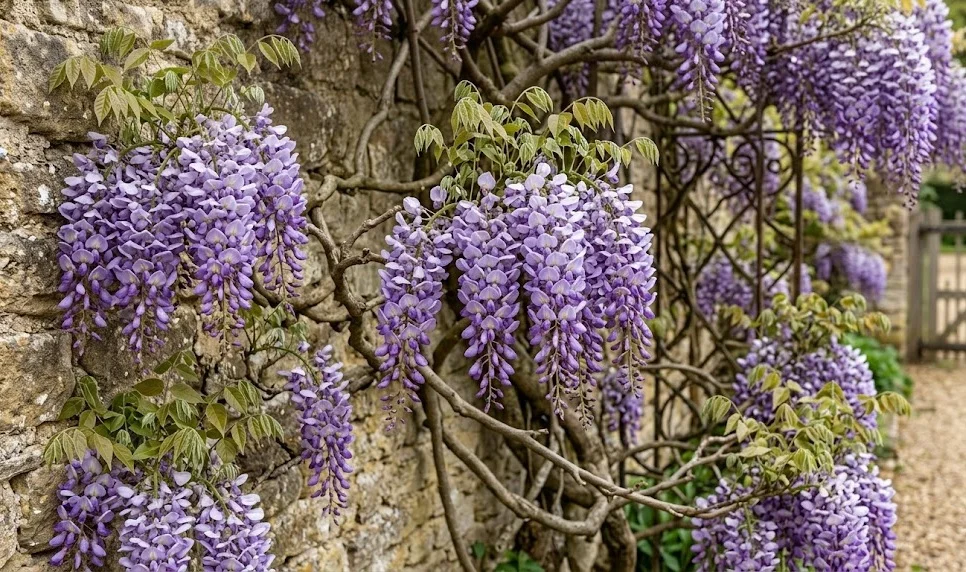

Mastering the art of pruning is the most essential skill for any gardener who wishes to keep this vigorous climber under control and maximize its flowering potential. Without a disciplined and systematic approach to cutting back the massive amount of new growth produced each season, the vine can quickly become a tangled and unproductive mess. Professional pruning focuses on creating a strong structural framework and encouraging the development of short flowering spurs along the main branches. This process, while seemingly intensive, is the key to transforming a wild plant into a breathtaking architectural feature.
The standard recommendation for pruning is a two-stage process that occurs once in the height of summer and again during the dormant winter months. This cycle aligns with the plant’s growth habits and ensures that its energy is redirected from vegetative expansion into reproductive success. Summer pruning involves cutting back the long, whippy green shoots of the current season to about five or six leaves from the main stem. This task, typically performed in July or August, opens up the canopy to more light and air and starts the process of flower bud formation.
Winter pruning, performed between January and February, is a more structural task that prepares the vine for its spring display. During this phase, the same shoots that were shortened in the summer are further cut back to just two or three buds from the established woody branches. These short, stubby branches are the “spurs” where the spectacular pendulous flower clusters will emerge in a few months. Removing any dead, damaged, or diseased wood is also a priority during the winter, ensuring the plant remains healthy and safe as it wakes up.
The choice of tools for pruning is just as important as the technique itself, as clean and precise cuts are necessary for the plant’s health. High-quality bypass pruners are ideal for the smaller green shoots, while a sturdy pruning saw may be needed for older woody branches. All tools should be kept sharp and sterilized between uses to prevent the spread of pathogens across the garden. For very large vines, a stable ladder and a pair of long-handled loppers are essential pieces of equipment to ensure the gardener can reach the entire canopy safely.
Training the vine during the pruning process allows the gardener to define the shape and direction of the plant’s growth over many years. By selecting a few strong “leader” branches and removing the rest, you can create a structured look that complements the surrounding architecture. Horizontal training is particularly effective because it naturally slows the movement of sap and encourages the formation of more flowering spurs than vertical growth. Consistency is the hallmark of a well-maintained vine, and the rewards for this effort are visible every spring.
More articles on this topic
Identifying and developing flowering spurs
Flowering spurs are the short, stubby side branches that carry the potential for the spectacular floral display everyone desires. Recognizing the difference between these reproductive spurs and the long, thin vegetative shoots is a fundamental skill for any wisteria enthusiast. Spurs typically have a thicker, more gnarled appearance and are covered in plump buds that will eventually open into leaves and flowers. By focusing the pruning efforts on maintaining and renewing these spurs, the gardener ensures a dense and reliable crop of blooms year after year.
The development of new spurs is a multi-year process that begins with the shortening of a vigorous lateral shoot during the summer pruning session. By cutting the shoot back, you signal to the plant to stop extending that branch and instead focus on thickening the base. Over the following seasons, repeated winter and summer pruning will cause the spur to become more established and productive. If a spur becomes too old or unproductive, it can be pruned out entirely to allow a new, more vigorous shoot to take its place.
Managing the spacing of the spurs along the main structural branches ensures that the flowers have enough room to hang freely and be seen. If the spurs are too crowded, the flower clusters can become tangled and the lack of airflow can increase the risk of fungal infections. Ideally, spurs should be spaced about six to twelve inches apart along the length of the horizontal leaders. This organized arrangement creates a clean and professional look that highlights the architectural beauty of both the plant and its support system.
In some cases, a vine may produce a massive amount of foliage but very few spurs, a condition often caused by excessive nitrogen or a lack of sunlight. Correcting this balance requires a combination of soil management and aggressive pruning to stress the plant into a more reproductive state. Removing some of the leafy canopy to allow more light to reach the inner branches can stimulate the formation of new flower buds. Patience is often required, as it may take a few seasons of consistent pruning to transform a shy bloomer into a floral masterpiece.
More articles on this topic
Rejuvenation and hard pruning of old vines
Older specimens that have been neglected for many years often require a more drastic approach known as renovation or rejuvenation pruning. These plants frequently have a massive amount of dead wood and a tangled mess of branches that block light from reaching the interior. Renovation pruning involves removing large sections of the old, woody structure over a period of two or three years to avoid shocking the plant. The goal is to encourage the growth of vigorous new shoots from the base or the main trunk that can be trained into a new, more manageable framework.
The best time for this kind of intensive work is late winter when the plant is fully dormant and its structure is clearly visible without the distraction of leaves. When removing large branches, it is important to make the cuts just outside the branch collar to allow for proper healing and to prevent rot. If the vine is grafted, be extremely careful not to prune below the graft union, as this will result in the growth of the less desirable rootstock. Any vigorous new shoots that emerge after a hard pruning should be selected and trained carefully to form the new skeleton of the plant.
After a major rejuvenation, the plant may take a year or two to return to its full flowering potential as it focuses its energy on vegetative recovery. Providing supplemental water and a balanced fertilizer can help support the plant during this intensive transition period. It is also a good time to inspect and reinforce the support system, which may have been stressed by the weight of the old, unmanaged vine. Once the new structure is established, the standard two-stage pruning routine can be resumed to maintain the plant’s health and beauty.
Pruning a massive climber can be a daunting task, but it is also a rewarding opportunity to connect with the plant and shape its future. Each cut is a decision that influences how the vine will interact with the light and the landscape for years to come. Whether you are performing a routine summer trim or a major structural overhaul, the principles of cleanliness, precision, and timing remain the same. With a thoughtful and disciplined approach, anyone can master the art of pruning and enjoy the breathtaking rewards of a well-cared-for vine.