
Preparing a mature climbing vine for the cold months is a vital task that ensures its survival and protects the next season’s flowering potential. While these woody perennials are generally hardy, extreme winter conditions can cause damage to the tender buds and the vascular system of younger specimens. A professional approach to wintering involves a series of steps designed to insulate the root zone and harden off the current season’s growth. Understanding the transition into dormancy allows the gardener to provide the necessary support for the plant during its period of rest.
The process of preparing for winter begins long before the first frost arrives, primarily through the management of water and nutrients. In late summer and early autumn, it is important to stop applying high-nitrogen fertilizers that would otherwise stimulate soft, succulent new growth. This type of growth is highly susceptible to frost damage and can provide an entry point for diseases during the damp winter months. Gradually reducing the frequency of watering as the temperatures drop also signals to the plant that it is time to enter its dormant state.
Cleaning up the area around the base of the vine is an essential sanitation task that should be completed before the snow falls or the ground freezes. Removing fallen leaves and spent plant material eliminates the overwintering sites for fungal spores and insect pests that could plague the vine in the spring. This debris should be disposed of away from the garden, especially if the plant showed signs of disease during the previous growing season. A clean environment reduces the biological pressure on the plant while it is in its most vulnerable state.
Providing a fresh layer of organic mulch after the first few light frosts helps to insulate the root system against extreme temperature fluctuations. This protective barrier keeps the soil temperature more consistent, preventing the damaging cycle of freezing and thawing that can heave young plants out of the ground. Use a thick layer of wood chips, straw, or shredded leaves, ensuring that the mulch does not directly touch the main trunk to avoid moisture-related rot. This thermal blanket is particularly important for vines growing in colder northern climates or in exposed, windy locations.
Monitoring the vine throughout the winter months allows the gardener to identify and address any physical damage caused by heavy snow or ice. The weight of accumulated snow can bend or break even thick woody branches, potentially damaging the overall structure of the plant. Gently brushing off heavy snow from accessible parts of the vine can prevent structural failure and maintain the integrity of the support system. If a branch does break, it should be pruned back to clean wood as soon as the weather permits to prevent further tearing of the bark.
More articles on this topic
Root protection and insulation techniques
The root system is the heart of the vine and requires special attention to ensure it survives the harshest winter weather. In areas where the ground freezes deeply, the roots can become dehydrated if they are unable to take up moisture from the frozen soil. Deeply watering the plant one last time before the ground freezes solid ensures that the tissues are fully hydrated going into the dormant period. This moisture acts as a buffer and helps the plant withstand the drying effects of cold winter winds.
For younger or newly transplanted vines, additional protection in the form of a soil mound or a temporary enclosure can be beneficial. Piling extra soil or mulch around the base of the stem provides an extra layer of insulation for the critical graft union or the crown of the plant. Some gardeners also use burlap wraps or specialized plant covers to protect the lower portions of the trunk from sunscald and rodent damage. These measures are often temporary and should be removed in early spring to allow the plant to breathe and begin its new growth.
Container-grown specimens are much more vulnerable to winter cold because their roots are not insulated by the mass of the earth. In many cases, these plants should be moved to a sheltered, unheated location such as a garage or a garden shed for the duration of the winter. If the containers must remain outside, they should be wrapped in bubble wrap or burlap and grouped together to minimize heat loss. It is also a good idea to elevate the pots on bricks to prevent them from sitting in freezing water or becoming bonded to the ground.
Maintaining the integrity of the mulch layer throughout the winter is a simple but effective way to ensure consistent root protection. Heavy rains or strong winds can sometimes displace the mulch, leaving the soil surface exposed to the elements. Periodically checking the depth of the mulch and adding more material as needed keeps the insulation effective until the spring thaw arrives. This small effort pays off in the health and vigor of the vine when it wakes up from its winter slumber.
More articles on this topic
Managing young plant vulnerability
Young vines lack the thick, insulating bark of mature specimens and are therefore much more susceptible to the damaging effects of extreme cold. The soft wood of a first or second-year plant can be easily killed back to the ground if temperatures drop significantly below freezing for an extended period. Protecting these young plants with a physical barrier, such as a wire cage filled with dry leaves, can provide a microclimate that is several degrees warmer than the surrounding air. This technique, known as “clinching,” is a reliable way to get a sensitive plant through its first few winters.
Sunscald is another winter threat that specifically affects the young bark of woody vines on bright, sunny days. The warmth of the sun can cause the plant’s tissues to wake up prematurely, only to be frozen again when the temperature drops at night. This rapid transition causes the bark to crack and peel, creating long-term structural issues and entry points for pathogens. Wrapping the lower trunk in white tree wrap or applying a light-colored wash can reflect the sunlight and keep the bark at a more consistent temperature.
Rodents and other small animals can also pose a threat to young vines during the winter when other food sources are scarce. Mice, voles, and rabbits may gnaw on the tender bark at the base of the plant, potentially girdling and killing the vine. Installing a fine-mesh wire guard around the trunk is an effective way to prevent this type of damage while still allowing air and moisture to reach the plant. The guard should be buried a few inches into the soil to prevent burrowing animals from getting underneath it.
Regular inspections during the winter are especially important for young plants to ensure that their protective measures remain in place. High winds can blow away covers, and heavy snow can collapse temporary structures or pull young stems away from their supports. Re-securing ties and adjusting covers as needed ensures that the young vine remains protected throughout the entire cold season. This extra attention during the early years of the plant’s life is an investment in its long-term success and beauty.
Transitioning to spring and post winter recovery
As the days grow longer and the soil begins to warm, the vine will gradually wake up from its dormant state and begin its new growing season. This transition period is a critical time for the gardener to assess the health of the plant and remove any winter damage. Pruning away dead or frost-bitten tips encourages the plant to focus its energy on the healthy buds that will produce the season’s leaves and flowers. It is best to wait until the buds have begun to swell before doing this, as it makes it easier to distinguish between living and dead wood.
Removing the winter mulch and any protective wraps should be done gradually as the threat of extreme frost passes. If the base of the plant was mounded with soil, this should be leveled out to prevent moisture from being trapped against the trunk as the weather warms. This is also a good time to inspect the support system one last time and ensure that all ties are secure but not too tight. A fresh application of compost can be integrated into the soil at this stage to provide a gentle nutrient boost for the coming growth.
Monitoring the moisture level in the soil is important during the spring transition, as the emerging leaves and flowers have a high demand for water. If the spring is unusually dry, supplemental irrigation may be necessary to support the rapid development of the vine. However, be careful not to over-water if the soil is still cold and heavy from winter rains, as this can still lead to root issues. Finding the right balance of moisture and warmth is the key to a successful start to the growing season.
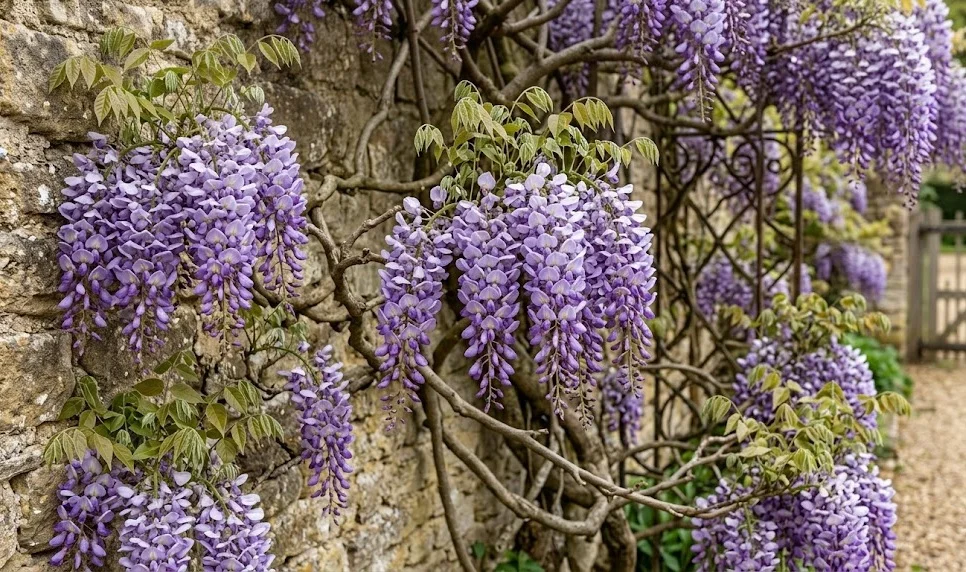
Finally, the appearance of the first flower buds is the ultimate sign that the vine has successfully weathered the winter and is ready to perform. These buds are still susceptible to late spring frosts, so keeping some horticultural fleece on hand for emergency coverage is a wise precaution. The spectacular display of pendulous blooms is a testament to the care and protection provided during the cold months. With the winter behind it, the vine can now focus all its energy on its most iconic and beautiful contribution to the garden.