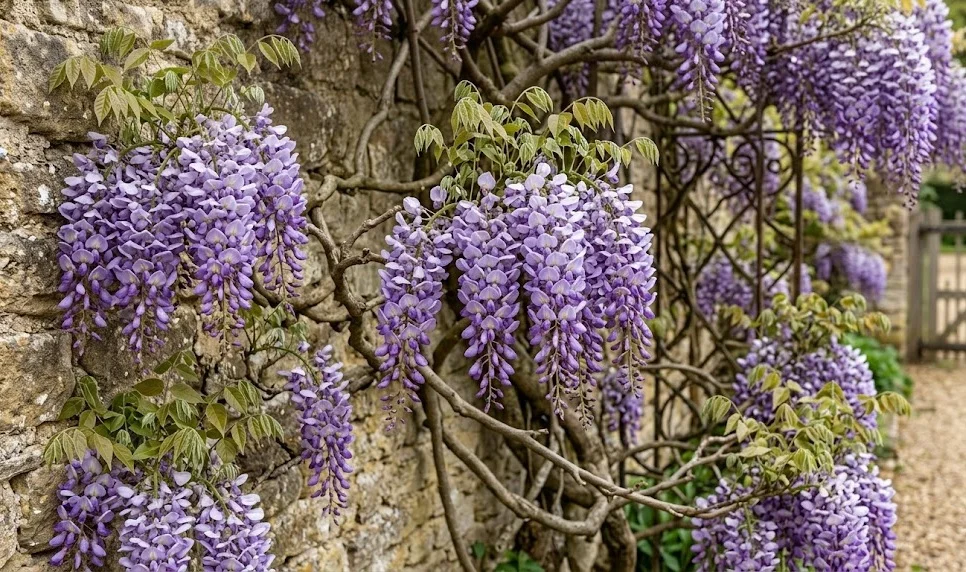

Proper hydration and nutrient management are the twin pillars of maintaining a healthy and floriferous climbing vine in any garden setting. While these plants are known for their vigor, their performance can be significantly enhanced or hindered by the quality of care they receive regarding water and food. Finding the right balance is essential, as both neglect and over-indulgence can lead to problems ranging from stunted growth to a total lack of flowers. A professional approach to these tasks involves understanding the plant’s changing needs throughout the different stages of its life cycle and the varying seasons.
Young vines require more frequent and consistent watering than established specimens to ensure their root systems can expand into the surrounding soil. During the first two growing seasons, the soil should be kept moderately moist but never saturated to the point of becoming swampy. Checking the moisture level a few inches below the surface is a more reliable method than simply looking at the topsoil. As the plant matures, it develops a deep and extensive root network that allows it to better withstand periods of dry weather.
Established plants are remarkably drought-tolerant, but they still benefit from supplemental irrigation during prolonged dry spells in the heat of summer. Lack of water during the period when flower buds are forming can lead to a reduced bloom the following spring or even the premature dropping of current season leaves. When watering, it is best to apply a large volume of water slowly at the base of the plant rather than frequent light sprinkles. This encourages the roots to grow deeper into the earth, which increases the plant’s long-term stability and resilience.
Seasonal changes dictate a shift in the watering schedule to match the plant’s metabolic activity and the evaporation rate of the environment. In the spring, as the leaves emerge and the flowers begin to develop, the demand for water increases significantly. During the dormant winter months, the plant requires very little water, and over-watering during this time can lead to root rot in cold, heavy soils. Adjusting the frequency of irrigation based on rainfall and temperature ensures the vine remains in peak condition without wasting resources.
Using a drip irrigation system or a soaker hose is an efficient way to deliver water directly to the root zone while keeping the foliage dry. This method reduces the risk of fungal diseases that can occur when leaves remain wet for extended periods, especially in humid climates. It also ensures that the water reaches the deep roots where it is needed most rather than running off the surface. For those with large vines covering expansive structures, a dedicated irrigation line can save time and provide a more consistent growing environment.
More articles on this topic
Nutrient requirements and soil fertility
Providing the correct nutrients is a subtle art that requires the gardener to prioritize flower production over the naturally aggressive leafy growth. Nitrogen is necessary for healthy leaves, but an excess of it will stimulate a massive amount of green shoots at the expense of flower buds. Most professionals recommend a fertilizer that is higher in phosphorus and potassium to support the development of strong stems and abundant blooms. Understanding the N-P-K ratio on fertilizer labels is a key skill for any gardener wishing to optimize their vine’s performance.
Soil testing is a valuable tool for determining the baseline fertility of the garden and identifying any specific mineral deficiencies. These vines generally prefer a slightly acidic to neutral soil pH, which allows for the efficient uptake of essential micronutrients like iron and manganese. If the soil is too alkaline, the plant may suffer from iron chlorosis, characterized by yellowing leaves with green veins. Correcting the pH with sulfur or using chelated iron can help restore the plant’s health and vibrant green appearance.
The timing of fertilizer application is just as important as the type of nutrients provided to the plant. A primary feeding in early spring, just as the buds begin to swell, provides the energy needed for the initial burst of growth and flowering. Some growers also choose to apply a second, lighter feeding in early summer after the first flush of flowers has faded. Avoid fertilizing late in the autumn, as this can stimulate new growth that will not have time to harden off before the first frost arrives.
Organic amendments such as compost, well-rotted manure, or bone meal provide a slow-release source of nutrients while also improving the soil structure. These materials encourage a healthy population of soil microorganisms that break down organic matter and make minerals more available to the plant. Applying a layer of compost around the base of the vine each spring is often enough to maintain adequate fertility in most garden soils. This natural approach supports long-term soil health and creates a more sustainable growing environment for the vine.
More articles on this topic
Drip irrigation benefits and implementation
Implementing a drip irrigation system can transform the way a large climber is managed, providing precision and efficiency. These systems deliver water slowly and steadily, which is ideal for the deep-reaching roots of a mature woody vine. By keeping the water at ground level, the gardener avoids the waste associated with evaporation and wind drift common with overhead sprinklers. This targeted approach also helps to prevent the growth of weeds in the surrounding area by keeping the surface soil relatively dry.
Setting up a basic drip system involves laying out a line of tubing with built-in emitters or attaching individual stakes near the base of the plant. It is important to place the emitters around the entire drip line of the canopy to ensure that the whole root system receives adequate moisture. For very large specimens, multiple lines or high-flow emitters may be necessary to meet the plant’s water demands during a heatwave. Timers can be added to the system to automate the process, ensuring the plant is watered even when the homeowner is away.
Maintenance of the irrigation system is required to prevent clogs and ensure consistent water delivery over many years. Hard water deposits or debris can occasionally block the small emitters, so periodic checking of the flow is essential. Flushing the lines at the beginning of the season and inspecting for leaks or damage from garden tools or animals will keep the system running smoothly. In cold climates, it may be necessary to drain the system before winter to prevent damage from freezing water.
The environmental benefits of drip irrigation extend beyond the health of the plant to the conservation of local water resources. Because the water is delivered directly to the root zone, much less is needed to achieve the same level of hydration compared to traditional methods. This efficiency is particularly important in areas prone to water restrictions or during periods of drought. By investing in a smart irrigation strategy, the gardener can maintain a lush and beautiful vine while being a responsible steward of the environment.
Signs of over and under treatment
Learning to read the visual cues provided by the plant is an essential skill for fine-tuning the watering and feeding routine. Wilted or drooping leaves are the most common sign of underwatering, but they can also indicate root rot caused by too much water. To distinguish between the two, check the soil moisture level; if the soil is dry, the plant needs water, but if it is soggy, drainage may be the issue. Consistent observation allows the gardener to intervene before minor stress becomes a major health crisis.
Nutrient imbalances also manifest in the appearance of the foliage and the overall vigor of the vine’s growth. As mentioned previously, yellowing leaves often point to a pH issue or a deficiency in specific minerals like iron or magnesium. On the other hand, if the vine is growing at an alarming rate but fails to produce any flowers for several years, it may be receiving too much nitrogen. Adjusting the fertilization strategy based on these observations helps to bring the plant back into a productive balance.
Leaf scorch, characterized by brown and crispy edges on the leaves, is often a result of salt buildup in the soil from over-fertilization or poor water quality. This condition can also be exacerbated by intense sunlight and dry winds, which pull moisture from the leaves faster than the roots can replace it. If leaf scorch occurs, leaching the soil with plenty of fresh water can help wash away excess salts and provide relief to the plant. Mulching and providing some wind protection can also mitigate the environmental factors contributing to the problem.
Stunted growth and small, pale leaves may indicate that the soil is depleted and the plant is struggling to find the resources it needs to thrive. In these cases, a balanced liquid fertilizer can provide a quick boost while the long-term fertility of the soil is addressed with organic matter. Conversely, a plant that is consistently “over-fed” may become more susceptible to pests and diseases due to its soft, succulent growth. The goal is always to achieve a steady, resilient growth pattern that reflects a healthy and well-maintained vine.
Fertilizer types and professional application
Choosing between synthetic and organic fertilizers depends on the gardener’s goals and the specific needs of the vine. Synthetic fertilizers offer precise control over nutrient ratios and are often available in fast-acting or slow-release formulations. They are useful for addressing acute deficiencies or providing a targeted boost during the flowering season. However, they do not improve the soil structure and can lead to salt buildup if used excessively over a long period of time.
Organic fertilizers, such as fish emulsion, seaweed extract, or blood and bone, provide a more holistic approach to plant nutrition. These products work more slowly as they must be broken down by soil biology, which results in a more sustained and natural growth rate. They also contribute to the overall health of the soil ecosystem, which benefits all the plants in the garden. Many professional landscapers prefer a combination of both types to take advantage of their respective strengths.
Application techniques should ensure that the nutrients reach the active root zone without causing damage to the plant’s delicate tissues. Granular fertilizers should be spread evenly over the soil surface starting a few inches away from the trunk and extending out to the edge of the canopy. After applying granules, it is important to water the area thoroughly to help the nutrients move down into the soil and prevent root burn. Liquid fertilizers can be applied directly to the soil or as a foliar spray for a more immediate effect on the foliage.
Safety and environmental protection are important considerations whenever fertilizers are used in the landscape. Always follow the manufacturer’s instructions regarding application rates to avoid over-dosing the plant and polluting local waterways. Store fertilizers in a cool, dry place away from children and pets, and wear gloves when handling concentrated products. By using fertilizers responsibly and thoughtfully, the gardener can ensure that the vine remains a healthy and vibrant feature of the garden for many years to come.