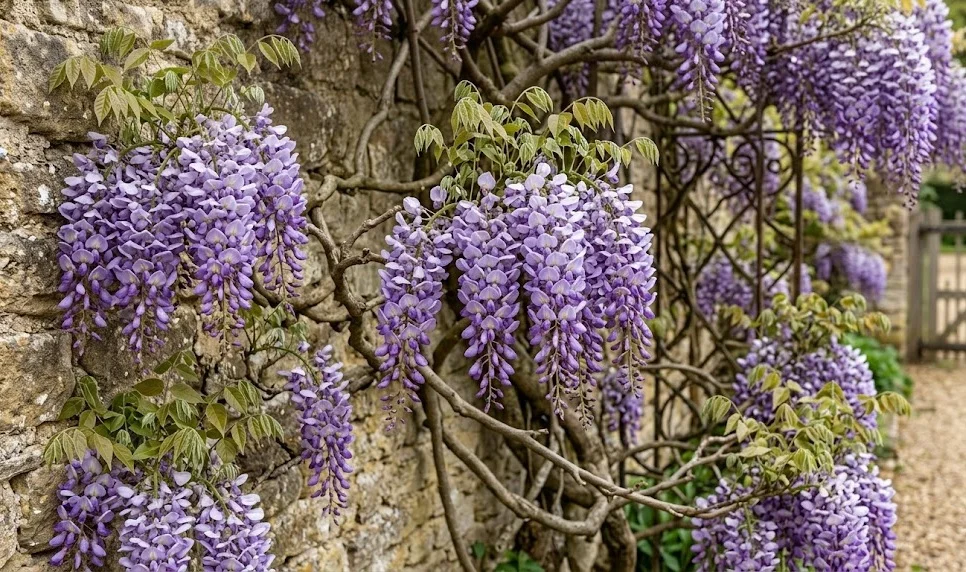

The successful cultivation of this vigorous climbing vine requires a comprehensive understanding of its growth habits and long-term environmental needs. Providing the right foundation is essential because these plants can live for decades and become exceptionally heavy as they mature. Gardeners must balance the plant’s need for expansive space with the practical constraints of a domestic or commercial landscape. Achieving a spectacular floral display is the ultimate reward for those who commit to a disciplined maintenance schedule throughout the growing season.
Managing the structural integrity of the support system is perhaps the most critical aspect of long-term care for this species. Since the woody stems can easily crush flimsy wooden lattices or pull down weak gutters, a robust steel or heavy timber framework is mandatory. Regular inspections of these supports ensure that the weight of the foliage does not cause structural failure during heavy rain or high winds. Owners should check the tension of wires annually and replace any components that show signs of significant wear or rust.
Maintaining the health of the soil provides the necessary fuel for the rapid vegetative growth and extensive root system development. These vines prefer a deep, well-drained loamy soil that remains consistently moist but never becomes waterlogged or anaerobic. Testing the soil pH every few years helps to ensure that it remains slightly acidic to neutral for optimal nutrient uptake. If the soil is too alkaline, the foliage may develop chlorosis, which significantly weakens the plant’s overall vigor and aesthetic appeal.
The seasonal rhythm of the plant dictates the specific care tasks that must be performed to ensure consistent flowering performance. In the spring, the focus should be on protecting emerging flower buds from late frosts that can ruin the season’s display. Summer care involves managing the aggressive runners that seek to colonize nearby trees, shrubs, or buildings. By autumn, the gardener should focus on preparing the plant for dormancy and cleaning up fallen debris to prevent disease.
Optimizing the flowering potential requires a delicate balance between nitrogen levels and physical stress on the vine. Excessive nitrogen often leads to a massive amount of green leaves at the expense of the pendulous flower clusters everyone desires. Some experts suggest that root pruning can occasionally stimulate a stubborn vine into blooming by creating a controlled level of stress. Consistent attention to the age of the wood is also important, as flowers typically form on the older, established spurs.
More articles on this topic
Controlling the aggressive spread of the vine is necessary to protect the surrounding ecosystem and other garden plants. The runners can travel several meters in a single season, rooting wherever they touch the ground if left unmanaged. Training the main leaders in a specific direction helps to create a structured look that complements the architectural features of the property. Vigilance is required to ensure that the vine does not wrap itself around living trees, as it can eventually girdle and kill them.
Professional maintenance cycles should include a thorough evaluation of the plant’s overall health and structural safety every three to five years. This involves looking for signs of internal rot in the main trunk or assessing the stability of the root zone in high-traffic areas. Older specimens may require professional thinning to allow light and air to reach the inner portions of the vine. Engaging with the plant in this systematic way ensures that it remains a focal point of the garden rather than a neglected nuisance.
Long-term health monitoring includes observing the leaf color and size throughout the peak of the growing season. Smaller than average leaves or a general lack of luster can indicate a depletion of trace minerals in the local soil profile. Addressing these issues early prevents the plant from entering a cycle of decline that is difficult to reverse in older woody perennials. A healthy vine will exhibit strong terminal growth and a resilience to minor environmental fluctuations that occur throughout the year.
Structural requirements and support management
Building a permanent home for a climbing vine starts with selecting materials that can withstand the test of time and weather. Galvanized steel cables are often the best choice for training the plant along large walls or across expansive pergolas. The anchors used to secure these cables must be driven deep into masonry or structural timber to prevent them from pulling out under tension. Over time, the thickening trunk can exert immense pressure, so leaving space between the vine and the wall is a wise strategy.
More articles on this topic
The orientation of the support system influences how the plant distributes its energy and where the flowers will eventually hang. Horizontal training encourages the development of lateral branches, which are far more likely to produce flower spurs than vertical shoots. Many professionals design their trellises with a grid pattern to facilitate even coverage across the desired surface area. This approach also makes the pruning process much easier because the structure of the plant remains visible and accessible.
Regularly adjusting the ties and fasteners prevents the vine from being strangled as its girth increases over the years. Using flexible rubber ties or soft garden twine is preferable to wire, which can cut into the bark and create entry points for pathogens. As the plant becomes self-supporting, many of the initial ties can be removed entirely to allow for natural movement. Inspecting these connections twice a year, typically in spring and autumn, prevents long-term damage to the plant’s vascular system.
Safety is a primary concern when managing large woody vines near residential structures or public walkways. Deadwood can accumulate within the dense canopy, posing a risk of falling branches during stormy weather conditions. Periodic thinning of the interior growth allows for better visibility of the structural components and helps identify any failing hardware. Keeping the vine clear of utility lines and roof shingles is also essential to prevent costly damage to home infrastructure.
Soil health and fertility maintenance
The foundation of a vigorous vine lies in the quality of the earth in which its roots are anchored. While these plants are relatively adaptable, they thrive most impressively in deep, fertile soils that offer a balance of drainage and moisture retention. Incorporating organic matter such as well-rotted compost or leaf mold at the time of planting sets a positive trajectory for future growth. Heavy clay soils may require the addition of grit or organic amendments to prevent the roots from suffocating during wet winters.
Monitoring the nutrient profile of the soil ensures that the plant has access to the minerals required for both leaf and flower production. A soil test kit can provide valuable data on the levels of phosphorus and potassium, which are vital for strong root systems and bloom development. Avoid using high-nitrogen fertilizers near established vines, as this often results in excessive foliage and few, if any, flowers. A balanced approach to nutrition mimics the natural forest floor environment where these plants originated.
Mulching serves multiple purposes in the maintenance of a healthy root zone throughout the changing seasons. A thick layer of organic mulch helps to suppress weeds that would otherwise compete with the vine for water and nutrients. It also regulates soil temperature, keeping the roots cool during the heat of summer and providing insulation during the winter. Renewing the mulch layer annually in the spring maintains these benefits while slowly improving the soil structure as the material decomposes.
Water management within the soil profile requires a consistent strategy to prevent cycles of extreme drought and saturation. During the first few years after planting, the root system is still expanding and requires frequent monitoring to ensure it does not dry out. Once established, the vine becomes more resilient, but supplemental water during prolonged dry spells is still necessary for peak performance. Deep watering sessions are far more effective than frequent shallow sprays, as they encourage roots to grow deeper into the ground.
Environmental stressors and adaptation
Climatic conditions play a significant role in how the vine performs and how much care it requires from the gardener. Extreme heat can lead to wilting and leaf scorch if the plant is not properly hydrated or if it is planted against a heat-reflecting wall. In these situations, providing afternoon shade or using organic sprays to reduce transpiration can help the plant cope with high temperatures. Understanding the local microclimate allows for better placement and more effective protective measures during weather extremes.
Late spring frosts are perhaps the most frustrating environmental challenge for those who cultivate this species for its flowers. The delicate buds are highly susceptible to freezing temperatures, which can turn a potential floral masterpiece into a collection of brown, shriveled remains. Covering young or accessible vines with horticultural fleece when frost is predicted can save the season’s bloom. Strategic placement away from frost pockets in the landscape is a preventative measure that pays dividends every year.
Wind exposure can also impact the health and appearance of the foliage, particularly in open or elevated locations. Strong gusts can tear the large leaves and cause the long, pendulous flower clusters to become tangled or damaged. Planting the vine in a sheltered spot or providing a windbreak can mitigate these effects and maintain the plant’s aesthetic integrity. In very windy areas, the support system must be even more robust to handle the additional physical stress placed on the canopy.
Urban environments present unique challenges, such as reflected heat from pavement and limited root space in small garden beds. Soil compaction from foot traffic can also restrict oxygen flow to the roots and hinder the plant’s ability to thrive. Using permeable paving materials and protecting the root zone with low-growing groundcovers can improve the growing conditions in city settings. Despite these challenges, the vine remains a popular choice for urban greening due to its vertical growth habit and dramatic visual impact.
Bloom optimization and flowering cycles
The quest for a perfect floral display begins with understanding the specific conditions that trigger flower bud formation. Sunlight is the primary driver, with at least six hours of direct exposure required for the plant to produce a significant number of blooms. Without sufficient light, the vine will remain a lush green curtain but will fail to produce the iconic purple or white racemes. Ensuring that the flowering wood is positioned to receive maximum sunlight is a key strategy for success.
The age and maturity of the plant are also determining factors in when it will first begin to flower. Plants grown from seed may take up to a decade or more to reach reproductive maturity and produce their first blooms. For this reason, most professionals recommend purchasing grafted specimens or those grown from cuttings taken from a known flowering parent. These plants often begin to bloom within two to three years, providing much faster gratification for the gardener.
Physiological stress is sometimes used by experienced growers to encourage a stubborn vine to transition from vegetative to reproductive growth. Root pruning involves cutting a circle around the base of the plant with a sharp spade to temporarily limit nutrient uptake. This technique should be used with caution and only on healthy, established vines that have failed to bloom for several consecutive years. It is often a last resort but can be remarkably effective when other environmental factors are already optimized.
Proper pruning remains the most reliable way to ensure a heavy crop of flowers year after year. By cutting back the long, whippy side shoots, the plant’s energy is redirected into the short flowering spurs located near the main branches. This process should be done twice a year to maintain the desired shape and maximize the density of the floral display. Understanding the difference between vegetative shoots and flowering wood is an essential skill for any serious wisteria enthusiast.
Management of aggressive growth patterns
The vigorous nature of this vine is both its greatest strength and its most challenging characteristic for the homeowner. In a single season, a healthy plant can produce many meters of new growth that quickly covers everything in its path. Without regular intervention, the vine can infiltrate roof tiles, block gutters, and overwhelm neighboring vegetation. Setting clear boundaries for the plant’s expansion is necessary to maintain a harmonious and safe garden environment.
Training the new growth along a predetermined path helps to keep the vine under control while creating a beautiful architectural feature. Using a “leader and lateral” system allows the gardener to define the main skeleton of the plant and manage the side branches accordingly. This organized approach makes it much easier to spot unwanted runners that might be trying to escape into the lawn or surrounding beds. Consistency is key, as even a few weeks of neglect during the peak growing season can result in a tangled mess.
The subterranean growth of the plant can be just as aggressive as the aerial parts, with roots spreading far from the main trunk. These roots can occasionally interfere with underground pipes or lift lightweight paving stones if they are planted too close to infrastructure. Maintaining a buffer zone between the plant and critical home systems is a wise preventative measure for any large-scale climber. Periodic root monitoring can help identify potential issues before they become expensive problems for the property owner.
Encouraging a more compact growth habit is possible through a combination of strategic pruning and nutrient management. By limiting high-nitrogen inputs, the rate of vegetative expansion is naturally slowed, making the plant more manageable. Some growers choose to cultivate the vine as a free-standing standard or “tree” form, which requires a heavy stake and constant attention to suckers. This method provides the beauty of the flowers in a much more controlled and space-efficient format.
Long term sustainability and vine health
A well-cared-for vine can become a multi-generational asset to a property, providing beauty and shade for many decades. Achieving this longevity requires a commitment to observing the plant and responding to its needs as it ages. As the trunk thickens and the canopy expands, the relationship between the plant and its environment evolves. Regular assessments of the soil quality and the integrity of the support structure remain the pillars of sustainable vine management.
Dealing with the eventual decline of older branches is a natural part of the plant’s life cycle that requires careful handling. Renovation pruning involves removing large sections of old wood over several years to encourage the growth of vigorous new shoots. This process should be done gradually to avoid shocking the plant and to maintain some level of floral display during the transition. The goal is to rejuvenate the plant from the base up, ensuring that it remains vibrant and productive for the future.
The ecological impact of the vine should also be considered, especially in regions where it may be classified as an invasive species. Preventing the plant from setting seed by deadheading the spent flowers is an effective way to limit its spread beyond the garden. Choosing sterile cultivars or native alternatives is another option for those concerned about the local environmental balance. Responsible gardening involves enjoying the beauty of the plant while taking steps to mitigate its potential for uncontrolled expansion.
In conclusion, the care of this magnificent climber is a rewarding journey that blends horticultural skill with aesthetic vision. From the initial planting to the management of a massive, ancient specimen, each stage offers unique challenges and opportunities. By following a consistent routine of pruning, feeding, and structural maintenance, anyone can enjoy the breathtaking beauty of these vines. The effort invested in their care is returned every spring in a spectacular cascade of fragrant and colorful blooms.