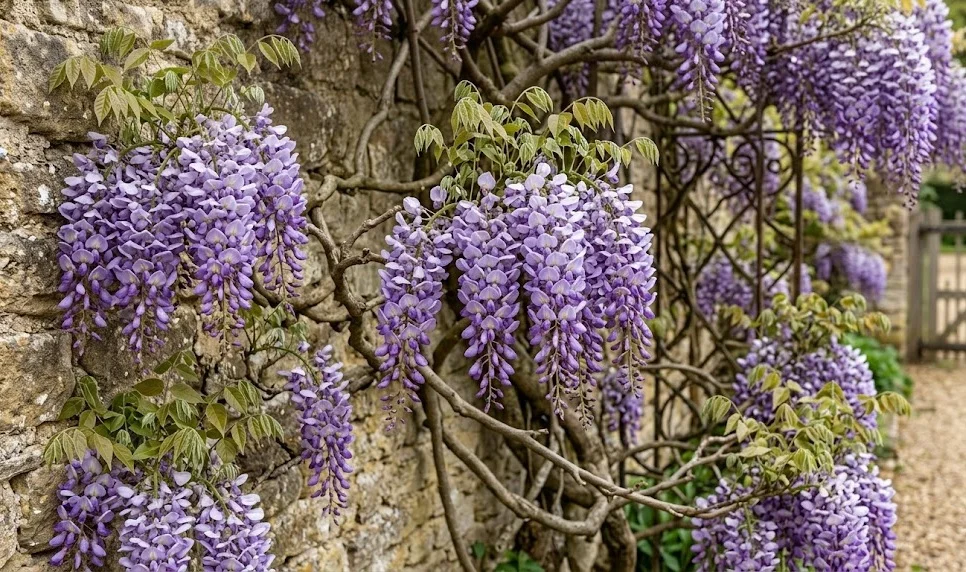

The initial steps taken during the planting phase determine the future health and flowering potential of this long-lived ornamental vine. Choosing the right location is paramount, as the plant’s vigorous root system and massive woody structure make it difficult to relocate once established. Gardeners must consider not only the immediate aesthetic goals but also the long-term structural implications for the surrounding landscape. Successful planting combines careful site preparation with a deep understanding of the plant’s biological requirements for light and soil quality.
Selecting the perfect site requires an evaluation of the available sunlight and the strength of nearby structures. This vine needs a minimum of six hours of full sun daily to produce its signature heavy clusters of fragrant flowers. Areas with significant shade will result in excessive foliage growth and a disappointing lack of floral development over the years. Additionally, the soil must be deep enough to accommodate a extensive root system that will eventually support a heavy canopy.
Preparation of the planting hole should be done with the plant’s future size in mind, creating a welcoming environment for root expansion. The hole should be twice as wide as the root ball and just as deep, allowing the roots to spread out without being cramped or bent. Incorporating organic matter such as compost into the backfill soil improves the texture and provides a slow-release source of nutrients. After placing the vine, it is important to firm the soil gently to remove air pockets and then water the area thoroughly.
The timing of the planting process is also a factor in how quickly the vine becomes established in its new home. Early spring or late autumn are the ideal windows for planting, as the cooler temperatures reduce transplant shock and allow for root development. Avoid planting during the peak of summer heat or in the middle of a frozen winter when the plant is most vulnerable. A well-timed start gives the vine the best chance to build the energy reserves needed for its first vigorous growing season.
Mulching around the base of the newly planted vine helps to maintain moisture levels and suppress competing weeds during the critical establishment phase. Use a layer of bark chips or leaf mold, keeping it a few inches away from the main stem to prevent rot. This protective barrier also helps to regulate soil temperature, which encourages steady root growth even during temperature fluctuations. Monitoring the moisture level in the soil is essential during the first year, as the young plant has not yet developed its full drought resistance.
More articles on this topic
Propagation techniques and methods
Creating new plants from an existing specimen is a rewarding way to expand the garden or share the beauty of this vine with others. There are several methods available, ranging from simple layering to more technical approaches like grafting or hardwood cuttings. Each technique has its own timeline and success rate, but all require patience and attention to detail to achieve viable results. Understanding the growth cycle of the plant helps in choosing the most effective propagation method for the specific season.
Hardwood cuttings are a popular choice for home gardeners because they can be taken during the dormant winter months when other garden tasks are minimal. Select healthy, pencil-thick stems from the previous season’s growth and cut them into sections about six to eight inches long. Dipping the bottom end of each cutting into a rooting hormone can significantly increase the chances of successful root development. Place the cuttings in a well-drained potting mix and keep them in a sheltered, frost-free location until new growth appears in the spring.
Softwood cuttings taken in the early summer offer another effective way to propagate the vine using the current season’s flexible growth. These cuttings root more quickly than hardwood ones but are more sensitive to drying out and require a humid environment to thrive. Removing the lower leaves and keeping the cuttings under a plastic dome or in a misting system helps maintain the necessary moisture levels. Once roots have formed, the young plants should be gradually acclimated to outdoor conditions before being moved to their permanent locations.
Layering is perhaps the most reliable propagation method because the new plant remains attached to the parent vine until it has developed its own root system. Simply take a long, flexible shoot and pin a section of it to the ground, covering it with a few inches of moist soil. Wounding the stem slightly at the point of contact can speed up the rooting process by stimulating the plant’s natural healing response. After a year or more, once a strong root system is visible, the new plant can be severed from the parent and transplanted.
More articles on this topic
Challenges with propagation from seeds
While it is possible to grow this vine from the large, velvety seeds found in its pods, this method is often discouraged for those seeking a specific aesthetic. Seeds do not necessarily produce plants that are identical to the parent, meaning the flower color and scent may vary significantly. Furthermore, seedlings are notorious for taking an exceptionally long time to reach their first flowering stage, sometimes requiring fifteen years or more. This lack of predictability makes seed propagation a project for the patient and curious rather than the goal-oriented gardener.
If you choose to experiment with seeds, they must be properly prepared to overcome their hard outer coating and trigger germination. Soaking the seeds in warm water for twenty-four hours or slightly scarring the surface with a file can help moisture penetrate the shell. Once pre-treated, the seeds should be planted in a sterile seed-starting mix and kept in a warm, bright location. Maintaining consistent moisture is vital, as the large seeds can quickly rot if they are kept in waterlogged conditions or die if they dry out completely.
The growth rate of seedlings can be surprisingly fast once they have successfully germinated and established their first true leaves. During the first few years, the focus of care should be on developing a strong root system rather than encouraging rapid top growth. Providing a small stake for the young plant to climb will help it develop a straight trunk and prevent it from becoming a tangled mass on the ground. Frequent repotting may be necessary if the seedlings are started in containers, as their roots can quickly become pot-bound.
The disappointment of a “blind” vine—one that never blooms despite being healthy—is a common risk associated with seed-grown plants. Some individuals may never produce flowers at all, regardless of the care and pruning they receive from the gardener. For this reason, professional nurseries almost exclusively sell plants that have been propagated vegetatively to ensure reliable performance. Understanding these limitations helps gardeners make informed decisions about whether to invest time in seed propagation or choose a more guaranteed method.
Grafting for professional results
Grafting is a more advanced technique used by commercial growers to combine the vigor of a strong rootstock with the proven flowering ability of a specific cultivar. This process involves joining a piece of a desired flowering vine, called the scion, onto the root system of another plant. Successful grafting requires precise cuts and careful alignment of the vascular tissues to ensure a strong and permanent bond. It is the gold standard for producing high-quality plants that will bloom reliably and true to their type.
The best time for grafting is usually in the late winter or early spring just as the sap begins to flow and the buds are starting to swell. Various methods, such as the whip-and-tongue graft or the cleft graft, can be used depending on the size and age of the materials. After the graft is made, it must be secured with grafting tape and sealed with wax to prevent the union from drying out or becoming infected. Once the scion begins to grow vigorously, it is a sign that the graft has successfully taken and the tissues have fused.
Managing a grafted plant requires monitoring the area around the graft union for any suckers that may emerge from the rootstock. These suckers will have the characteristics of the rootstock rather than the desired flowering vine and can quickly overwhelm the scion if left unchecked. Removing these unwanted shoots as soon as they appear ensures that the plant’s energy remains focused on the chosen cultivar. Over time, the graft union will become a thickened scar on the trunk, marking the point where two distinct plants became one.
For the home gardener, purchasing a pre-grafted plant is usually the most efficient way to ensure a spectacular floral display without the technical challenges of propagation. These plants are often sold with a clear indication of their cultivar name and expected flower characteristics, providing peace of mind for the buyer. Whether you choose to master the art of grafting yourself or rely on the expertise of professionals, the result is a beautiful and reliable vine. Planting a high-quality specimen is the final step in a process that begins with careful selection and ends with decades of enjoyment.