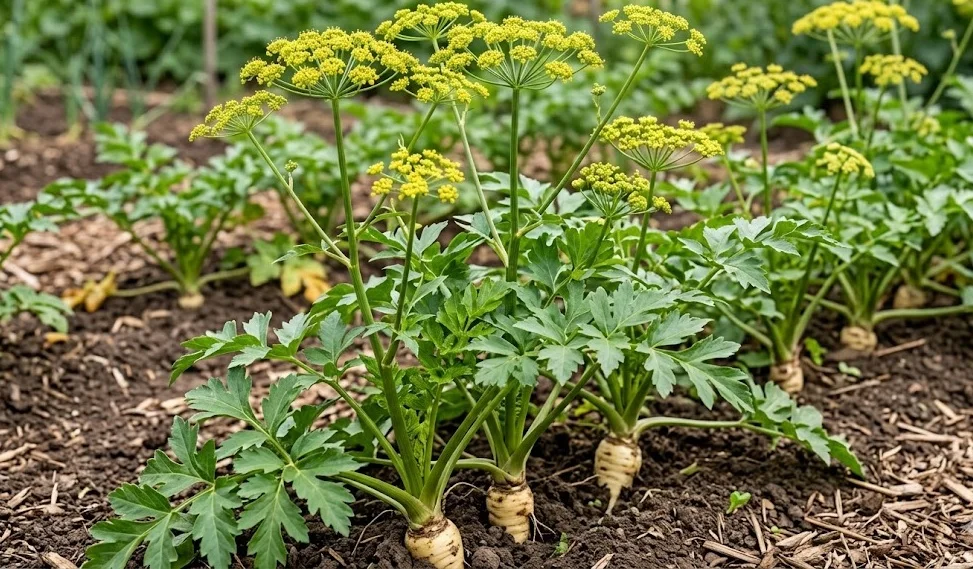

Protecting a parsnip crop from biological threats is a constant challenge that requires both vigilance and a deep understanding of the local ecosystem. Because these roots stay in the ground for a long time, they are exposed to various soil-borne pathogens and insects throughout their entire development. You must be able to identify the early signs of trouble before they escalate into a widespread problem that ruins the entire agricultural project. A professional grower prioritizes prevention and integrated management strategies over reactive chemical treatments to ensure a healthy and sustainable harvest.
The environment within the soil is a complex battleground where fungi and bacteria can quickly overwhelm a weakened or stressed parsnip plant. You should focus on maintaining a healthy soil structure and proper drainage to minimize the conditions that allow these diseases to thrive and spread. Stagnant water and compacted earth are the primary drivers of root rot and other devastating issues that can occur beneath the surface. Professional magazin articles often emphasize that a healthy plant in good soil is the best defense against any disease or pest infestation.
Insects are also a significant threat, as they can damage both the foliage and the valuable root system through their feeding activities. You should monitor your plants daily for signs of leaf damage, tunneling, or the presence of the pests themselves on the undersides of the leaves. Some insects also act as vectors for viral diseases, which can cause stunted growth and reduced yields if not managed properly. Understanding the life cycles of common pests allows you to intervene at the most effective time to protect your crop without harming beneficial organisms.
Integrated Pest Management (IPM) is the modern professional standard for dealing with agricultural challenges in a responsible and effective way. You should use a combination of physical barriers, biological controls, and cultural practices to keep pest populations below a level that causes significant economic damage. Chemical treatments should only be used as a last resort and should be chosen for their low impact on the surrounding environment and the final quality of the food. By adopting a holistic approach, you can grow high-quality parsnips that are safe for consumption and produced with professional care.
Common fungal and bacterial issues
Parsnip canker is arguably the most common and frustrating disease that growers face during the long autumn and winter months. You will notice orange, brown, or black sunken patches near the crown of the root, which can eventually lead to rotting of the entire vegetable. This disease is often triggered by physical damage to the root or crown, providing an entry point for the soil-borne fungi that cause the infection. A professional tip is to avoid over-fertilizing with nitrogen and to ensure the soil is well-drained to reduce the prevalence of this stubborn pathogen.
More articles on this topic
Powdery mildew is another fungal issue that affects the foliage of parsnips, especially during the warm and dry periods of late summer. You should look for a white, flour-like coating on the surface of the leaves, which can reduce the plant’s ability to photosynthesize and store energy in the root. This disease thrives when the air is humid but the soil is dry, so maintaining consistent moisture is an effective cultural control method. Removing and destroying heavily infected leaves can also help prevent the spores from spreading to neighboring healthy plants in the row.
Sclerotinia rot, often called white mold, can be particularly destructive in wet years when the plants are grown too close together. You might see a white, cottony fungal growth on the stems and crowns, often accompanied by small black structures known as sclerotia. This fungus can survive in the soil for many years, making it essential to practice a long crop rotation to avoid repeated infections in the same area. Professional agriculturists recommend ensuring good airflow around the plants by following proper spacing guidelines during the early stages of the growing season.
Bacterial soft rot is a disease that causes the roots to turn into a mushy, foul-smelling mass, often starting from the tip or the crown. You should be aware that this bacteria often enters through wounds caused by insects or careless weeding during the middle of the summer. Maintaining clean tools and avoiding any physical injury to the developing roots is the best way to prevent this bacterial infection from taking hold. If you find an infected plant, remove it immediately along with the surrounding soil to stop the bacteria from moving through the bed.
Viral threats and vectors
Viruses can be difficult to diagnose because their symptoms, such as yellowing or leaf curling, often mimic nutrient deficiencies or environmental stress. You should look for mosaic patterns on the leaves or stunted growth that doesn’t respond to improved watering or fertilization routines. Once a parsnip plant is infected with a virus, there is no cure, and the focus must shift to preventing the spread to other plants in the garden. Professional growers often remove and destroy any suspect plants immediately to protect the rest of the agricultural magazine’s trial crop.
More articles on this topic
Aphids are the primary vectors for many viral diseases, as they move from plant to plant, feeding on the sap and transmitting the pathogens. You should regularly check the new growth and the undersides of the leaves for these tiny, soft-bodied insects that can multiply rapidly in favorable weather. Controlling aphid populations is an indirect but essential way to manage the risk of viral infections in your parsnip beds throughout the year. Encouraging natural predators like ladybugs and lacewings is a professional and organic strategy for keeping aphid numbers under control.
Leafhoppers are another group of insects that can transmit viruses and phytoplasmas while feeding on the parsnip foliage. You might notice these small, wedge-shaped insects jumping or flying away when you disturb the leaves during your daily inspections. Their feeding can also cause “hopperburn,” where the edges of the leaves turn yellow and eventually die back due to the toxins injected by the insects. Using fine mesh covers or reflective mulches can help deter these pests and reduce the chance of viral transmission in a professional agricultural setting.
Practicing good weed control in the surrounding area is a vital part of viral management because many weeds act as alternate hosts for both the viruses and their vectors. You should clear any wild umbellifers, such as wild carrot or hogweed, from the vicinity of your parsnip crop to break the cycle of infection. Maintaining a clean and weed-free perimeter around your growing area is a professional practice that significantly reduces the overall disease pressure on your cultivated vegetables. By managing the wider environment, you provide a safer and more productive space for your parsnip plants to thrive.
Insect pests and their management
The carrot rust fly is perhaps the most significant insect pest for parsnip growers, as its larvae tunnel directly into the developing roots. You will see rusty brown scars and tunnels on the surface of the parsnips, which not only ruin their appearance but also invite secondary rot. This fly is most active during two or three specific generations throughout the year, depending on your local climate and weather patterns. Professional growers use fine insect netting or barriers to prevent the female flies from laying their eggs near the base of the parsnip plants.
Cutworms are the larvae of certain moths that hide in the soil during the day and emerge at night to feed on the stems of young seedlings. You might find that your newly germinated parsnips have been “cut” off at soil level overnight, which can be devastating for a small planting. To protect young plants, you can place cardboard or plastic collars around the base of each seedling to act as a physical barrier against the worms. Professional agriculturists also use beneficial nematodes to control the soil-dwelling stages of these pests in an organic and effective way.
Root knot nematodes are microscopic worms that live in the soil and cause small, gall-like swellings to form on the parsnip roots. These galls disrupt the movement of water and nutrients, leading to stunted plants and deformed roots that are unsuitable for the magazine’s high standards. You should avoid growing parsnips in the same spot year after year, as this allows nematode populations to build up to dangerous levels in the soil. Solarization or the use of specific cover crops like marigolds are professional methods for reducing nematode pressure before planting a sensitive crop like parsnips.
Slugs and snails can also be a nuisance, especially in damp weather or in gardens with a lot of organic mulch on the surface. They feed on the young foliage and can also damage the shoulders of the parsnips where they emerge from the ground. You should use organic slug pellets or beer traps to manage these pests, or simply remove them by hand during evening patrols of the garden. Keeping the area around your parsnip beds clear of debris and tall grass will reduce the hiding places for these mollusks and help keep your crop safe.
Encouraging natural predators
A healthy and balanced garden ecosystem is one where natural predators help to keep pest populations in check without the need for human intervention. You should plant a variety of flowering herbs and wildflowers near your parsnip beds to attract beneficial insects like hoverflies and parasitic wasps. These insects provide a vital service by hunting and killing common pests like aphids and caterpillars before they can cause significant damage. Professional growers view these “beneficials” as an essential part of their team and work to provide them with food and habitat throughout the year.
Birds can also be excellent allies in the fight against garden pests, as many species feed on insects and their larvae. You can encourage birds to visit your garden by providing nesting sites, water sources, and protective cover near your agricultural plots. However, you must be careful to protect newly sown seeds and young seedlings from birds that might also find them attractive as a food source. A professional approach involves using netting only when necessary and allowing birds free access to the garden during the rest of the growing season.
Ground beetles are voracious hunters that live in the soil and feed on a wide range of pests, including slugs, cutworms, and the larvae of the carrot rust fly. You can support these nocturnal helpers by providing “beetle banks” or areas of undisturbed soil and mulch where they can hide during the day. Avoid using broad-spectrum insecticides that kill these beneficial beetles along with the target pests, as this can lead to even bigger pest outbreaks in the future. A professional grower understands that protecting the soil life is the key to maintaining a healthy and resilient garden environment.
The use of biological controls, such as buying and releasing specific predators or parasites, is a professional technique for managing difficult pest problems. You can purchase ladybugs, lacewings, or predatory mites from specialized suppliers and release them directly onto your parsnip plants when pest numbers begin to rise. This targeted approach is highly effective and completely organic, making it a favorite for those who want to avoid chemical treatments. By working with nature instead of against it, you can achieve professional results and a beautiful, healthy parsnip harvest.
Integrated pest management protocols
Implementing a successful IPM protocol requires a commitment to regular monitoring and the use of a variety of management tools throughout the season. You should keep a detailed log of the pests and diseases you encounter, noting the time of year and the weather conditions when they appear. This data will help you predict future problems and intervene early with the most effective and least invasive methods available. A professional agriculturist always has a plan in place before the growing season starts, ensuring they are prepared for any challenge that may arise.
Cultural practices, such as proper spacing, crop rotation, and water management, are the first line of defense in any professional IPM program. By creating an environment that favors the plant and discourages pests and diseases, you can significantly reduce the need for more intensive interventions. You should choose disease-resistant varieties and ensure your soil is in peak condition to give your parsnips the best possible start. These simple, proactive steps are the foundation of a successful and sustainable agricultural strategy for any magazine reader.
Physical barriers, such as row covers and insect netting, are essential tools for protecting sensitive crops like parsnips from specific insect pests. You should install these barriers immediately after sowing or transplanting to ensure the plants are protected during their most vulnerable stages of growth. Ensure that the edges of the netting are securely buried in the soil to prevent pests like the carrot rust fly from crawling underneath. Using high-quality, professional-grade materials will ensure that your barriers last for several seasons and provide reliable protection for your crops.
Finally, you should always evaluate the effectiveness of your pest and disease management strategies at the end of each growing season. Ask yourself which methods worked well and which ones need to be refined or replaced in the future to improve your results. Continuous learning and adaptation are the hallmarks of a professional grower who is dedicated to excellence in their craft. By staying informed and being proactive, you can overcome the challenges of pests and diseases and enjoy a bountiful and high-quality parsnip harvest every year.