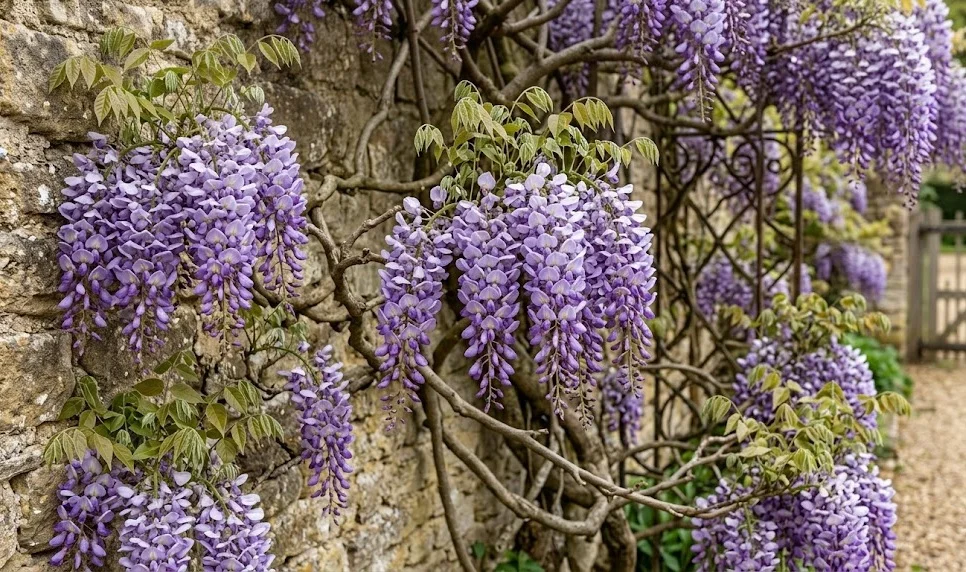

Understanding the specific lighting needs of this dramatic climbing vine is fundamental to achieving the spectacular floral displays for which it is world-renowned. Light is the primary energy source that fuels the plant’s rapid growth and, more importantly, triggers the physiological processes required for flower bud initiation. Without sufficient exposure to direct sunlight, even the most well-watered and fertilized specimen will likely fail to produce a significant number of its iconic pendulous blooms. Professional landscapers and gardeners must therefore prioritize the quality and duration of light when selecting a location for this species.
The ideal lighting condition for maximum performance is full sun, which is defined as at least six to eight hours of direct, unfiltered sunlight daily. In these conditions, the vine’s leaves can photosynthesize at peak efficiency, creating the carbohydrate reserves needed for both vegetative expansion and reproductive success. Sunlight also helps to keep the foliage dry, which naturally reduces the risk of fungal diseases such as powdery mildew. Positioning the vine on a south-facing or west-facing wall or structure is often the best way to meet these intensive light requirements.
While the plant is known for its vigor and can certainly grow in partial shade, the quality of the display will be noticeably different. In shaded locations, the vine tends to prioritize “reaching” for the light, resulting in long, leggy stems with large leaves but very few flower spurs. The color of the flowers may also be less vibrant, and the overall density of the floral clusters will be significantly reduced compared to plants grown in full sun. For those who value the flowers above all else, providing the maximum possible light is a non-negotiable requirement.
The intensity of light can also be a factor, especially in regions with extreme summer temperatures or at high elevations. In very hot climates, some light afternoon shade can actually be beneficial by preventing leaf scorch and reducing the plant’s overall water demand. However, this shade should be filtered or temporary, as the plant still needs several hours of intense morning sun to thrive. Understanding the specific microclimate of the garden allows for a more nuanced approach to positioning the vine for both health and beauty.
The orientation of the support structure also plays a role in how light is distributed across the plant’s extensive canopy. Vertical training can lead to shading of the lower branches, while horizontal training allows for more even exposure of the entire vine to the sun’s rays. This even distribution of light is one of the reasons why horizontal training is so effective for encouraging a massive and uniform floral display. By managing the plant’s architecture in relation to the sun, the gardener can optimize every square meter of the vine’s surface area.
More articles on this topic
Photosynthesis and bloom development
The relationship between light and flowering is a complex biological process that depends on the plant’s ability to store and manage its energy. Photosynthesis occurs in the green leaves, where sunlight is converted into chemical energy that the plant uses for all its metabolic activities. During the summer months, the plant must produce enough excess energy to not only grow but also to form the tiny flower buds that will bloom the following spring. This is why a lack of light during one season can result in a poor display the next year.
Sunlight also acts as a signal to the plant’s internal biological clock, helping it to time its growth and flowering cycles correctly. The changing length of the days provides information about the seasons, ensuring that the plant enters dormancy at the right time and wakes up when the weather is favorable. This photoperiodism is a common trait among long-lived woody plants and is essential for their long-term survival in temperate climates. A vine planted in deep shade may become “confused” by the lack of clear seasonal signals, leading to erratic growth patterns.
The quality of the light—specifically the spectrum of light reaching the plant—also influences its development and structural characteristics. Blue light tends to encourage compact growth and healthy foliage, while red and far-red light are more closely associated with the triggering of flowering. Natural sunlight provides a full and balanced spectrum that is impossible to replicate with most artificial sources in a large-scale garden setting. This is another reason why outdoor specimens grown in clear, open locations almost always outperform those in crowded or sheltered spots.
Monitoring the appearance of the foliage can provide valuable clues about whether the plant is receiving the right amount and quality of light. Deep green, healthy-looking leaves that are appropriate for the cultivar suggest that the light levels are adequate for growth. Conversely, leaves that are pale, unusually small, or stretched out may indicate that the plant is struggling to capture enough energy from its environment. By observing these subtle signs, the gardener can make informed decisions about pruning or thinning the canopy to allow more light into the interior.
More articles on this topic
Aspect and microclimate considerations
The “aspect” of a planting site refers to the direction it faces and the specific way it interacts with the sun throughout the day and the year. A south-facing aspect provides the most intense and consistent light, making it the premier choice for sun-loving vines in the Northern Hemisphere. West-facing locations also offer high light levels but can be subject to intense afternoon heat, which may require more careful water management. East-facing sites receive gentle morning sun, which is excellent for drying the foliage but may not provide enough total energy for a heavy bloom.
Microclimates are small-scale variations in weather and light that occur within a single garden due to the presence of buildings, trees, or other structures. A vine planted near a large, reflective wall may receive more total light than one in an open field, as the wall bounces sunlight back into the canopy. On the other hand, the shadow cast by a nearby tree or a neighbor’s house can significantly reduce the available light during certain parts of the day. Mapping the movement of shadows throughout the growing season is a useful exercise for anyone planning a large-scale planting.
The seasonal change in the sun’s path also affects how much light reaches the vine at different times of the year. In the height of summer, the sun is high in the sky and can reach into areas that might be shaded during the lower-angled light of spring and autumn. Since the flower buds for the following year are formed in the late summer, this is the most critical time for the plant to receive maximum exposure. Ensuring that the site remains sunny during this key window is essential for maintaining a consistent year-to-year floral performance.
For those with limited space or less-than-ideal lighting, choosing the right cultivar can help mitigate the effects of lower light levels. Some varieties have been noted for being slightly more shade-tolerant or for their ability to flower more reliably in less-than-perfect conditions. However, it is important to remember that even these plants are still sun-lovers at heart and will always perform best when given as much light as possible. Ultimately, the successful cultivation of this vine is a partnership between the gardener’s care and the natural energy of the sun.