
As the vibrant colors of autumn begin to fade and the first whispers of frost appear, the focus of garden care shifts toward protection and survival. For a shrub that carries a tropical aesthetic, the onset of winter can be a period of significant physiological stress if the proper precautions are not taken. While these plants are surprisingly hardy for their appearance, they still have specific limits that must be respected to ensure they emerge in spring with their beauty intact. Understanding the transition into dormancy is key to maintaining a healthy specimen throughout the coldest months of the year.
Winter care is not just about shielding the plant from the cold, but also about managing its significantly reduced metabolic needs. As the days shorten and light levels drop, the plant’s internal clock signals a slowdown in growth and energy consumption. During this time, the usual rules for watering and feeding no longer apply, and continuing a summer routine can actually do more harm than good. A successful overwintering strategy requires a subtle shift in mindset from encouraging growth to preserving existing health.
The location of your plant—whether it is permanently in the ground or kept in a container—will largely dictate the level of intervention required. Container plants are much more vulnerable to temperature extremes because their roots are not insulated by the vast thermal mass of the earth. Garden-grown specimens, once established, can often handle much colder air as long as their root zone is properly protected. Being aware of these differences allows you to tailor your protective measures to the specific needs of each individual plant.
Preparation is the most effective tool in your winter arsenal, as the best time to protect a plant is long before the most severe weather arrives. By the time a deep freeze is predicted, it may be too late to implement some of the more effective long-term solutions like mulching or relocation. Taking a few proactive steps in late autumn will give you peace of mind throughout the winter and ensure a spectacular display when the warmth returns. Consistency and foresight are the hallmarks of an expert gardener during the transition between seasons.
Understanding cold hardiness thresholds
Before the winter begins, it is essential to know exactly how much cold your specific specimen can realistically tolerate without suffering permanent damage. Generally, these shrubs are rated for zones that experience occasional frost, and mature plants can often survive temperatures down to about minus ten degrees Celsius. However, younger plants or those that have recently been moved are much more sensitive and may show signs of distress much sooner. Knowing the age and vigor of your plant helps you decide when it is time to start the winter protection process.
More articles on this topic
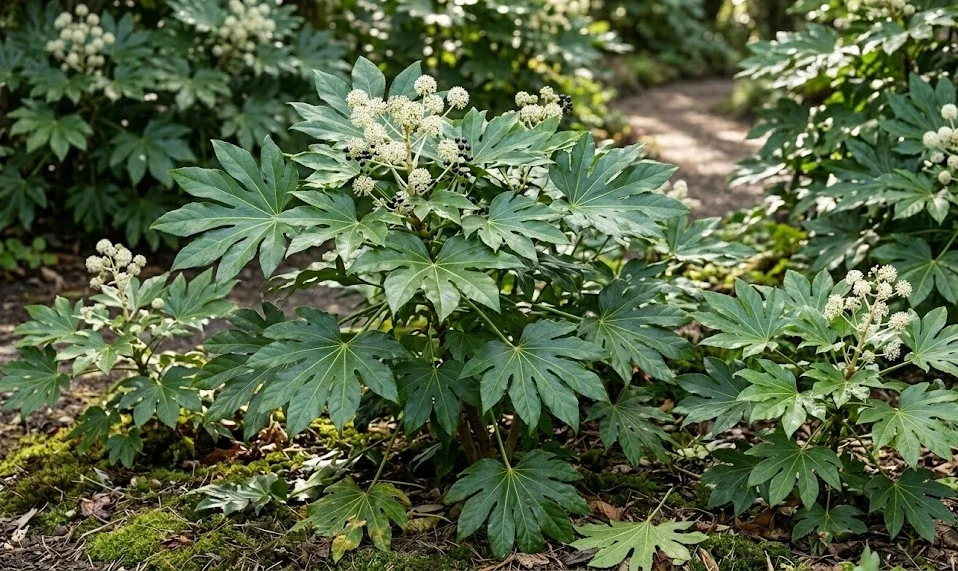
The duration of the cold is often just as important as the absolute temperature, with prolonged freezes being much more damaging than a single cold night. A quick dip below freezing followed by a sunny afternoon is usually not a problem for an established garden aralia. However, several days of sub-zero temperatures can freeze the ground solid, preventing the roots from taking up any moisture at all. This “physiological drought” is a common cause of winter leaf drop and should be guarded against with proper insulation.
Wind chill is another factor that can significantly increase the stress on the large, evergreen leaves during the winter months. Cold, dry winds draw moisture out of the foliage much faster than the roots can replace it, especially if the ground is frozen. This can lead to a condition known as “winter burn,” where the edges of the leaves turn brown and brittle even if the air temperature isn’t excessively low. Finding a sheltered spot or providing a temporary windbreak can make a huge difference in how the plant looks come springtime.
Microclimates within your own garden can also play a major role in how well a plant survives the winter season. A spot near a south-facing brick wall will stay several degrees warmer throughout the night than an open, exposed area in the middle of the lawn. Similarly, low spots in the garden can become “frost pockets” where cold air settles and lingers much longer than in higher areas. Observing these subtle patterns in your landscape will help you choose the safest possible overwintering spot for your more sensitive plants.
Protecting outdoor specimens from frost
For plants that are staying in the garden, the most effective form of protection is a thick layer of organic mulch around the base of the shrub. Using materials like bark chips, straw, or even fallen leaves creates a blanket that insulates the soil and keeps the root zone from freezing too deeply. This mulch also helps retain whatever moisture is in the ground, preventing the roots from drying out during long, dry winter spells. Ensure the mulch is several inches thick but keep it a small distance away from the actual stem to prevent rot.
More articles on this topic
In areas where extreme temperatures or heavy snow are expected, you may want to consider wrapping the entire plant in a breathable material like horticultural fleece or burlap. This provides an extra layer of insulation and protects the large leaves from being crushed or broken by the weight of accumulating snow. Avoid using plastic for this purpose, as it can trap moisture and cause the plant to overheat on sunny days, leading to fungal issues. The goal is to provide a sheltered environment that still allows the plant to breathe and receive some light.
For smaller or younger plants, a temporary structure like a wire cage filled with dry leaves can provide an incredible amount of insulation against the cold. This method effectively creates a giant “nest” that buffers the plant from the most severe temperature fluctuations throughout the winter. As the spring arrives and the threat of frost passes, you can simply remove the cage and use the decomposed leaves as a high-quality soil amendment. It is a natural and highly effective way to ensure the survival of your most precious outdoor specimens.
Watering is still important for outdoor plants during the winter, especially if there hasn’t been much rain or snow. Evergreens continue to lose moisture through their leaves all year round, and they can easily become dehydrated if the ground remains dry for too long. Choose a day when the temperature is well above freezing to give the plant a thorough drink, ensuring the water can soak in before the next freeze. Keeping the plant well-hydrated from the inside out is one of the best ways to improve its cold resistance.
Managing indoor care during dormancy
When bringing a container-grown aralia indoors for the winter, the biggest challenge is the dramatic change in light and humidity. Modern heating systems create an environment that is far drier than the plant’s natural habitat, which can lead to rapid leaf drop if not managed carefully. Placing the plant in a cool, bright room—such as an unheated sunroom or a bright hallway—is often better than putting it in a warm living area. The cooler temperatures help reinforce the plant’s natural dormancy and reduce its demand for water and light.
Watering during the indoor winter period must be reduced significantly compared to the summer months. Because the plant is not actively growing, it takes much longer to use the moisture in the soil, and the risk of root rot is much higher. Always wait until the top few inches of soil are completely dry before adding any more water to the pot. This period of relative dryness is actually beneficial for the plant, as it mimics the natural seasonal cycles it would experience in the wild.
Feeding should be stopped entirely during the winter months, as the plant cannot effectively use the extra nutrients while its metabolism is slowed down. Adding fertilizer to a dormant plant can lead to a buildup of salts in the soil that can damage the roots when growth resumes in the spring. Wait until you see the first signs of new, light-green leaves in late February or March before you resume your regular feeding schedule. This ensures that the nutrients are available exactly when the plant has the energy to use them.
Keep a close eye out for indoor pests like spider mites or scale, which often take advantage of the stressed conditions of an overwintering plant. The dry air and lack of natural predators can allow these populations to explode before you even realize there is a problem. Regularly wiping the leaves with a damp cloth not only keeps the plant looking good but also allows you to catch any tiny invaders early. Maintaining a healthy, clean environment is the best way to ensure your plant makes it through the winter without a major setback.
Preparing the plant for spring recovery
As the days begin to lengthen and the intensity of the sun increases, you will notice the plant starting to wake up from its winter slumber. This is the ideal time to inspect the foliage for any damage that occurred during the cold months and to perform some light maintenance. Pruning away any brown or shriveled leaves will immediately improve the plant’s appearance and make room for the new growth that is soon to follow. It is an exciting time of year when the results of your careful overwintering finally become visible.
If your plant was wrapped or protected with mulch, you should begin to gradually remove these layers as the consistent warmth returns. Avoid doing this all at once, as a sudden late frost can still damage the tender new shoots that are beginning to emerge. Start by uncovering the plant during the day and re-covering it at night if cold temperatures are predicted. This gradual transition helps the plant re-adjust to the open environment without the shock of a sudden change in conditions.
For plants that were kept indoors, the move back to the garden should be handled with similar care through a process of hardening off. Start with a few hours in a shaded, sheltered spot each day, slowly increasing the exposure to wind and light over a week or two. This allows the cellular structure of the leaves to toughen up and prepare for the more variable conditions of the outdoor world. A patient transition will prevent the leaf burn and wilting that often happens when plants are moved too quickly.
Finally, spring is the perfect time to refresh the soil and resume your regular watering and fertilizing routine. A fresh layer of compost or a dose of balanced liquid fertilizer will provide the energy needed for the spectacular burst of growth that defines this species in the spring. After a successful overwintering, your aralia will be ready to resume its role as a magnificent centerpiece in your collection. Watching those first few giant leaves unfurl is the ultimate reward for all the care you provided during the long winter months.