
Protecting your garden from the various threats that can compromise plant health is a vital skill for any dedicated horticulturist. While these perennials are generally quite hardy, they are susceptible to a specific range of problems that can ruin their appearance or even lead to their demise. Early detection and a proactive approach to management are the best ways to keep these issues from spreading throughout your collection. Understanding the life cycles of common pests and the conditions that favor disease will help you maintain a beautiful and healthy landscape.
Managing common fungal diseases
Powdery mildew is one of the most frequent issues you will encounter, appearing as a white, dusty coating on the leaves and stems. This fungal disease thrives in humid conditions with poor air circulation, particularly when the days are warm and the nights are cool. You can reduce the risk by ensuring your plants have plenty of space and by watering only at the base to keep the foliage dry. If an infection occurs, removing the most affected leaves and applying a sulfur-based spray can help keep it under control.
Leaf spot is another common fungal problem that manifests as small, dark circles on the foliage, often with a yellow halo around them. These spots can eventually merge, causing the entire leaf to turn brown and fall off prematurely, which weakens the plant over time. To prevent this, you should clear away dead plant material in the autumn to remove the spores that would otherwise overwinter in the soil. Maintaining good general health through proper watering and feeding will also make the plant more resistant to these types of infections.
Root rot is a much more serious condition that is usually caused by excessive moisture and poor soil drainage over an extended period. The first signs are often a general wilting of the plant that does not improve even after watering, followed by a darkening of the base. If you suspect root rot, you should carefully lift the plant to inspect the roots; healthy roots are firm and white, while rotted ones are soft and brown. Improving the soil structure and reducing your watering frequency are the only ways to prevent this deadly condition from recurring.
Rust is a fungal disease that is easily identified by the bright orange or yellow pustules that appear on the undersides of the leaves. Like many other fungi, it spreads through water splashes and thrives in damp, crowded environments where the air remains stagnant. You should remove any infected leaves immediately and dispose of them in the trash rather than the compost pile to prevent further spread. Choosing a planting site with good natural wind flow can significantly reduce the likelihood of a rust outbreak in your garden.
More articles on this topic
Controlling leaf miners and other insects
Leaf miners are the most iconic pest associated with these plants, creating distinctive white, winding trails through the interior of the leaves. These tunnels are made by the larvae of a small fly that feeds on the tissue between the upper and lower surfaces of the foliage. While the damage is usually mostly cosmetic, a heavy infestation can significantly reduce the plant’s ability to photosynthesize and grow. You can manage them by hand-picking and destroying infested leaves as soon as you see the first signs of the tunnels appearing.
Aphids are small, soft-bodied insects that cluster on the new growth and the undersides of leaves to suck out the plant’s essential juices. They can cause the foliage to become distorted and sticky with a substance called honeydew, which often attracts ants and promotes the growth of sooty mold. You can usually control a minor infestation by simply blasting the insects off with a strong stream of water from your garden hose. For more persistent problems, using an organic insecticidal soap or neem oil spray is an effective and environmentally friendly solution.
Spider mites are tiny pests that are often difficult to see with the naked eye but leave behind fine webbing and stippled, yellowed leaves. They thrive in hot, dry conditions where the plants are already under a significant amount of environmental stress. You can prevent outbreaks by keeping your plants well-hydrated and occasionally misting the foliage with water to increase the local humidity. If they become a problem, regular applications of horticultural oils can help suffocate the mites and their eggs without harming larger beneficial insects.
Sawfly larvae are another group of insects that can quickly defoliate a plant if they are left unchecked for even a short period. These caterpillar-like creatures often feed in groups, starting at the edges of the leaves and working their way inward until only the veins remain. You should inspect your plants regularly during the late spring and summer to catch these pests before they can do major damage. Hand-picking them and dropping them into a bucket of soapy water is a simple and effective way to protect your garden from their voracious appetites.
More articles on this topic
Integrated pest management strategies
Integrated Pest Management, or IPM, is a holistic approach that focuses on long-term prevention and uses chemicals only as a last resort. You should start by selecting healthy plants and providing them with the best possible growing conditions to minimize their natural stress levels. A strong, healthy plant is much better equipped to tolerate a small amount of pest damage without suffering a significant decline in health. This approach saves you time and money while also protecting the delicate balance of your garden’s local ecosystem.
Encouraging natural predators is one of the most effective and sustainable ways to keep pest populations under control without your direct intervention. You can attract ladybugs, lacewings, and parasitic wasps by planting a variety of flowers that provide them with pollen and nectar. These beneficial insects will hunt down aphids, mites, and other pests, doing much of the hard work of garden maintenance for you. Avoiding broad-spectrum pesticides is essential for maintaining a healthy population of these natural garden helpers in your landscape.
Physical barriers and traps can also play a role in protecting your most vulnerable plants from specific types of pest damage. For example, using yellow sticky traps can help you monitor and capture adult leaf miners and aphids before they have a chance to lay their eggs. Floating row covers can provide a physical shield for young seedlings during the times of year when pest pressure is at its highest. These simple tools allow you to manage problems in a targeted way that has a minimal impact on the rest of the environment.
Regular monitoring is the foundation of any successful pest and disease management program in a professional garden setting. You should make it a habit to walk through your garden several times a week, looking closely at the foliage and stems of your favorite plants. Early detection often means that a problem can be solved with a simple pair of pruners or a quick blast from the hose. Staying informed and observant will help you stay one step ahead of the many challenges that nature can throw at your garden.
Environmental stress and physiological issues
Sometimes the problems you see in your garden are not caused by pests or diseases at all, but by environmental factors or poor care. Leaf scorch occurs when the plant loses water through its leaves faster than the roots can replace it, causing the edges to turn brown and crispy. This is often a sign that the plant is getting too much direct sun or is being exposed to drying winds without adequate hydration. Providing some temporary shade or a windbreak can help the plant recover and prevent further damage to the remaining foliage.
Nutrient imbalances can also cause a variety of symptoms that might be mistaken for disease by an inexperienced or unobservant gardener. For example, a lack of nitrogen will often cause the older leaves to turn a pale yellow, while a phosphorus deficiency might lead to purplish stems. Before you reach for a pesticide or fungicide, you should consider whether the plant’s basic needs for light, water, and food are being met. Soil testing can provide the definitive answers you need to solve these types of physiological problems accurately and effectively.
Water stress, caused by either too much or too little moisture, is perhaps the most common source of general plant decline in domestic gardens. Plants that are consistently over-watered will often develop yellow leaves and a lack of vigor that looks very similar to a nutrient deficiency. Conversely, plants that are allowed to dry out too much will wilt and eventually drop their leaves as a survival mechanism to conserve internal moisture. Finding the “Goldilocks” zone of soil moisture is the best way to ensure your perennials remain healthy and resilient year after year.
Compacted soil can limit the amount of oxygen available to the roots, leading to slow growth and a general lack of health in established plants. This problem is often seen in high-traffic areas of the garden or where the soil has a high clay content and is not regularly amended. You can improve the situation by gently aerating the soil around the base of the plant and adding organic matter to improve its structure. Healthy roots are the foundation of a healthy plant, and providing them with a good environment is the best way to prevent a wide range of issues.
Sustainable garden hygiene practices
Maintaining a clean garden environment is one of the easiest and most effective ways to prevent the spread of diseases and pests throughout the year. You should always clean your pruning shears with alcohol or a mild bleach solution between working on different plants to avoid transferring pathogens. This simple step is especially important when you are dealing with known infections like rust or leaf spot that spread easily through contact. Investing a few minutes in tool maintenance will save you hours of work in the long run by keeping your collection healthy.
Removing fallen leaves and spent flower stalks at the end of the season is a vital part of breaking the life cycles of many common pests. Many insects and fungal spores overwinter in the debris that accumulates at the base of the plants during the autumn and winter months. By clearing this material away and composting it properly, you significantly reduce the amount of “inoculum” that will be present in the spring. A tidy garden is not just about aesthetics; it is a functional strategy for maintaining long-term plant health and vitality.
Quarantining new plants before you add them to your main garden beds is a smart practice that can prevent the introduction of new problems. You should keep any new arrivals in a separate area for a week or two and inspect them closely for signs of hidden pests or developing diseases. This gives you the opportunity to treat any issues in a controlled environment before they have a chance to spread to your established collection. It is much easier to solve a problem on a single potted plant than it is to deal with an outbreak in a large garden border.
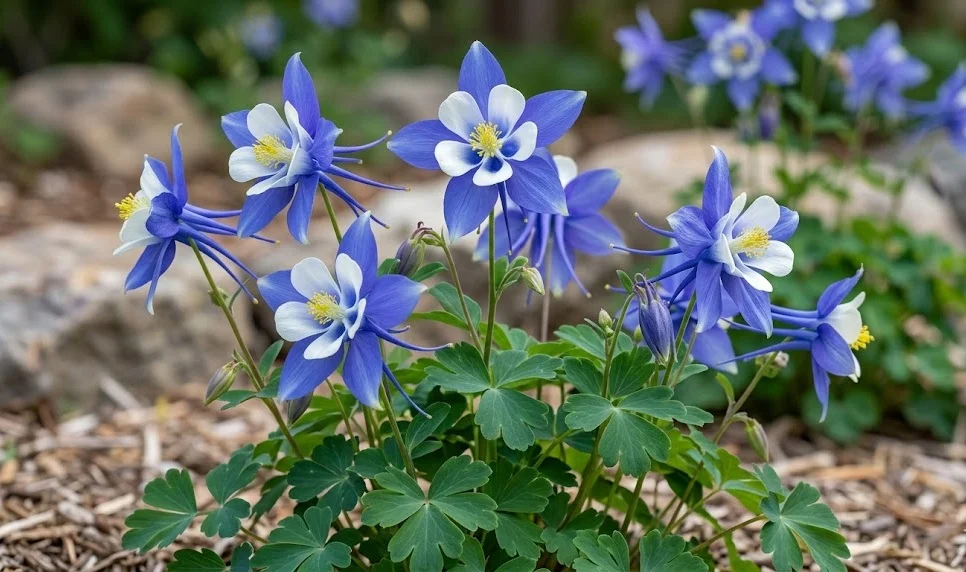
Education and staying current with local gardening news will help you anticipate new threats that might be entering your region. Many invasive pests and emerging diseases are spread through the movement of plants and soil, so being aware of what to look for is your first line of defense. Local agricultural extension offices and gardening clubs are excellent sources of information about the specific challenges facing gardeners in your particular area. The more you know about the potential threats, the better prepared you will be to protect your beautiful blue columbines.