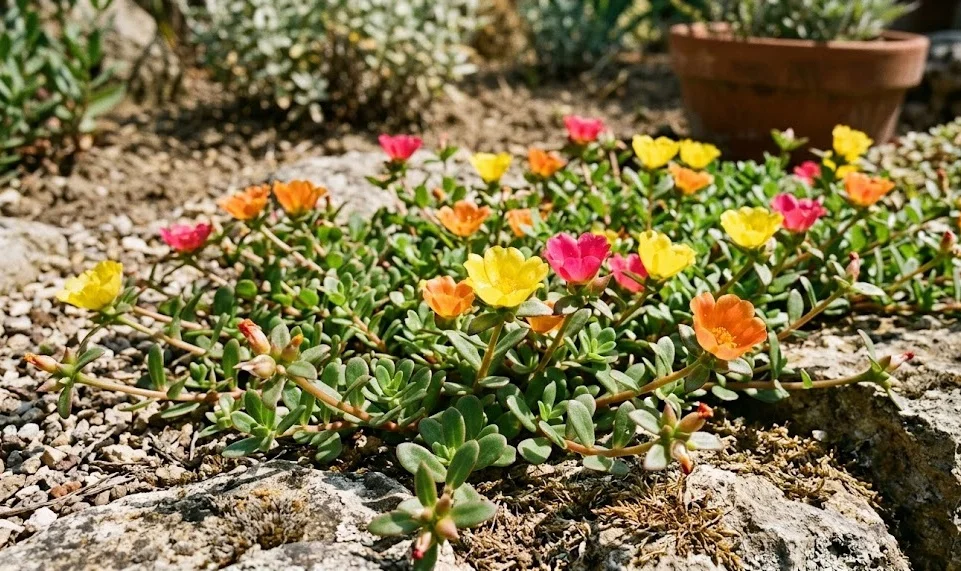

Establishing a new generation of wingpod purslane is a rewarding endeavor that allows gardeners to expand their collection with minimal cost. Whether starting from seeds or utilizing the plant’s remarkable ability to regenerate from cuttings, the process is straightforward yet requires precision. Proper timing and environmental control are the two pillars of successful propagation in a professional setting. By mastering these techniques, you can ensure a consistent supply of healthy, vibrant plants for every growing season.
Seed starting techniques
Growing this species from seed requires a bit of patience and a controlled environment to ensure high germination rates. The seeds are incredibly small, almost like dust, which means they should never be buried deep in the soil. Instead, they should be scattered thinly over the surface of a fine, pre-moistened seed-starting mix. Light is often a requirement for germination, so a very light dusting of fine vermiculite is all that is needed.
Temperature control is vital during the early stages of a seedling’s life. A consistent soil temperature of around 21 to 24 degrees Celsius is ideal for triggering the biological processes within the seed. Many professional growers use heating mats underneath the seed trays to maintain this warmth, especially in early spring. Within seven to ten days, the first tiny green sprouts should begin to emerge from the medium.
Once the seedlings have appeared, they need an abundance of bright light to prevent them from becoming leggy. A sunny windowsill might work, but professional-grade grow lights provide more consistent results. Keep the soil surface slightly moist but never saturated, as the young stems are very susceptible to damping-off disease. Air circulation is critical at this stage to keep the environment fresh and discourage fungal growth.
Thinning the seedlings is a necessary step to ensure that the strongest plants have enough room to develop. When the plants have produced their first set of true leaves, they can be carefully moved into individual small pots. Use a sterile potting medium that provides excellent drainage to support the developing root systems. This transition period is the time to start acclimating the young plants to the conditions they will face outdoors.
More articles on this topic
Propagation through stem cuttings
The fastest and most reliable way to create new wingpod purslane plants is through the use of stem cuttings. Because this plant is a succulent, it has a natural ability to store water and nutrients in its stems, allowing it to survive while roots form. Choose a healthy, non-flowering shoot that is about five to ten centimeters in length for the best results. Using a sharp, sterilized knife or scissors ensures a clean cut that heals quickly.
Before placing the cutting into the soil, it is beneficial to let the cut end callow over for a day or two. This process involves leaving the cutting in a dry, shaded area until the wound has dried and formed a protective barrier. This step significantly reduces the risk of rot once the stem is introduced to the rooting medium. Skipping this phase is the most common reason for failure in succulent propagation.
Once the end is dry, the cutting can be inserted into a mixture of damp sand and perlite. You do not need to use rooting hormones, as this species is naturally inclined to produce roots from its nodes. Place the tray in a bright spot with indirect light, as direct sun can dehydrate the cutting before it has roots. Within two to three weeks, you should feel resistance when gently tugging on the stem, indicating root development.
After a solid root system has formed, the new plants can be transitioned into their permanent containers. Start by exposing them to small amounts of direct sunlight and gradually increase the duration over a week. This “hardening off” process prevents the tender new growth from being scorched by the intense summer sun. Soon, these cuttings will be indistinguishable from the parent plant and ready to bloom.
More articles on this topic
Optimal planting procedures
When the time comes to move your plants into the garden or large containers, the soil temperature must be consistently warm. Wingpod purslane is a tropical plant at heart and will struggle if the ground is still cold from winter. Wait until the danger of frost has completely passed and the nighttime temperatures stay above ten degrees Celsius. Planting too early can stunt the growth of the plant for the entire season.
The planting hole should be just deep enough to accommodate the existing root ball without burying the stem too deep. If the plant is placed too low in the soil, moisture can collect around the base and lead to stem rot. Gently loosen the roots if they have become pot-bound, as this encourages them to spread into the new soil. Firm the soil lightly around the base to eliminate large air pockets while maintaining a porous structure.
Spacing is an important consideration for both aesthetics and the long-term health of the planting bed. These succulents can spread significantly, so leaving about twenty to thirty centimeters between each plant is recommended. This allows each specimen enough room to reach its full potential without competing too heavily for resources. Within a few weeks, the gaps will close as the trailing stems begin to interlace.
Immediately after planting, give the area a thorough but gentle watering to settle the soil. Avoid getting too much water on the foliage, as the focus should be on hydrating the root zone. A light application of a balanced, slow-release fertilizer can be incorporated into the soil at this time. This provides a steady supply of nutrients as the plant establishes itself in its new home.
Selecting the right location
The success of your planting depends heavily on selecting a spot that meets the high light demands of the species. A south-facing location is almost always the best choice for maximizing the daily sun exposure. If the area is even partially shaded for most of the day, the plant will not reach its full flowering potential. Observe the movement of shadows in your garden throughout the day before making a final decision.
Soil drainage is the second most important factor when choosing a permanent location in the ground. Avoid low-lying areas where water tends to pool after a heavy rain, as this is a death sentence for purslane. If your garden has heavy clay soil, consider creating a raised bed or a rock garden to improve the drainage. The physical elevation helps gravity pull excess moisture away from the sensitive root systems.
Wind exposure should also be considered, especially if you are planting in an elevated or coastal area. While the plants are low-growing and sturdy, extremely strong winds can dry out the foliage and brittle stems. A location that offers some protection from the harshest gusts while still receiving full sun is ideal. Natural windbreaks like larger rocks or low walls can provide a perfect microclimate for these succulents.
Finally, think about how the wingpod purslane will interact with other plants in your garden design. It makes an excellent companion for other drought-tolerant species like lavender, sedum, or ornamental grasses. The contrast between the fleshy leaves of the purslane and the fine textures of grasses creates a visually appealing professional landscape. Planning the visual flow of the garden ensures that each plant complements the others.