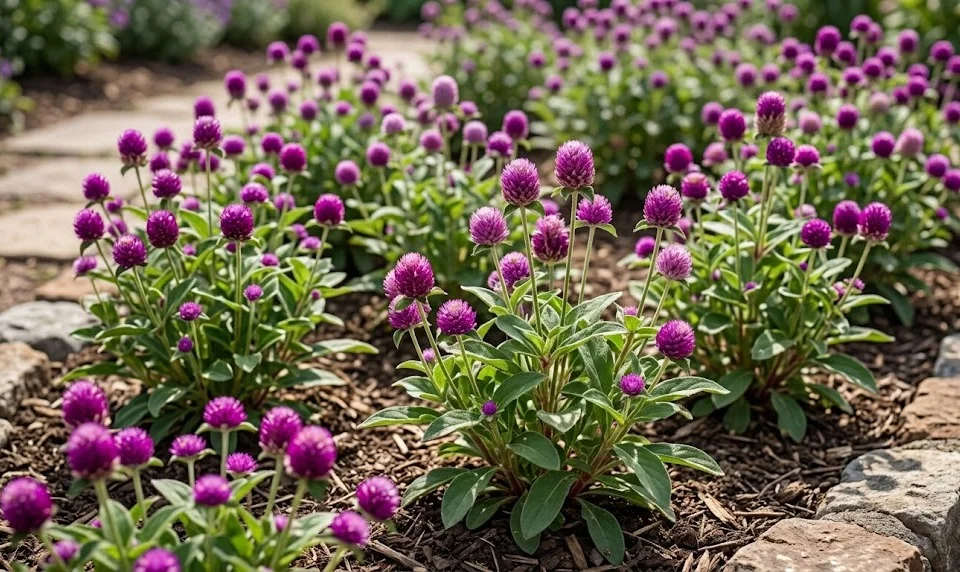

Pests and diseases are rarely a major issue for the globe amaranth, as it is naturally resistant to many common garden problems. Its tough, papery flowers and sturdy stems do not appeal to many of the insects that plague more delicate annuals. However, no plant is completely immune, and staying vigilant can help you catch any potential issues before they become serious. Understanding the most common threats and how to manage them organically is a key part of expert gardening.
The most common problems usually arise from environmental stress rather than from a specific pathogen or pest. Overcrowding, poor air circulation, and excessive moisture are the primary factors that can lead to health issues. By providing the plant with its ideal growing conditions, you are already doing most of the work to prevent diseases. Healthy plants have much stronger natural defenses and can often recover from minor attacks without any intervention.
If you do notice a problem, the first step is always a correct identification of the cause. Treating a fungal issue with an insecticide, for example, will not only be ineffective but could also harm beneficial insects. Take the time to look closely at the affected areas, perhaps using a magnifying glass to check for tiny pests or fungal spores. Once you know what you are dealing with, you can choose the most targeted and least invasive treatment possible.
Integrated Pest Management (IPM) is the best approach for maintaining a healthy and sustainable garden ecosystem. This involves using a combination of cultural practices, biological controls, and as a last resort, targeted treatments. Encouraging natural predators like ladybugs and lacewings can help keep pest populations under control without the need for chemicals. A balanced garden is naturally more resilient to the occasional pest or disease outbreak.
Identifying common insect pests
Aphids are one of the few insects that might occasionally take an interest in the soft, new growth of the globe amaranth. These tiny, sap-sucking pests can cause the leaves to curl or become distorted if they appear in large numbers. They also produce a sticky substance called honeydew, which can lead to the growth of sooty mold on the foliage. Fortunately, a strong spray of water from a garden hose is often enough to dislodge them and keep their numbers down.
More articles on this topic
Spider mites are another potential threat, particularly during hot and dry spells in the middle of summer. These microscopic pests live on the undersides of the leaves and suck the moisture out of the plant cells. You might notice fine webbing between the stems or a stippled, dusty appearance on the surface of the leaves. Increasing the humidity around the plants and ensuring they are well-hydrated can help discourage spider mites from moving in.
Occasionally, caterpillars or grasshoppers might take a few bites out of the foliage, but they rarely cause significant damage. If you see large holes in the leaves, you can usually find the culprit nearby and move it to a different part of the garden. Unless there is a major infestation, there is no need to use any kind of pesticide for these occasional visitors. The plant is vigorous enough to quickly outgrow any minor leaf damage caused by chewing insects.
Thrips are tiny, slender insects that can sometimes feed on the developing flower buds, causing them to look scarred or discolored. They are very difficult to see with the naked eye, but their damage is quite distinctive once you know what to look for. If you suspect thrips, you can try using blue or yellow sticky traps to monitor their presence in the garden. Most of the time, the damage is purely cosmetic and does not affect the overall health of the plant.
Recognizing fungal and bacterial diseases
Powdery mildew is perhaps the most frequent disease seen on globe amaranth, appearing as a white, flour-like dusting on the leaves. It thrives in humid conditions with poor air circulation, especially when the nights are cool and the days are warm. While it looks unsightly, it rarely kills the plant, though it can weaken it over time if left untreated. Improving the spacing between plants and watering only at the base can significantly reduce the risk of mildew.
More articles on this topic
Root rot is a much more serious issue that is almost always caused by overwatering or poorly draining soil. The symptoms include a general wilting of the plant that does not improve after watering, followed by a yellowing and eventual collapse of the stems. If you suspect root rot, check the base of the plant for any signs of mushiness or a foul smell. Unfortunately, once a plant is severely affected by root rot, it is usually best to remove it and improve the soil conditions before replanting.
Leaf spot diseases can sometimes occur during long periods of rainy or overcast weather. These appear as small, dark spots on the foliage that may eventually merge and cause the entire leaf to turn brown. Removing any affected leaves and ensuring the remaining foliage can dry quickly after rain will help prevent the spread. These fungal issues are usually temporary and will clear up once the weather becomes sunny and dry again.
Bacterial wilt is a rare but devastating disease that can cause the entire plant to collapse suddenly. It is often spread by contaminated tools or by insects that carry the bacteria from one plant to another. There is no cure for bacterial wilt, so the best strategy is to remove and destroy any infected plants immediately. Maintaining clean gardening tools and practicing crop rotation can help prevent this and other soil-borne diseases from becoming a permanent problem.
Organic control and prevention
The best way to manage pests and diseases is to prevent them from occurring in the first place through good garden hygiene. Clearing away dead leaves and debris at the end of the season removes overwintering sites for many pests and pathogens. This simple task can make a huge difference in the health of your garden the following year. Being proactive with your cleanup is one of the most effective tools in your gardening arsenal.
If a treatment is necessary, there are many effective organic options that are safe for both you and the environment. Neem oil is a versatile product that can help control a wide range of both pests and fungal issues. It works by disrupting the life cycle of insects and creating a protective barrier on the surface of the leaves. Always follow the instructions on the label and apply it during the cooler parts of the day to avoid leaf burn.
Insecticidal soaps are another great option for dealing with soft-bodied pests like aphids and spider mites. They work on contact, so you must ensure that you spray both the tops and bottoms of the leaves for the best results. These soaps break down quickly and do not leave any harmful residues in the garden. They are a targeted solution that minimizes the impact on non-target insects like bees and butterflies.
Homemade remedies can also be effective for minor issues, such as a simple baking soda spray for powdery mildew. Mixing a teaspoon of baking soda with a quart of water and a few drops of dish soap can help change the pH on the leaf surface, making it less hospitable to fungi. Experimenting with these gentle methods allows you to maintain a beautiful garden without relying on harsh chemicals. It is a more thoughtful and sustainable way to approach plant care.
Early detection and monitoring
Getting into the habit of walking through your garden every few days is the best way to stay on top of any potential issues. Look closely at the new growth, the undersides of leaves, and the developing flower buds for anything unusual. Catching a small colony of aphids or the first sign of mildew early makes management much easier. This regular interaction also helps you become more in tune with the natural cycles of your plants.
Using a small hand lens can reveal a whole world of activity that you might otherwise miss. It allows you to distinguish between a harmless visitor and a potential pest that needs attention. It also helps you appreciate the intricate beauty of the flowers and the complex ecosystem that exists within your garden. Monitoring is not just a chore; it is an opportunity to learn and grow as a gardener.
Keep a simple garden journal to record when you first see certain pests or diseases each year. This information can help you anticipate problems in the future and take preventative measures at the right time. You might notice, for example, that powdery mildew always appears after a particular week of humid weather. Having this historical data makes you a much more effective and prepared manager of your garden space.
Remember that a few holes in a leaf or a slightly discolored stem is not a cause for alarm. Perfection is rarely found in nature, and a healthy garden will always have a certain level of insect activity. Focus on the overall vigor and productivity of the plants rather than on minor cosmetic imperfections. By maintaining a balanced perspective, you can enjoy the beauty of your globe amaranth without unnecessary stress.