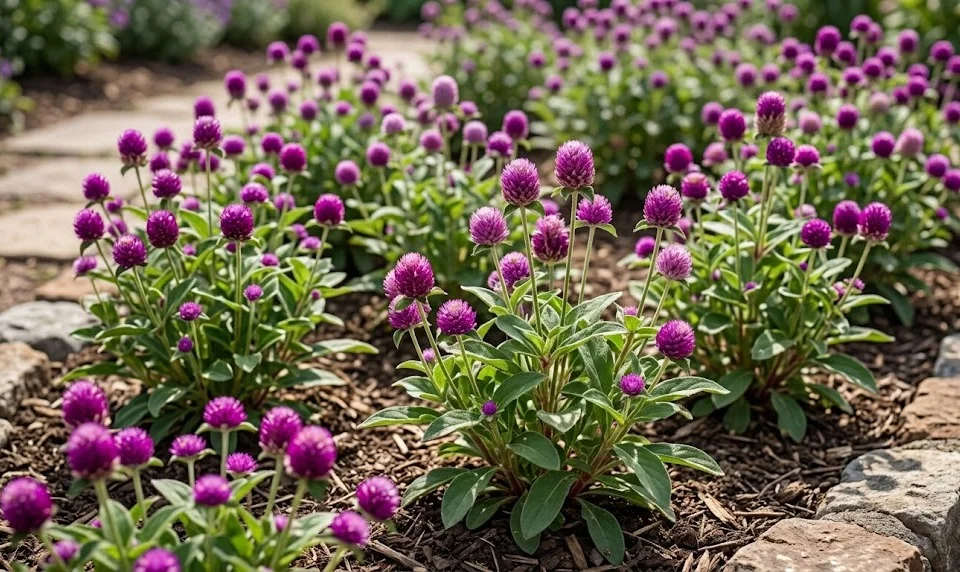

Watering and fertilizing the globe amaranth correctly is essential for maintaining its health and maximizing flower production. While this plant is famous for its drought tolerance, providing consistent moisture during key growth stages will yield much better results. Similarly, while it can grow in poor soils, a strategic approach to nutrition ensures that the stems remain strong and the colors stay vibrant. Balancing these two elements requires an understanding of the plant’s natural habitat and its seasonal needs.
When the plants are young and just becoming established, they require more frequent watering than mature specimens. Their root systems are still shallow and can dry out quickly during a hot, sunny afternoon. Aim to keep the soil evenly moist but never saturated, as young roots are sensitive to excess water. Once you see significant new growth, you can slowly begin to reduce the frequency of your watering routine.
Fertilizing should also be handled with a “less is more” philosophy to avoid excessive foliage growth at the expense of flowers. If the soil was well-prepared with organic matter before planting, you might not need much additional fertilizer at all. However, a light application of a balanced, slow-release product can provide a steady supply of nutrients throughout the summer. Monitoring the plant’s appearance will help you decide when a little extra boost might be beneficial.
Professional gardeners often use the appearance of the foliage as a guide for both watering and feeding. If the leaves look dull or begin to droop slightly, it is usually a sign that the plant is thirsty. If the growth seems stunted or the leaves are pale, it might indicate a lack of essential nutrients in the soil. By paying close attention to these signals, you can adjust your care routine to meet the specific needs of your garden.
Mastering the watering routine
As the globe amaranth matures, its deep taproot allows it to access moisture from further down in the soil profile. This is why it can survive periods of drought that would cause other annuals to wither and die. However, for the most prolific blooming, it is best to provide a deep soaking once or twice a week during dry spells. This encourages the roots to grow even deeper, making the plant more resilient in the long run.
More articles on this topic
The best time to water is in the early morning hours before the sun becomes too intense. This allows the moisture to soak into the ground and reach the roots before it has a chance to evaporate. It also ensures that any water that gets on the leaves has time to dry off quickly, which helps prevent fungal issues. If morning watering isn’t possible, late afternoon is the next best choice, provided the foliage can dry before nightfall.
Avoid frequent, shallow watering as this encourages the roots to stay near the surface where they are more vulnerable to heat. A thorough, deep watering is much more effective and mimics the natural rainfall patterns the plant is adapted to. You can check the soil moisture by inserting your finger a few inches into the ground; if it feels dry, it’s time to water. This hands-on approach is much more reliable than following a strict calendar schedule.
Drip irrigation or soaker hoses are excellent tools for delivering water directly to the base of the plants. This method minimizes water waste and keeps the flowers and leaves dry, which preserves the quality of the blooms. If you are watering by hand, try to aim the stream at the soil rather than over the top of the plants. Efficiency in watering not only saves resources but also promotes a healthier growing environment.
Nutritional requirements and timing
The nutritional needs of this species are relatively modest, making it an easy plant to manage from a fertilization standpoint. A balanced fertilizer with equal parts nitrogen, phosphorus, and potassium is usually sufficient for general health. Phosphorus is particularly important as it supports the development of strong roots and vibrant, numerous flower heads. Avoid fertilizers that are extremely high in nitrogen, as this can lead to lush green growth with very few flowers.
More articles on this topic
The first application of fertilizer can be done about a month after transplanting, once the plants have settled into their new home. This provides a baseline of nutrients as the plant enters its most active growth phase. If you are using a liquid fertilizer, apply it at half the recommended strength to avoid burning the sensitive roots. A little bit of nutrition goes a long way with these hardy plants, so there is no need to overdo it.
Mid-season is a good time to assess whether a second application is necessary to sustain the blooming through the autumn. If the plants are still growing vigorously and flowering well, you might choose to skip this step entirely. However, if the bloom production seems to be slowing down, a light boost can help rejuvenate the plant. Always water the soil thoroughly before and after applying fertilizer to help the nutrients reach the roots and prevent salt buildup.
Organic options like compost tea or fish emulsion are also excellent choices for those who prefer a more natural approach. These products provide a wide range of micronutrients and improve the overall biological health of the soil. They are generally gentler on the plants and the environment, making them a popular choice for sustainable gardening. Whichever product you choose, the key is consistency and moderation.
Managing soil moisture levels
Soil type significantly influences how often you will need to water your garden beds. Sandy soils drain very quickly and will require more frequent attention than heavier clay or loamy soils. Understanding your specific soil structure allows you to tailor your watering routine to ensure the plants are never stressed. Adding organic matter to sandy soil can help improve its water-holding capacity over time.
Mulching is a fantastic strategy for maintaining consistent soil moisture levels throughout the heat of the summer. A two-inch layer of organic mulch acts like a blanket, keeping the soil cool and reducing evaporation from the surface. As the mulch breaks down, it also adds valuable nutrients back into the ground, benefiting the plants in multiple ways. It is a simple step that pays off significantly in terms of plant health and reduced maintenance.
In very rainy seasons, the challenge might be managing too much moisture rather than too little. If the soil remains saturated for days, the roots may begin to suffer from a lack of oxygen, which can lead to rot. Ensuring that your planting beds have good drainage is the best defense against these conditions. If you notice standing water, you might need to reconsider the placement of your plants or improve the soil structure.
Container-grown plants require a different approach because the limited soil volume dries out much faster. In the peak of summer, you might find that your pots need watering every single day, especially if they are in full sun. Check the moisture level regularly and ensure the pots are heavy with water but not sitting in a saucer of liquid. Consistent monitoring is the only way to keep container plants thriving during extreme weather.
Signs of over and under fertilization
Being able to read the signs of nutritional imbalance is a key skill for any successful gardener. Over-fertilization often manifests as extremely dark green leaves that are soft and succulent, making them more attractive to pests. You might also notice that the plant is growing very tall and floppy, requiring support that it wouldn’t normally need. If this happens, stop fertilizing immediately and flush the soil with plain water to remove excess salts.
Under-fertilized plants, on the other hand, will often appear stunted and have thin, weak stems. The leaves may turn a yellowish color, starting from the bottom of the plant and moving upward. The most obvious sign is a significant reduction in the number and size of the flower heads produced. If you see these symptoms, a light application of a balanced fertilizer can often correct the issue within a few weeks.
Sometimes, a lack of certain micronutrients can cause specific symptoms like distorted leaves or unusual coloring. While this is rare in well-maintained garden soil, it is something to keep in mind if general fertilizers don’t seem to help. A specialized soil test can provide a detailed breakdown of exactly what is missing from your garden. Most of the time, however, a standard approach to nutrition is more than enough for the globe amaranth.
In summary, the goal is to provide a stable environment where the plant can grow at its own natural pace. By avoiding the extremes of both watering and fertilizing, you create a resilient and beautiful garden display. The globe amaranth will reward your balanced care with a season full of stunning, long-lasting flowers. Trust your observations and adjust your techniques as you get to know the specific needs of your plants.