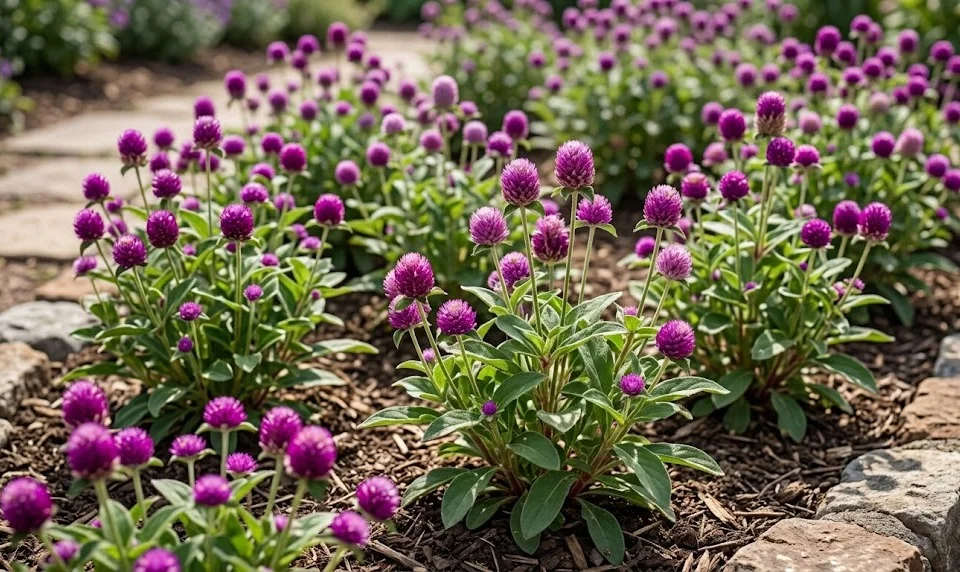

Overwintering the globe amaranth is an interesting challenge for gardeners who want to preserve their favorite specimens beyond a single season. In most temperate climates, this plant is treated as an annual because it cannot survive freezing temperatures. However, because it is technically a short-lived perennial in its native tropical environment, it is possible to keep it alive indoors. This process requires a bit of extra effort but can be a rewarding way to get a head start on the following spring.
The most important factor in successful overwintering is timing the move before the first hard frost occurs. Even a light frost can damage the sensitive tissues of the plant and make it much harder for it to recover indoors. Monitor the local weather forecasts closely as autumn progresses and be ready to act when temperatures begin to dip. Moving the plants while they are still healthy and vigorous gives them the best chance of surviving the winter.
Choosing the right plants to overwinter is also a key part of the strategy. Look for specimens that are compact, healthy, and free from any signs of pests or disease. Large, overgrown plants can be more difficult to manage indoors and may not transition as well to the lower light levels. You might also consider taking cuttings in late summer to create smaller, more manageable plants for the winter months.
Preparing an indoor space that meets the plant’s needs during its dormant or semi-dormant phase is essential. It will need a spot that is bright but not necessarily as hot as its summer home in the garden. A cool, sun-lit room or a basement with supplemental grow lights can work well, depending on your available space. Understanding that the plant’s growth will slow down significantly during this time is the first step in adjusting your care routine.
Preparing the plants for indoors
Before bringing any plant inside, it is crucial to perform a thorough cleaning and inspection to avoid introducing pests into your home. Wash the foliage gently with a spray of water and check the soil for any unwanted visitors like ants or grubs. If you find any pests, treat the plant with an organic solution and wait a few days before moving it indoors. This step is vital for protecting your other houseplants from potential infestations.
More articles on this topic
Pruning the plant back by about one-third can help it manage the transition by reducing the amount of foliage it needs to support. This also makes the plant more compact and easier to fit onto a windowsill or a plant shelf. Use clean, sharp shears to make clean cuts just above a leaf node, which will encourage new growth in the spring. Removing any remaining flower heads also allows the plant to focus its energy on survival rather than reproduction.
If the plant is currently in the ground, you will need to carefully dig it up and move it into a container. Use a pot that is just slightly larger than the root ball and fill it with a fresh, well-draining potting mix. Try to keep as much of the original soil around the roots as possible to minimize transplant shock. Once potted, water the plant thoroughly and keep it in a shaded spot for a few days before bringing it inside.
For plants that are already in containers, the transition is much simpler and involves less risk to the root system. You might still want to refresh the top few inches of soil or move the plant to a slightly larger pot if it has become crowded. Clean the outside of the container thoroughly to remove any dirt or garden debris before setting it on its indoor saucer. This keeps your indoor gardening area tidy and professional.
Indoor care and maintenance
Once indoors, the most significant change for the plant will be the reduction in light intensity and duration. Even a very sunny window provides only a fraction of the energy that the plant receives outdoors. To compensate, place the plant in the brightest spot available, ideally a south-facing window. If you notice the plant becoming leggy or stretching towards the light, you may need to add a small LED grow light.
More articles on this topic
Watering requirements will change dramatically during the winter months as the plant’s growth slows down. The cooler indoor temperatures and lower light levels mean the soil will stay moist for much longer than it did outside. Always check the soil moisture with your finger before adding more water; the top inch should be dry. Overwatering is the most common cause of failure when overwintering plants, as it quickly leads to root rot.
Stop fertilizing the plant during the winter, as it does not need the extra nutrients while it is not actively growing. Adding fertilizer now can actually stress the plant by forcing it to produce weak, spindly growth that it cannot sustain. Wait until you see signs of vigorous new growth in the late spring before you resume a regular feeding schedule. This period of rest is a natural part of the plant’s life cycle and should be respected.
Keep the plant away from cold drafts or direct heat sources like radiators or air vents. The fluctuating temperatures can stress the plant and cause it to drop its leaves or become more susceptible to pests. A consistent, moderate temperature is best for maintaining its health throughout the long winter months. If the air in your home is very dry, you might occasionally mist the foliage or use a humidity tray to provide a more comfortable environment.
Managing the spring transition
As the days grow longer and the temperatures begin to rise in early spring, you will notice the plant starting to wake up. New, bright green leaves will begin to emerge from the stems, signaling that it is time to increase your care. You can slowly begin to water more frequently and move the plant back into a more active growth phase. This is an exciting time as you see the results of your overwintering efforts.
Before moving the plant back outside, it is essential to repeat the hardening-off process that you used for seedlings. Start by placing the plant in a protected, shady spot for just an hour or two during the warmest part of the day. Gradually increase its exposure to the sun and wind over the course of ten days to two weeks. This allows the leaves to thicken up and adjust to the much higher light levels of the outdoors.
You might want to give the plant another light pruning in the spring to remove any winter-damaged stems and shape its growth. This is also the perfect time to give it its first light application of fertilizer to fuel the upcoming blooming season. If the plant has become root-bound in its winter pot, consider moving it to a larger container or back into the garden bed. A fresh start in good soil will ensure it reaches its full potential.
The reward for successfully overwintering is a much larger and more robust plant than you could ever get from a spring seedling. It will start blooming earlier and have a more complex branch structure, providing an even more impressive display. You can repeat this process year after year with your favorite specimens, creating a sense of continuity in your garden. It is a wonderful way to deepen your connection with your plants and the seasonal cycles of nature.