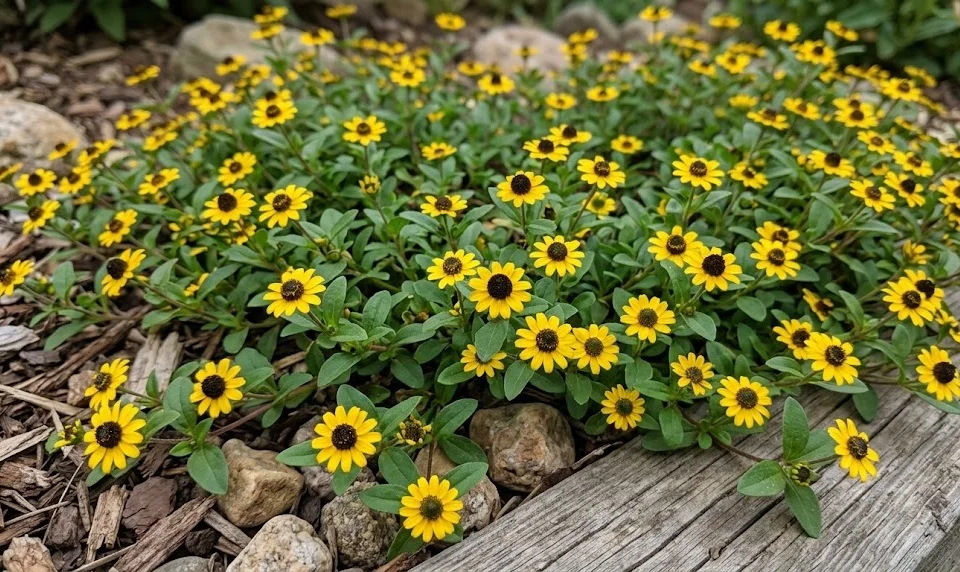

Establishing a successful stand of creeping zinnia begins with a clear strategy for planting and a solid understanding of its reproductive methods. This plant is most commonly grown from seeds, which are relatively easy to handle and germinate under the right conditions. Whether you choose to start them indoors to get a head start on the season or sow them directly into the garden soil, timing is everything. By following a professional approach to propagation, you can ensure a lush and colorful ground cover that lasts all summer long.
Starting seeds indoors
For those living in regions with shorter growing seasons, starting seeds indoors is a highly effective way to enjoy early blooms. You should begin this process about six to eight weeks before the expected last frost in your local area. Use a high-quality seed-starting mix that is sterile and fine-textured to give the tiny seeds the best possible start. Shallow trays or individual peat pots work well, as they allow for easy monitoring and eventual transplantation.
Sow the seeds thinly on the surface of the moist soil and cover them with only a very light dusting of the mix. Since these seeds require a bit of light to germinate properly, you must be careful not to bury them too deeply in the tray. Maintaining a consistent temperature of around seventy degrees Fahrenheit will encourage the fastest and most uniform germination. You can use a heat mat designed for plants if your indoor environment tends to be on the cooler side during the spring.
Once the seedlings emerge, they will need a very bright light source to prevent them from becoming weak and spindly. A south-facing window can work, but supplemental grow lights are often necessary to provide the intensity they truly require. Keep the soil consistently moist but never saturated, using a spray bottle to avoid disturbing the young plants. As they develop their first set of true leaves, you can begin to thin them out to ensure each plant has enough space.
Before these young zinnias can go outside, they must undergo a process called hardening off to prepare them for the elements. This involves placing them outdoors in a sheltered spot for a few hours each day, gradually increasing their exposure. This step is vital because it toughens the plant tissues and prevents transplant shock once they are moved to the garden. Skipping this transition period often results in stunted growth or even the loss of the delicate seedlings.
More articles on this topic
Direct sowing in the garden
If you prefer a simpler approach, direct sowing into the garden beds is a perfectly viable and often preferred method for many. You should wait until all danger of frost has passed and the soil has warmed up significantly before beginning this task. Clear the planting area of any weeds or debris and rake the soil surface until it is smooth and level. This creates an ideal bed for the seeds to make good contact with the earth, which is essential for success.
Scatter the seeds evenly over the prepared area, aiming for a density that will eventually lead to a solid carpet of flowers. Just like with indoor sowing, do not bury the seeds deeply; a light pressing into the soil surface is usually all that is required. If the weather is dry, you will need to mist the area regularly to keep the surface moist until germination occurs. You might notice the first green shoots appearing within ten to fourteen days if the conditions remain favorable.
Thinning the seedlings is a necessary step that many gardeners find difficult, but it is essential for the health of the plants. If they are crowded too closely together, they will compete for resources and become more susceptible to mildew or other issues. Aim for a final spacing of about six to eight inches between individual plants to allow for their natural spreading habit. This space will be filled in quickly as the plants mature and start to crawl across the ground.
One advantage of direct sowing is that the plants develop a very strong and deep root system from the very beginning. They do not have to deal with the stress of transplantation, which can sometimes set back the growth of indoor-started plants. Direct-sown zinnias often catch up to their indoor counterparts by mid-summer due to their uninterrupted growth cycle. This method is particularly well-suited for large areas where manual planting of individual starts would be too labor-intensive.
More articles on this topic
Propagation through stem cuttings
While seeds are the most common method, you can also multiply your creeping zinnia plants through stem cuttings during the growing season. This is a great way to create new plants for containers or to fill in any unexpected gaps in your flower beds. Look for healthy, non-flowering stems that are several inches long and have multiple sets of leaves. Using a sharp, clean pair of scissors or a knife will ensure a clean cut that heals quickly.
Remove the leaves from the bottom half of the cutting to expose the nodes where the new roots will eventually form. You can dip the cut end into a rooting hormone powder to speed up the process, although this plant roots quite easily without it. Insert the cutting into a small pot filled with a moist, sandy potting mix or a mixture of perlite and peat. Firm the soil gently around the stem to ensure there are no large air pockets that could dry out the tissues.
Place the potted cuttings in a warm area with bright but indirect light, as direct sun can be too stressful for a rootless stem. Covering the pot with a clear plastic bag can help maintain high humidity, which prevents the cutting from wilting while it works on growing roots. You should start to see signs of new growth within two to three weeks, indicating that the rooting process has been successful. Once they are well-rooted, you can begin to treat them like normal seedlings and move them to their final location.
This method allows you to clone specific plants that you find particularly attractive or vigorous in your own garden. It is also a fun way to share your favorite varieties with friends or neighbors without having to wait for seeds to mature. Propagation by cuttings can be done at almost any time during the active growing season as long as the parent plant is healthy. It provides a level of flexibility that seed starting cannot always offer, especially later in the summer months.
Site preparation and transplanting
When it comes time to move your plants into their permanent positions, the quality of the site preparation will dictate their future success. Start by digging a hole that is twice as wide as the root ball but no deeper than the container the plant is currently in. If the soil is particularly poor, mixing in a handful of organic compost at the bottom of the hole can provide a helpful boost. Always handle the young plants gently by the root ball rather than the stems to avoid causing any physical damage.
Place the plant in the center of the hole and fill in the surrounding space with soil, tamping it down lightly with your hands. It is important to ensure the plant sits at the same depth as it was in its original pot to avoid stem rot. Once all the plants are in place, give them a deep and thorough watering to settle the soil around the roots. This initial hydration is critical for helping the roots establish themselves in their new environment as quickly as possible.
If you are planting a large area, using a staggered or “zigzag” pattern can help create a more natural and filled-in look. This allows the spreading stems to interlock more effectively, forming a seamless carpet of foliage and flowers. Keep a close eye on the transplants for the first week, ensuring they do not dry out during the critical establishment phase. If the sun is particularly intense, providing some temporary shade for the first day or two can be very beneficial.
Proper spacing is key to preventing future problems with overcrowding and poor air circulation. While it might look a bit sparse at first, remember that each creeping zinnia can spread up to twelve or fifteen inches wide. Trusting in the plant’s natural growth habit will lead to a healthier and more sustainable garden in the long run. By giving them the right start, you set the stage for a spectacular display that will be the envy of the neighborhood.