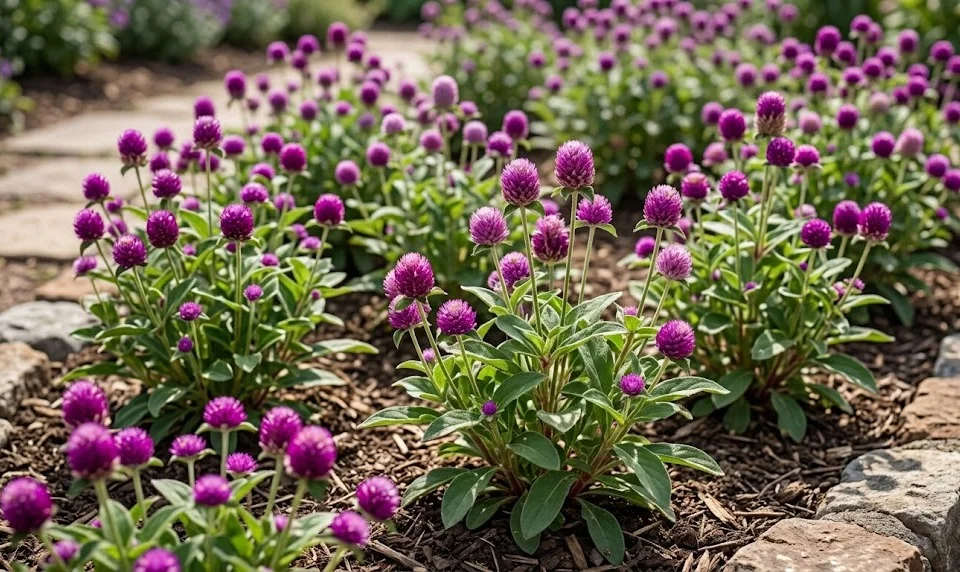

Caring for the globe amaranth involves understanding its resilient nature and its origins in warmer climates. This plant is widely appreciated for its clover-like flower heads that maintain their vibrant color long after being cut. Gardeners often choose this species because it can withstand difficult conditions with minimal intervention. Establishing a consistent care routine will ensure that the blooms remain prolific throughout the entire growing season.
Successful cultivation starts with recognizing that this plant thrives on heat and requires very little pampering. It is an ideal choice for both novice gardeners and experts who want a low-maintenance yet striking addition to their borders. The plant’s architectural form and clover-like textures provide a unique aesthetic that complements many other annuals. Once the root system is established, the plant becomes remarkably self-sufficient in most garden settings.
The soil environment plays a critical role in the long-term health of these colorful annuals. They prefer well-draining soil that does not hold excessive moisture around the root zone for extended periods. While they can tolerate poor soil quality, adding a bit of organic matter can improve the overall flower production. It is important to avoid overly heavy clay soils that might lead to root issues during rainy seasons.
Spacing is another vital factor that determines how well the plant develops its bushy habit. Proper air circulation between the stems helps prevent any potential foliage issues caused by humidity. Aim for a distance of about twelve inches between each plant to allow them room to spread. This spacing also makes it easier to navigate the garden for routine inspections and flower harvesting.
Understanding the plant growth cycle
The growth cycle of this species is relatively straightforward, starting with a rapid vegetative phase followed by continuous blooming. As the temperatures rise in late spring, the plant puts on significant height and begins forming its first buds. These buds eventually open into the stiff, papery bracts that we recognize as the primary floral attraction. Understanding this progression helps gardeners time their maintenance tasks for maximum visual impact.
More articles on this topic
During the peak of summer, the plant reaches its full potential and becomes a focal point in the landscape. The stems become sturdy enough to support the weight of multiple flower heads without drooping. At this stage, the plant is highly efficient at utilizing available resources to sustain its reproductive cycle. Observing the transition from green shoots to colorful spheres is one of the most rewarding aspects of growing this variety.
As autumn approaches, the plant will continue to produce new flowers until the first significant frost occurs. The intensity of the flower color often deepens as the days grow shorter and the nights become cooler. This late-season performance makes it a valuable asset for extending the garden’s visual appeal into the colder months. Many gardeners appreciate how the flowers remain intact even as the rest of the garden begins to fade.
Finally, the plant will eventually succumb to freezing temperatures, completing its annual life cycle in most temperate regions. In its native tropical habitats, it might behave differently, but for most of us, it is a seasonal delight. Collecting seeds at the end of the cycle is a common practice to ensure a new generation for the following year. This natural conclusion allows for a fresh start and a reconfiguration of the garden beds each spring.
Optimal environmental conditions
The success of your gardening efforts depends largely on matching the plant with its preferred environmental stressors. High temperatures are not a problem for this species; in fact, it performs best when the sun is at its strongest. It is native to regions where heat is a constant, so it has evolved mechanisms to deal with intense radiation. Providing a spot that captures the full heat of the day will result in the most robust growth.
More articles on this topic
Humidity levels can influence the health of the foliage, although the plant is generally quite adaptable. In very humid climates, it is even more important to ensure that the soil remains well-drained. The plant’s leaves are somewhat susceptible to powdery mildew if they stay wet for too long in stagnant air. Finding a balance between a sunny location and one with a gentle breeze is often the perfect solution.
Wind resistance is an underrated quality of this particular species that many horticulturists appreciate. The stems are surprisingly tough and do not snap easily during summer storms or gusty afternoons. This makes them suitable for open fields or exposed garden beds where other more delicate flowers might struggle. You won’t usually need to provide any staking or physical support for the mature plants.
Soil pH is another factor that can be monitored, though the plant is not overly sensitive to slight variations. It tends to perform best in neutral to slightly acidic soil conditions common in most residential gardens. If you are unsure about your soil quality, a simple test can provide peace of mind before planting. Adjusting the soil slightly with lime or sulfur is rarely necessary but can be done if extreme conditions exist.
Managing the bloom period
To keep the display looking fresh, it is helpful to understand the anatomy of the flower itself. What we see as the “flower” is actually a collection of colorful bracts, while the true flowers are tiny and tucked inside. These bracts are very durable and do not wilt in the same way that soft-petaled flowers do. This durability is why they are so popular for dried flower arrangements and professional floral design.
Regularly harvesting the blooms for indoor use actually encourages the plant to produce even more flowers. When you cut a stem, the plant redirects its energy into the side buds, creating a bushier appearance. This creates a continuous cycle of renewal that keeps the garden looking vibrant for months. It is one of the few plants where taking more actually leads to having more in the long run.
Monitoring the color intensity of the bracts can tell you a lot about the health of the plant. If the colors seem faded, it might be an indication that the plant is reaching the end of its natural cycle or needs a boost. However, usually, the color remains steadfast from the moment the bud opens until it is harvested. This consistency is a major selling point for landscaping projects that require reliable color blocks.
In the height of summer, you might notice that the number of pollinators visiting the plants increases significantly. Butterflies and bees are naturally drawn to the nectar found within the small, inconspicuous true flowers. This makes the globe amaranth an excellent choice for a wildlife-friendly garden or a dedicated pollinator patch. Watching the local ecosystem interact with your plants adds another layer of enjoyment to the gardening experience.
Soil quality and preparation
Preparing the ground before the growing season starts can make a significant difference in the final results. Loosening the soil to a depth of about eight inches allows the roots to penetrate deeply and establish a strong base. Mixing in a small amount of finished compost provides a slow-release source of nutrients for the early growth stages. This preparation ensures that the young seedlings have everything they need to transition into the garden environment.
Drainage remains the most critical aspect of soil preparation for this specific variety. If your garden has heavy soil, consider building raised beds or adding coarse sand to improve the structure. The roots need oxygen as much as they need water, and compacted soil can suffocate them. A well-prepared bed will save you a lot of trouble later in the season when heavy rains occur.
Mulching around the base of the plants can help regulate soil temperature and suppress competing weeds. Use a light layer of organic mulch like shredded bark or straw to keep the roots cool during extreme heat waves. Be careful not to pile the mulch directly against the stems, as this can trap moisture and cause rot. A thin layer is usually sufficient to provide the benefits without creating any additional risks.
If you are planting in containers, use a high-quality potting mix designed for flowering plants. Containers tend to dry out faster and lose nutrients more quickly than the ground, so keep this in mind. Ensure the pots have adequate drainage holes at the bottom to prevent water from pooling. This flexibility allows you to move the plants around to capture the best light throughout the season.
Seasonal maintenance tasks
As the season progresses, your role shifts from preparation to light maintenance and observation. Weeding is perhaps the most frequent task, especially when the plants are still small and establishing themselves. Once the globe amaranth reaches its full size, its dense foliage will naturally shade out many potential weed seeds. Staying on top of the weeds early on will prevent them from competing for water and nutrients.
Monitoring the weather forecast can help you anticipate when the plants might need a little extra attention. During periods of extreme drought, a supplemental deep watering can help maintain the quality of the blooms. Conversely, if a long period of rain is expected, you might want to check that the drainage is still functioning correctly. Being proactive with these small checks keeps the plants in peak condition.
Late summer is a great time to assess which varieties performed best in your specific microclimate. You might find that certain colors or heights work better in your landscape design than others. Taking notes or photos during this time will help you plan your garden for next year. The globe amaranth is quite consistent, but every garden has its own unique set of growing conditions.
Cleanliness in the garden is often overlooked but is very important for preventing the spread of any issues. Removing any fallen or decaying foliage from the base of the plants keeps the area tidy and reduces hiding spots for pests. It also improves the overall aesthetic of the garden bed, making the vibrant flowers stand out even more. A quick weekly walkthrough is usually all that is needed to keep things in order.
Long term health strategies
Ensuring the longevity of your plants throughout the entire summer involves a holistic approach to garden health. By focusing on the plant’s natural strengths, you minimize the need for chemical interventions or complex treatments. The globe amaranth is naturally hardy, so providing the basic requirements of sun and drainage is usually enough. Trusting the plant’s ability to thrive will lead to a more relaxed and enjoyable gardening experience.
Diversity in your planting schemes can also contribute to the overall health of each individual species. Mixing globe amaranth with other sun-loving annuals and perennials creates a more resilient ecosystem. This diversity can help confuse pests and provide a wider range of resources for beneficial insects. A balanced garden is often a healthy garden, and this plant fits perfectly into many different combinations.
If you notice any stems that look particularly weak or diseased, it is best to remove them immediately. This simple act of sanitation prevents any localized issues from spreading to the rest of the healthy plant. Use clean, sharp shears to make precise cuts and dispose of the material away from your compost pile. Maintaining high standards of plant hygiene is a hallmark of an expert gardener.
Finally, remember that the goal of gardening is to create a space that brings joy and beauty to your environment. The globe amaranth is a loyal companion in this endeavor, providing reliable color with very little demand. Whether you are growing them for cutting, for the bees, or just for the view, they are a fantastic choice. Enjoy the process and the stunning results that these simple plants can provide.