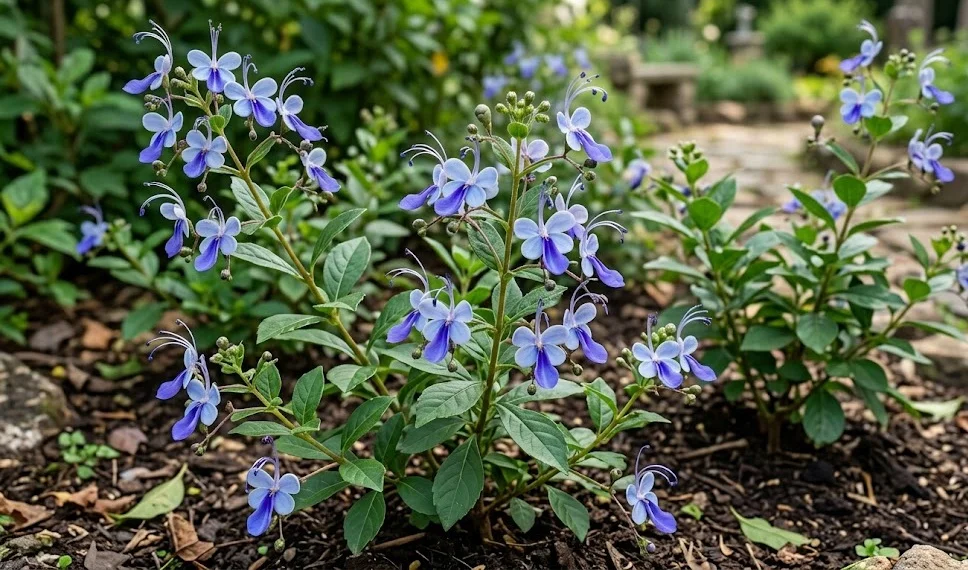

Preparing your plant for the cold season is a vital task that ensures its survival in climates where frost is common. You must act before the first freezing temperatures arrive to protect the sensitive tissues of this tropical species from damage. Moving the plant to a sheltered location or providing adequate insulation is the main objective of a successful overwintering strategy. With the right preparation, your butterfly bush will emerge from its winter rest ready for a new season of vibrant growth.
The process of overwintering begins in late autumn when the days start to shorten and the air becomes noticeably cooler. You should gradually reduce the amount of water you provide as the plant’s metabolism slows down in response to the changing light. This signals to the plant that it is time to stop producing new growth and focus on preserving its existing energy reserves. Avoid any heavy pruning or fertilization during this transition period to prevent the plant from becoming stressed.
If you are growing your plant in a container, the easiest way to overwinter it is to bring it indoors to a bright, cool room. A temperature range between 10 and 15 degrees Celsius is ideal for maintaining the plant in a state of semi-dormancy. This prevents it from continuing to grow actively while keeping it safe from the deadly effects of frost and freezing winds. Keep the plant away from heat sources like radiators or fireplaces, as the dry air can be very damaging to the foliage.
For plants that are grown in the ground in marginal climates, you will need to provide substantial protection to the root zone and the main stems. A thick layer of mulch made from straw, bark, or dry leaves can help to insulate the soil and keep the roots from freezing. You can also wrap the main structure of the plant in horticultural fleece or burlap to provide an extra layer of warmth. These physical barriers are often enough to get a well-established plant through a mild winter in a sheltered garden spot.
Managing light and humidity indoors
When you move your butterfly bush inside for the winter, finding the right balance of light is one of your primary concerns. You should place it near a window that receives plenty of natural light, even if it is not the intense direct sun of summer. If your home is naturally dark during the winter months, you might consider using a full-spectrum grow light to supplement the natural day length. This helps the plant maintain its health and prevents it from becoming too weak or leggy during its time indoors.
More articles on this topic
Humidity can be a major challenge in modern homes that are heated by central systems during the cold winter months. Tropical plants often suffer in the dry indoor air, which can lead to leaf drop and an increased risk of spider mite infestations. You can use a pebble tray filled with water or a small room humidifier to keep the air around the plant more moist. Misting the leaves occasionally with room temperature water can also provide a temporary boost in humidity for the foliage.
Air circulation is still important during the winter, even though you want to keep the environment warm and stable for the plant. You should avoid placing the plant in a spot where the air is completely stagnant, as this can encourage the growth of molds or mildews. Opening a window for a few minutes on a mild day or using a small fan on a low setting can help to refresh the air around the plant. Just be careful not to create cold drafts that could shock the plant and cause it to drop its remaining leaves.
Monitoring the plant’s condition throughout the winter will allow you to make small adjustments to its care as needed for its survival. Do not worry if the plant loses some of its leaves, as this is a natural reaction to the lower light levels and the change in environment. As long as the stems remain firm and green when you scratch the bark lightly, the plant is still alive and healthy. Patience is key during this resting phase, as you wait for the signs of returning life in the spring.
Watering and feeding during dormancy
The most common mistake gardeners make during the winter is overwatering their dormant or semi-dormant plants in the house. Because the plant is not growing, it uses very little water, and the soil will stay moist for a much longer period of time. You should wait until the top half of the soil in the pot feels dry before adding even a small amount of water. Keeping the soil on the drier side helps to prevent root rot and other moisture-related issues that are common in winter.
More articles on this topic
Fertilization should be completely stopped during the overwintering period to avoid forcing the plant into unwanted and weak growth. The plant needs this time to rest and consolidate its energy so that it can burst into life when the warm weather returns. Adding nutrients now would only confuse the plant’s natural biological clock and could lead to a buildup of salts in the soil. Wait until you see the first signs of active new growth in the spring before you resume your regular feeding schedule.
When you do water the plant, always use water that is at room temperature to avoid shocking the sensitive tropical root system. Cold water straight from the tap can be a major stressor for a plant that is already struggling with low light and dry indoor air. By keeping the water temperature stable, you are helping to maintain a consistent environment for the roots to survive. This attention to detail is what separates professional care from casual gardening and ensures the best results for your specimen.
If you notice any pests like scale or spider mites while the plant is indoors, deal with them immediately using gentle, non-toxic methods. The warm, dry conditions inside a home can be a breeding ground for these pests, which can quickly take over a weakened plant. A quick wipe of the leaves with a damp cloth or a spray of insecticidal soap is usually enough to keep the situation under control. Keeping the plant clean and healthy during the winter makes the transition back to the garden much easier.
Preparing for the spring transition
As the days begin to lengthen and the outdoor temperatures start to rise, you can prepare your butterfly bush for its return to the garden. You will notice small green buds starting to swell on the stems, which is the signal that the dormant period is coming to an end. This is the perfect time to perform a light pruning to remove any dead or damaged material from the winter months. Cleaning up the plant now allows it to focus its energy on the new growth that will soon follow.
The process of moving the plant back outdoors should be done gradually over a period of one to two weeks in a process called hardening off. You should start by placing the plant in a shaded, sheltered spot for a few hours each day during the warmest part of the afternoon. Gradually increase the amount of time the plant spends outside and its exposure to direct sunlight as it becomes re-acclimated. This prevents the leaves from being burned by the sun or shocked by the sudden change in temperature and wind.
Once the danger of frost has completely passed, you can return the plant to its permanent summer location in your garden or on your patio. You should give the soil a thorough soaking to rehydrate the entire root system and encourage deep growth for the coming season. This is also the time to apply a balanced fertilizer to provide the nutrients the plant needs for its rapid spring development. Seeing the first few blue flowers of the season is a wonderful reward for your hard work during the winter.
Overwintering a tropical plant like the blue butterfly bush requires dedication and a bit of extra effort, but the results are well worth it. You are able to keep a beautiful and unusual specimen for many years, allowing it to grow larger and more impressive with each passing season. Each successful winter you navigate will give you more confidence and skill as a gardener and a plant enthusiast. Your commitment to the care of your plants is what makes your garden a truly special and professional space.