
Mastering the balance of moisture and nutrients is essential for maintaining the health and beauty of this tropical species. You must learn to read the signals the plant gives when it is thirsty or in need of a nutritional boost for growth. Overwatering is often more dangerous than underwatering, as it can lead to root problems that are difficult to fix later. A consistent and thoughtful approach to these two tasks will result in a lush, flowering specimen that thrives all year.
The frequency of watering depends heavily on the temperature, humidity, and the type of container or soil you are using. During the hot summer months, the plant will naturally use more water to keep its tissues hydrated and cool. You should check the soil daily by sticking your finger an inch or two into the surface to feel for moisture. If the soil feels dry at that depth, it is time to provide a thorough soaking until water drains from the bottom.
In the winter, the plant’s metabolic rate slows down significantly, meaning it requires much less water than during the growing season. You should allow the soil to dry out more between waterings to prevent the roots from sitting in cold, damp conditions. This rest period is vital for the plant’s natural cycle and helps prevent fungal issues that thrive in wet soil. Always use room temperature water to avoid shocking the sensitive root system during the cooler months of the year.
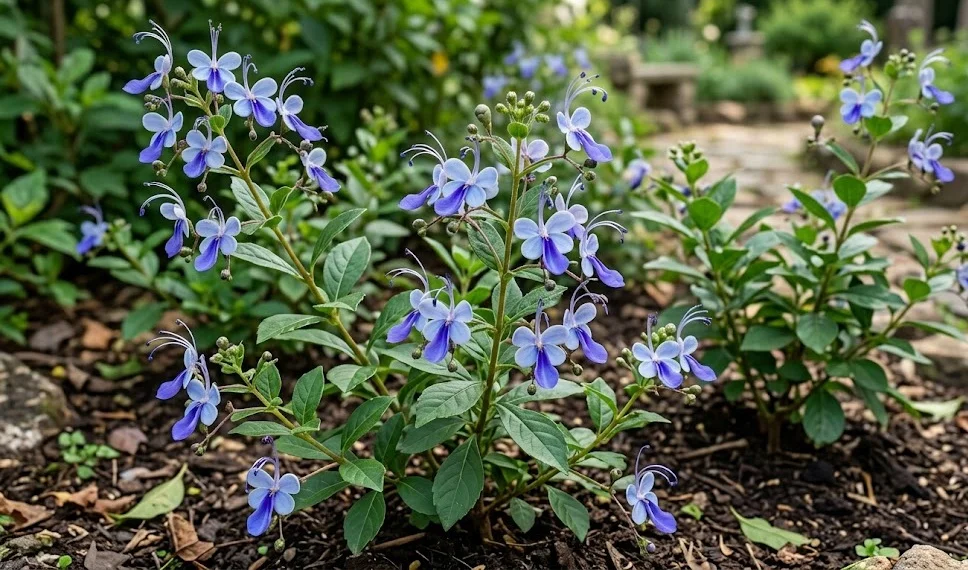
The quality of the water you use can also have an impact on the long-term health of your blue butterfly bush. If your tap water is very hard or contains high levels of chlorine, you might consider using filtered or rainwater instead. Hard water can lead to a buildup of mineral salts in the soil, which can eventually interfere with nutrient absorption. Flushing the soil with pure water every few months can help remove these unwanted deposits and keep the roots healthy.
Understanding nutrient requirements and timing
Fertilization is the fuel that drives the growth and the spectacular flowering of your ornamental shrubs throughout the season. You should start a regular feeding schedule in early spring as soon as you see the first signs of new green growth. A balanced, water-soluble fertilizer is usually the easiest way to provide a consistent supply of essential elements. Following the instructions on the product label will help you avoid the risks associated with over-fertilization and salt buildup.
More articles on this topic
During the peak flowering period, you might switch to a fertilizer with a higher phosphorus content to support bloom production. Phosphorus is known for its role in energy transfer and the development of healthy flowers and strong root systems. Applying this specialized feed every two to three weeks will keep the plant producing those beautiful blue blossoms for a longer time. Be sure to water the plant before applying liquid fertilizer to prevent the concentrated minerals from burning the roots.
As the growing season comes to an end in late summer, you should gradually reduce the frequency and strength of your fertilization. This encourages the plant to stop producing soft new growth that would be easily damaged by the coming cold weather. Allowing the existing stems to harden off is a key part of preparing the plant for its winter dormancy. Providing nutrients during the dormant phase is generally not recommended as the plant cannot effectively use them at that time.
Organic alternatives such as well-rotted compost or seaweed extracts can also be used to provide a more natural source of nutrition. These options often contain a wide range of trace minerals that are not always found in synthetic chemical fertilizers. They also help to improve the overall health of the soil biology, which in turn benefits the plant’s root system. Many gardeners prefer a combined approach, using both organic matter and targeted fertilizers for the best possible results.
Signs of improper watering and corrective actions
Learning to identify the early signs of water stress will allow you to make adjustments before the plant suffers permanent damage. If the leaves start to wilt and lose their firm texture, it is usually a clear sign that the plant needs immediate hydration. However, wilting can also be a sign of root rot caused by too much water, so always check the soil before adding more. Yellowing leaves that drop prematurely can also indicate that the moisture levels in the root zone are not optimal.
More articles on this topic
If you suspect that you have overwatered the plant, the first step is to stop watering immediately and allow the soil to dry out. In severe cases, you may need to remove the plant from its pot to inspect the roots for any signs of decay or dark, mushy areas. Healthy roots should be firm and light in color, while rotting roots will have a distinct unpleasant odor. Pruning away damaged roots and repotting in fresh, dry soil can sometimes save a plant that has been overwatered.
Underwatering is usually easier to correct if it is caught early enough, as the plant will often bounce back after a good soak. You might notice that the soil has pulled away from the sides of the pot, creating gaps where water can run straight through without being absorbed. In this situation, submerging the entire pot in a bucket of water for twenty minutes can help rehydrate the soil effectively. After this treatment, ensure the excess water drains away completely so the roots are not left sitting in a pool.
The environment around the plant also affects how quickly it loses moisture through its leaves in a process called transpiration. High winds or very dry air will cause the plant to dry out much faster, even if the soil seems relatively moist. Providing a sheltered location or using a fine mist on the leaves during hot days can help reduce this type of moisture stress. Maintaining a consistent environment makes the task of watering much more predictable and manageable for the gardener.
Soil drainage and container management
The relationship between the soil structure and the container is fundamental to how water moves through the root zone. You must ensure that your potting mix is porous enough to allow air to reach the roots even after a heavy watering. Adding materials like perlite, coarse sand, or fine gravel to the mix will improve the drainage and prevent the soil from compacting. This air-to-water ratio is the secret to keeping tropical plants healthy and vigorous in a domestic setting.
Selecting a pot with the right number and size of drainage holes is just as important as the soil itself. You should check periodically to make sure the holes are not blocked by roots or debris that has settled at the bottom. Placing a layer of mesh or a few broken pottery shards over the holes can help keep them clear while allowing water to escape. If you use a decorative outer pot without holes, always remove the inner pot when watering to prevent water from collecting at the bottom.
Over time, the minerals from water and fertilizers can form a white crust on the surface of the soil or the edges of the pot. This is an indication that the soil is becoming saturated with salts, which can eventually harm the plant’s delicate root hairs. You can prevent this by occasionally leaching the soil with large amounts of pure water until it runs clear from the bottom. This process effectively washes away the excess minerals and refreshes the environment for the root system.
If you are growing your butterfly bush in the ground, you may need to adjust your watering technique based on the natural rainfall in your area. During dry spells, a deep watering once or twice a week is better than light daily sprinkling that only wets the surface. Deep watering encourages the roots to grow further down into the soil, making the plant more resilient to future droughts. Using a soaker hose or a drip irrigation system is an efficient way to deliver water directly to the base of the plant.
Optimizing fertilization for maximum bloom
The ultimate goal of many gardeners is to see their butterfly bush covered in its unique blue flowers for as long as possible. To achieve this, you need to provide a consistent level of energy through a well-planned fertilization program. You can use a slow-release granular fertilizer in early spring to provide a base level of nutrients for several months. Supplementing this with a liquid bloom booster during the summer will provide the extra push needed for a spectacular floral display.
Watching the growth of the plant will tell you if your fertilization strategy is working or if it needs to be adjusted. If the plant is producing lots of lush green leaves but no flowers, you may be providing too much nitrogen and not enough phosphorus. On the other hand, very slow growth and pale leaves suggest that the plant is not getting enough nutrients of any kind. Finding the right balance for your specific plant and location is part of the art of professional gardening.
The health of the soil biology is also a factor in how effectively the plant can access the nutrients you provide. Using organic amendments helps to support beneficial microbes and fungi that work in a symbiotic relationship with the roots. These organisms help to break down complex materials into forms that the plant can easily absorb and use for its growth. A healthy, living soil is the best foundation for any flowering shrub, providing a steady and natural source of nutrition.
Finally, always remember that fertilization is a supplement to good cultural practices, not a replacement for them. No amount of fertilizer can make up for poor light, improper watering, or the wrong temperature range for the species. Focus on providing the best possible environment first, and then use fertilization to enhance the natural beauty of the plant. With patience and observation, you will develop a routine that keeps your blue butterfly bush thriving and blooming year after year.