
Protecting your plant from health issues and unwanted visitors is a continuous task that requires a vigilant eye. You should make it a habit to inspect the undersides of the leaves and the junctions of the stems during your regular care routine. Catching a problem in its early stages is the key to preventing it from spreading to the rest of your garden collection. A healthy, well-fed plant is naturally more resistant to attacks, but no specimen is completely immune to the challenges of nature.
Common insect pests can quickly colonize the lush foliage of your butterfly bush if the conditions are favorable for them. You might notice small, sticky spots on the leaves, which are often the first sign of aphids or scale insects. These pests feed on the sap of the plant, weakening its structure and potentially transmitting viral diseases between different specimens. Dealing with these intruders immediately using organic or chemical methods will protect the overall health of your plant.
Spider mites are another frequent problem, especially in environments where the air is very dry and warm. You might see very fine webbing between the leaves or a mottled, dusty appearance on the foliage surface. Increasing the humidity around the plant can help to discourage these tiny arachnids from setting up a colony. If the infestation is severe, you may need to use a specialized miticide to completely clear the plant of these destructive pests.
Whiteflies are small, moth-like insects that can often be found congregating on the undersides of the leaves. If you disturb the plant and a cloud of tiny white insects flies up, you have a whitefly problem that needs to be addressed. They not only drain the plant’s energy but also produce a sticky substance called honeydew that encourages the growth of sooty mold. Yellow sticky traps and insecticidal soaps are effective tools for managing these persistent garden pests.
Managing fungal and bacterial issues
Fungal diseases often appear when there is a combination of high humidity and poor air circulation around the foliage. You might notice powdery white spots on the leaves, which is a classic symptom of powdery mildew affecting the plant. This fungus can spread rapidly in stagnant air, coating the leaves and interfering with the plant’s ability to photosynthesize. Improving the spacing between your plants and ensuring good ventilation is the best preventive measure you can take.
More articles on this topic
Root rot is a serious fungal condition that usually occurs when the soil remains too wet for extended periods of time. The leaves of an affected plant may turn yellow and wilt, even if the soil seems to have plenty of moisture. This happens because the roots are literally suffocating and dying, making them unable to transport water to the rest of the plant. Preventing root rot is much easier than treating it, which is why proper drainage is always emphasized in gardening guides.
Bacterial leaf spot can manifest as dark, water-soaked lesions on the foliage that eventually turn brown and dry. These bacteria are often spread by splashing water from rain or overhead irrigation systems that wet the leaves. You should try to water the plant at the base and avoid getting the foliage wet whenever it is possible to do so. Removing and destroying any infected leaves will help to stop the bacteria from spreading to the healthy parts of the shrub.
Botrytis, also known as gray mold, can sometimes affect the flowers and young shoots during periods of cool, damp weather. You will see a fuzzy gray coating on the affected tissues, which quickly turn brown and decay into a mushy state. Maintaining a clean garden environment by removing spent flowers and fallen debris will reduce the amount of fungal spores present. If the weather remains damp, you may need to apply a fungicide to protect the remaining healthy growth.
Prevention strategies and garden hygiene
The best way to deal with pests and diseases is to prevent them from ever becoming established in your garden space. You should always quarantine any new plants for at least two weeks before introducing them to your existing collection. This gives you time to observe the new arrival for any hidden issues that might spread to your other prized specimens. It is a simple precautionary step that can save you a significant amount of time and effort in the long run.
More articles on this topic
Keeping your gardening tools clean and sterilized is another essential practice for maintaining a healthy environment for your plants. You can use a solution of alcohol or a mild bleach mixture to wipe down your shears and knives between uses. This prevents the accidental transfer of microscopic pathogens from one plant to another during pruning or propagation tasks. Professional gardeners always prioritize tool hygiene to ensure they are not inadvertently spreading diseases through their work.
Airflow is a natural defense against many types of fungal infections that require still, humid air to thrive. You should arrange your plants so that there is plenty of room for breezes to move through the foliage and dry off the surfaces. If you are growing your butterfly bush indoors, using a small fan can help to keep the air moving and prevent stagnant zones. This simple mechanical solution is often more effective than many chemical treatments for preventing common leaf issues.
Maintaining the overall vigor of your plant through proper watering and nutrition is its best natural defense system. A stressed plant produces chemical signals that can actually attract pests and make it more susceptible to various infections. By providing the ideal conditions for growth, you are helping the plant to produce its own protective compounds and structural barriers. A strong, healthy butterfly bush is much more likely to recover quickly from any minor challenges it might face.
Natural and organic treatment options
If you do find pests on your plant, there are many effective natural treatments that are safe for the environment. Neem oil is a popular choice for controlling a wide range of insects and also has some antifungal properties for leaf issues. You can mix it with water and a small amount of dish soap to create a spray that coats the pests and disrupts their life cycle. It is best to apply these treatments in the evening to avoid any risk of leaf burn from the sun.
Insecticidal soaps are another great option for dealing with soft-bodied insects like aphids, whiteflies, and spider mites. These soaps work by breaking down the protective outer layer of the insects, causing them to dry out and die. They are very safe to use around people and pets and do not leave behind any harmful chemical residues in your garden. Consistent application every few days is usually necessary to catch all the different stages of the pest’s development.
Beneficial insects like ladybugs and lacewings can be introduced to your garden to provide a natural form of pest control. These tiny predators feed on aphids and other common pests, keeping their populations at a manageable level without any human intervention. Creating a garden that attracts these helpful bugs is a key part of an integrated pest management strategy for any professional grower. Avoid using broad-spectrum pesticides that might harm these beneficial allies while you are trying to target the pests.
For fungal issues, a simple spray made from baking soda or milk can sometimes provide a surprisingly effective treatment for the leaves. These natural solutions change the pH of the leaf surface, making it less hospitable for fungal spores to germinate and grow. While they may not be as powerful as commercial fungicides, they are an excellent first line of defense for minor problems. Always test any home remedy on a single leaf first to ensure the plant does not have an adverse reaction.
Advanced identification and intervention
Sometimes a problem may be so persistent or unusual that it requires a more technical approach to identify and solve it. You can use a magnifying glass to get a closer look at the pests or the patterns of damage on the leaves. This will help you distinguish between different types of mites or identify specific fungal structures that are not visible to the naked eye. Knowing exactly what you are dealing with allows you to choose the most effective and targeted treatment available.
If your plant continues to decline despite your best efforts, it might be suffering from a systemic issue like a viral infection. Viruses often cause strange patterns of discoloration, distorted growth, or unusual spotting on the leaves and flowers. Unfortunately, there are no cures for viral diseases in plants, and the only solution is to remove and destroy the affected specimen. This prevents the virus from being spread to your other plants by insects or contaminated gardening tools.
Consulting with local experts or agricultural extension offices can provide you with valuable information about common problems in your specific region. Many areas have seasonal pests or diseases that are well-known to professional growers and local gardening communities. They can offer advice on the most effective treatments and the best times of year to be on high alert for specific issues. Sharing information is one of the best ways to stay ahead of the challenges that nature can throw at your garden.
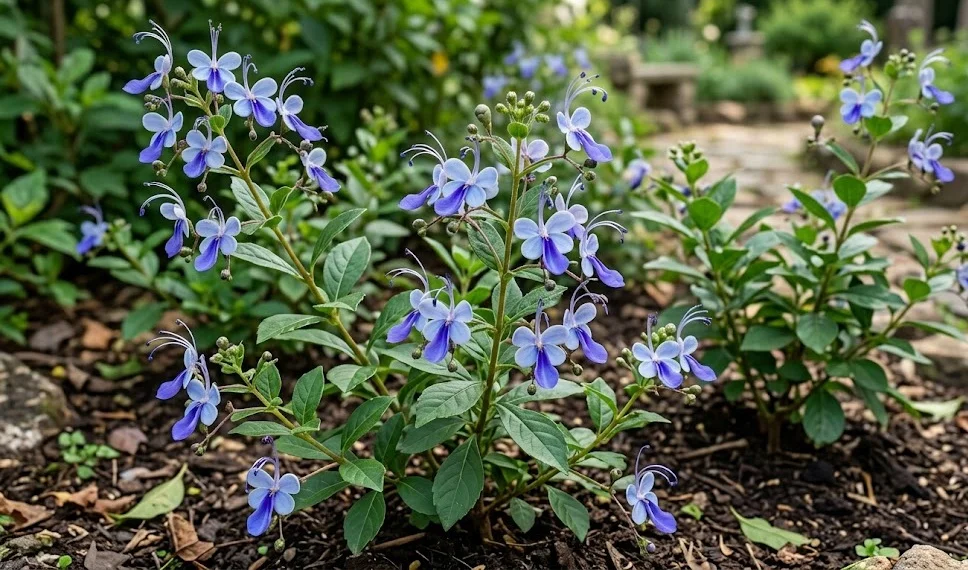
Finally, remember that gardening is a learning process and dealing with pests and diseases is part of the experience. Each challenge you face and overcome will increase your knowledge and make you a more skilled and resilient gardener. Do not be discouraged by occasional setbacks, as they provide an opportunity to refine your techniques and improve your care routine. Your blue butterfly bush will reward your persistence with its stunning floral displays once it is back to full health.