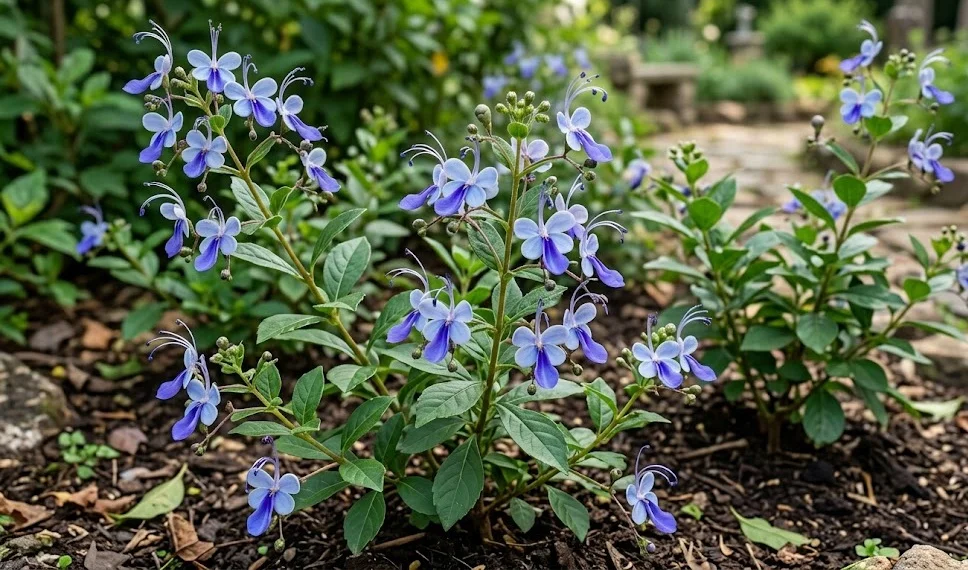

Establishing a consistent routine for this stunning ornamental plant is the foundation of a successful gardening experience. You will find that providing the right environment allows the vibrant blue flowers to flourish throughout the growing season. It is important to observe the plant daily to understand its specific reactions to your local climate conditions. By following professional guidelines, you can ensure that your specimen remains a centerpiece of your collection for many years.
The soil quality plays a pivotal role in the overall health and vitality of your butterfly bush. You should aim for a mixture that offers excellent drainage while retaining enough moisture to keep the roots hydrated. Adding organic matter such as compost or peat moss can significantly improve the structure of the growing medium. A slightly acidic to neutral pH level is generally preferred for optimal nutrient uptake and root development.
Temperature management is another critical aspect of care that requires your constant attention during the changing seasons. This plant thrives in warm environments and reacts poorly to sudden drops in temperature or cold drafts. If you are growing it in a container, moving it to a sheltered spot during cooler nights can prevent stress. Maintaining a stable environment helps the plant focus its energy on producing those iconic butterfly-shaped blossoms.
Regularly checking the foliage for any signs of distress or discoloration will help you identify issues before they become serious. Healthy leaves should maintain a deep green color and a firm texture throughout the active growth phase. If you notice any yellowing, it might be an indication of improper light levels or a lack of specific minerals. Taking proactive steps to adjust the care routine will keep the plant resilient and visually appealing.
Creating the perfect environment for growth
The physical location where you place your plant determines how well it will adapt to its surroundings. You need to find a spot that offers protection from harsh winds which can damage the delicate stems. High humidity is often beneficial, mimicking the tropical origins of the species and supporting lush leaf growth. Proper spacing between plants is also necessary to ensure adequate air circulation and reduce the risk of stagnant conditions.
More articles on this topic
Monitoring the ambient moisture in the air can be particularly important if you are keeping the plant indoors or in a greenhouse. You might consider using a pebble tray or a humidifier to maintain a consistent level of moisture around the foliage. This prevents the leaf tips from drying out and turning brown, which is a common issue in dry indoor air. A humid environment also encourages more prolific flowering and overall vigor in the plant’s structure.
The choice of container is just as important as the location for those who prefer pot culture over garden planting. You should select a pot that allows for future growth while providing enough weight to keep the plant stable. Ensure there are multiple drainage holes at the bottom to prevent water from pooling around the sensitive root system. Using high-quality potting soil will give your plant the best start and provide a stable base for its development.
Seasonal changes will require you to adapt your care strategy to match the plant’s natural life cycle. During the peak of summer, you may need to provide more frequent attention to moisture levels and heat stress. As autumn approaches, gradually reducing the intensity of care helps the plant prepare for its dormant period. Understanding these natural shifts allows you to work with the plant rather than against its biological needs.
Nutritional balance and soil maintenance
Providing a steady supply of nutrients is essential for the continuous production of the striking blue flowers. You should use a balanced fertilizer that contains a mix of nitrogen, phosphorus, and potassium for general health. Applying nutrients during the active growing season ensures the plant has the energy required for its rapid development. It is always better to provide smaller, more frequent doses rather than one large application that might burn the roots.
More articles on this topic
Soil exhaustion can happen over time, especially if the plant has been in the same container for several years. You might notice a decrease in growth rate or a lack of flowers if the soil nutrients have been depleted. Refreshing the top layer of soil every spring can introduce new organic matter and improve the overall soil structure. This simple step provides a significant boost to the plant as it starts its new growth cycle.
Micro-nutrients such as iron and magnesium are also vital for maintaining the deep green color of the leaves. If the soil becomes too alkaline, the plant may struggle to absorb these essential elements, leading to chlorosis. You can use specialized fertilizers designed for acid-loving plants to help correct the pH balance if necessary. Keeping a close eye on the leaf color will tell you exactly when the plant needs a nutritional adjustment.
Mulching the base of the plant can help regulate soil temperature and keep the root zone cool during hot days. You can use bark chips, straw, or even decorative stones to create a protective layer over the soil surface. This layer also helps to suppress weeds that might compete with your butterfly bush for water and nutrients. In addition to its functional benefits, mulching gives the garden bed a clean and professional appearance.
Monitoring growth patterns and stability
As the plant matures, you will notice that it develops a woody structure that requires some physical support. You can use bamboo stakes or decorative trellises to help the stems stay upright and maintain a pleasing shape. Tying the branches loosely to the support system prevents them from snapping under the weight of the flowers. This structural assistance is particularly helpful if your garden is prone to occasional strong gusts of wind.
The growth rate of the butterfly bush can be quite impressive when all its environmental needs are met. You might find that it quickly outgrows its initial space, requiring you to make adjustments to its surroundings. Keeping track of how much the plant grows each month helps you plan for future pruning or repotting needs. A healthy plant should show consistent new growth at the tips of the branches during the spring and summer.
Root health is often invisible but is the most important factor in the longevity of your ornamental specimen. If the plant becomes root-bound, it will struggle to take up water and nutrients effectively, leading to a decline. You can check the roots by gently lifting the plant out of its pot to see if they are circling the edges. Repotting into a slightly larger container every two years is a good practice for maintaining vigorous root systems.
Observation is the most powerful tool in any gardener’s arsenal when it comes to long-term plant care. Spend a few minutes each day looking at the overall form and health of your blue butterfly bush. Notice how the flowers open and how the leaves react to the morning sun versus the afternoon heat. These small details will tell you everything you need to know about whether your care routine is working.
Adapting to seasonal variations
The transition from spring to summer marks the most active period for your butterfly bush and its flowering potential. You will see a surge in energy as the temperatures rise and the days become longer and brighter. This is the time to be most diligent with your care routine to support the heavy blooming phase. Maximizing the plant’s health during this window ensures a spectacular display of blue butterfly-like blossoms.
Autumn brings a natural slowing of growth as the plant begins to sense the approaching cooler weather. You should start to scale back on heavy feeding to allow the new growth to harden off before winter. This gradual change in routine helps the plant enter its resting phase without the shock of sudden environmental shifts. It is a time for reflection on the year’s growth and preparation for the following season.
Winter care is primarily about protection and maintaining the minimum requirements for survival during dormancy. Even if the plant loses some of its leaves, the root system remains alive and needs to be kept safe. Avoid over-handling the plant during this time as it is in a much more fragile and sensitive state. Keeping the environment stable and frost-free is the main objective during these cold months.
When spring returns, you can begin to wake the plant up by gradually increasing water and introducing light. You will see small buds starting to form on the old wood, signaling that the dormant period is over. This is the perfect moment to perform a light cleanup of any dead or damaged material from the winter. Witnessing the first signs of new life is one of the most rewarding aspects of caring for this plant.
Advanced techniques for specimen plants
If you want to create a truly professional look, you can train your butterfly bush into a specific form or standard. This involves choosing a single main stem and removing lower branches to create a tree-like appearance. It takes patience and consistent effort over several years to achieve a perfectly balanced and structural specimen. This method highlights the beauty of the flowers by elevating them to eye level in your garden or patio.
Using specialized growth regulators is an advanced technique that some professional growers use to keep the plant compact. However, for most home gardeners, achieving a natural look through proper light and pruning is more rewarding. You can experiment with different types of organic stimulants to see how they affect the vibrancy of the flower color. Always test new products on a small portion of the plant before applying them to the entire specimen.
Record keeping can help you refine your care routine by tracking what worked best in previous years. Note down the dates when the first flowers appeared and when you applied different types of fertilizers. You might find patterns that allow you to predict the plant’s needs with much greater accuracy in the future. A garden journal is an excellent way to document the history and development of your favorite plants.
Sharing your experiences with other enthusiasts can provide new insights and tips for managing this unique species. Many gardeners find that local conditions vary significantly, making community knowledge very valuable for specific care adjustments. You can join online forums or local gardening clubs to exchange photos and advice on butterfly bush cultivation. Learning from others helps you avoid common mistakes and discover new ways to enjoy your hobby.
Final thoughts on long-term vitality
The beauty of the blue butterfly bush lies in its unique flower shape and its vibrant, unusual color. Maintaining this beauty requires a commitment to understanding the plant’s basic biological and environmental requirements. When you provide a stable and nurturing environment, the plant rewards you with an incredible floral display. It is a species that truly reflects the effort and care that the gardener invests in it.
Sustainability in your gardening practices will ensure that your plant remains healthy without damaging the local ecosystem. Using organic fertilizers and natural pest control methods protects both the plant and the beneficial insects in your garden. This holistic approach creates a balanced environment where your butterfly bush can truly thrive over many years. A healthy garden is a diverse and resilient one that brings joy to everyone who sees it.
Consistency is the secret ingredient that separates successful gardeners from those who struggle with their plants. Developing a simple daily or weekly schedule ensures that no important task is forgotten during busy times. Whether it is a quick check for water or a light pruning session, these small actions add up to big results. Your blue butterfly bush will respond positively to the steady and predictable care you provide.
As you become more familiar with this plant, you will develop an intuitive sense of what it needs at any given moment. This connection with nature is one of the most fulfilling parts of the agricultural and horticultural arts. Enjoy the process of watching your specimen grow from a small cutting into a magnificent blooming shrub. The blue butterfly bush is a testament to the wonders of the plant world and the skill of the gardener.