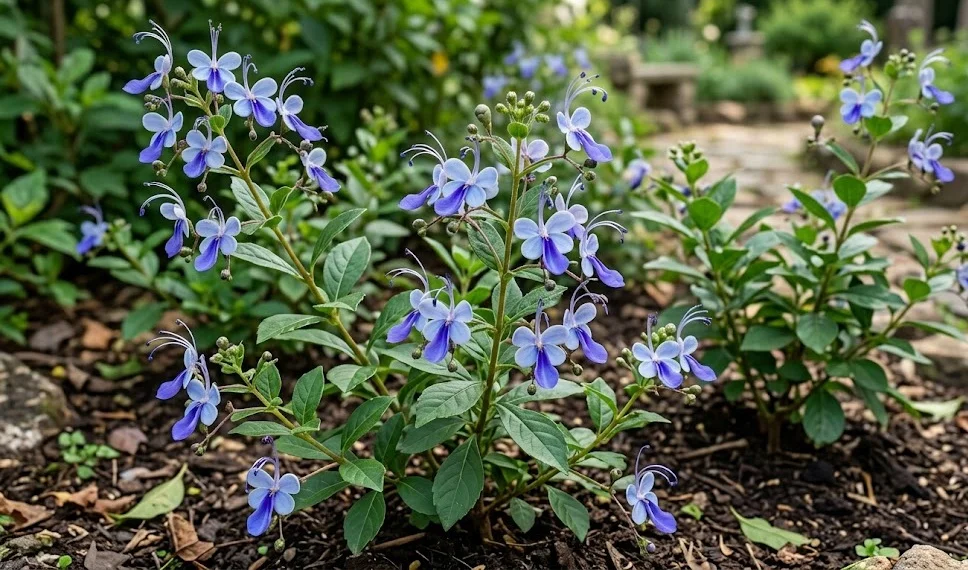

Understanding the specific lighting needs of your plant is the most important factor in achieving a spectacular display of blue flowers. You will find that this species is quite particular about the intensity and duration of light it receives throughout the day and the seasons. Providing the right balance will result in a compact, healthy shrub with vibrant green foliage and a prolific amount of blossoms. Without adequate light, the plant will become weak and leggy, and its flowering potential will be significantly reduced.
The ideal light condition for the blue butterfly bush is a location that receives very bright but partially filtered sunlight for most of the day. You should aim for a spot that gets several hours of direct morning sun followed by some light shade during the hottest part of the afternoon. This prevents the delicate petals of the flowers and the tender new leaves from being scorched by the intense midday heat. In its natural tropical habitat, this plant often grows in the dappled light found at the edge of forests or under taller trees.
If you are growing your plant indoors, a south-facing window is usually the best option to provide the intensity of light it requires to thrive. You should place the plant as close to the glass as possible without allowing the leaves to touch it, which could cause temperature-related damage. During the shorter days of winter, you may need to move the plant to the brightest possible spot to prevent it from becoming stressed. Supplemental lighting can also be very helpful in maintaining the health of indoor specimens throughout the year.
Observing how the plant reacts to its current lighting situation will tell you everything you need to know about its health and happiness. If the stems are growing very long and thin with large gaps between the leaves, the plant is likely searching for more light. On the other hand, if the leaves start to look pale, yellowed, or develop brown scorched spots, it may be receiving too much direct afternoon sun. Adjusting the position of the plant based on these visual cues will help you find the perfect light balance for your specific environment.
Managing light throughout the changing seasons
As the seasons change, the angle and intensity of the sun will shift, requiring you to make adjustments to your plant’s location. In the height of summer, the sun is much more powerful and can easily damage plants that were perfectly happy in the same spot during the spring. You might need to provide a temporary shade cloth or move your containers to a more protected area during the peak heat weeks. This proactive management prevents environmental stress and keeps the plant focused on its beautiful floral production.
More articles on this topic
During the autumn and winter months, the light levels naturally drop as the days become shorter and the sun sits lower in the sky. You should try to maximize the light your butterfly bush receives during this time to help it maintain its energy reserves for the dormant period. Moving indoor plants closer to windows or cleaning the glass to allow more light through can make a surprising difference in their winter health. Even during dormancy, some light is beneficial for the plant to maintain its biological rhythms and prepare for the spring.
When spring returns, the increasing light levels serve as a powerful signal to the plant that it is time to wake up and begin growing again. You will see a surge in energy as the plant responds to the longer days and the strengthening sun with new buds and leaves. This is the time to be very careful with young, tender growth that has not yet been toughened by the outdoor elements. Gradually increasing its exposure to the sun will ensure that the new foliage develops correctly and remains healthy.
If you use artificial grow lights, you can create a very consistent and controlled light environment for your butterfly bush regardless of the weather outside. You should aim to provide about 12 to 14 hours of light per day during the active growing season to mimic a tropical day length. Modern LED grow lights are very energy-efficient and can provide the specific spectrum of light that plants need for both vegetative growth and flowering. This is an excellent option for serious collectors who want to ensure the best possible results for their indoor ornamental plants.
Light intensity and its effect on flower color
The vibrancy of the unique blue flowers is directly influenced by the amount and quality of light the plant receives while the buds are forming. You will notice that plants grown in optimal light conditions have much deeper and more intense blue tones in their blossoms. If the light is too dim, the flowers may appear pale, washed out, or even have a slightly greenish tint that is not as attractive. Providing bright light is the secret to achieving that iconic, “butterfly-like” appearance that makes this species so famous among gardeners.
More articles on this topic
The structure of the entire shrub is also shaped by the light, as the plant naturally grows toward the strongest source of illumination available. To maintain a balanced and symmetrical shape, you should rotate your container-grown plants by a quarter turn every week or two. This ensures that all sides of the plant receive an equal amount of light and prevents one side from becoming much more developed than the other. Professional growers use this simple technique to create perfectly formed specimen plants that look beautiful from every angle.
Light also plays a role in the timing of the flowering cycle, as the plant uses day length to determine when it should start producing buds. While this species is not as sensitive to photoperiodism as some others, a consistent light schedule helps to regulate its natural internal clock. Sudden changes in light duration can sometimes cause the plant to drop its buds or delay its flowering phase for several weeks. Keeping the environment as stable as possible is the best way to ensure a predictable and spectacular display of blue flowers.
Finally, remember that light and water are closely linked in the plant’s biological processes, and changes in one will often require changes in the other. A plant in a very bright, sunny location will use water much faster and require more frequent attention from the gardener to stay hydrated. On the other hand, a plant in a cooler, shadier spot will be much more prone to overwatering and root issues if you are not careful. Finding the harmony between these environmental factors is the hallmark of a skilled and professional horticulturist.