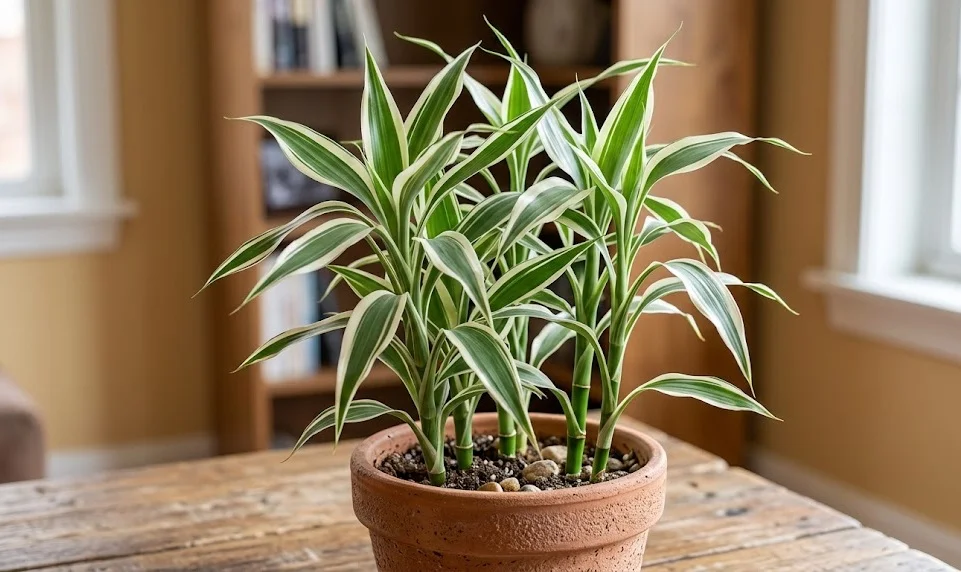

Proper hydration and nutrition are the twin pillars of successful houseplant care, especially for variegated species like the dragon tree. While these plants are known for their hardiness, they have specific requirements that must be met to maintain their stunning appearance. Overwatering is the most common cause of failure, but providing the right nutrients is what truly allows the plant to thrive. Mastering the balance between these two factors will ensure your plant remains healthy, vibrant, and structurally sound for many years to come.
Watering is not just a chore to be completed on a set schedule, but rather a dynamic process that depends on your home’s environment. You must learn to read the cues your plant provides, such as the weight of the pot and the texture of the soil. Factors like temperature, humidity, and the amount of light the plant receives all influence how quickly it uses up its water reserves. A professional gardener knows that the needs of the plant change with the seasons and adapts their routine accordingly.
Fertilization provides the essential building blocks that the dragon tree needs to produce new leaves and maintain its variegated patterns. Without the right minerals, the plant will eventually exhaust the nutrients in its potting mix and its growth will slow or stop entirely. However, it is possible to provide too much of a good thing, and over-fertilizing can lead to root damage and leaf burn. Understanding the specific nutrient requirements of this species will help you choose the best products and application methods.
This article will guide you through the intricacies of keeping your dragon tree well-fed and perfectly hydrated. We will discuss the types of water that are best for sensitive tropical plants and how to recognize the signs of nutritional deficiencies. You will also learn the best times of year to boost your plant’s growth and when it is better to let it rest. By the end, you will have a comprehensive strategy for managing the internal health of your white-edged dragon tree.
Establishing a professional watering routine
The key to watering a dragon tree is to allow the top half of the soil to dry out completely before adding more moisture. You can easily test this by sticking your finger into the soil or using a specialized moisture meter for more accuracy. If the soil feels damp at the surface, it is far too early to water again, and you should wait a few more days. This cycle of wetting and drying mimics the natural environment and encourages the roots to grow deep into the pot.
More articles on this topic
When you do water, it is important to do so thoroughly until you see the liquid emerging from the drainage holes at the bottom. This ensures that the entire root ball is saturated and helps to flush out any accumulated salts from the fertilizer. After watering, be sure to empty any excess water that has collected in the saucer or decorative outer pot. Allowing the plant to sit in standing water is a recipe for disaster, as it will quickly lead to root rot and the eventual death of the plant.
The quality of the water you use can have a significant impact on the health of your variegated dragon tree. These plants are notoriously sensitive to fluoride, chlorine, and other chemicals commonly found in municipal tap water. Using rainwater or distilled water is the gold standard, as it prevents the unsightly brown tips that often plague indoor specimens. If you must use tap water, letting it sit in an open container for twenty-four hours can help some of the chemicals dissipate before you apply it.
During the winter months, your plant’s growth will naturally slow down, and it will require significantly less water than it does in the summer. You should reduce the frequency of your watering sessions and always check the soil moisture levels before reaching for the watering can. It is much safer to slightly underwater your dragon tree during this dormant period than it is to keep the soil too wet. Observing the leaves for signs of slight drooping can be a helpful indicator that the plant is finally ready for a drink.
Understanding nutrient requirements and fertilization
To maintain its striking white and green variegation, the dragon tree needs a balanced supply of nitrogen, phosphorus, and potassium. Nitrogen is particularly important for the development of healthy, vibrant leaves and the overall green color of the foliage. Phosphorus supports a strong root system, while potassium helps the plant regulate its internal water balance and resist disease. A standard balanced houseplant fertilizer, such as a 10-10-10 or 20-20-20 formula, is usually sufficient for its daily needs.
More articles on this topic
You should only fertilize your dragon tree during the active growing season, which typically runs from early spring through the end of summer. During this time, the plant has the energy and light levels necessary to put those nutrients to work in creating new growth. Applying fertilizer once a month or every six weeks is generally enough to keep the plant healthy without overdoing it. In the autumn and winter, you should stop feeding the plant entirely to allow it to enter its natural period of rest and recovery.
It is always better to use fertilizer at half the strength recommended on the product’s packaging to avoid the risk of chemical burn. The roots of the dragon tree can be sensitive to high concentrations of mineral salts, which can accumulate in the soil over time. Signs of over-fertilization include a white crust on the soil surface, stunted growth, or leaves that appear burnt at the edges. If you suspect you have over-fed your plant, you can flush the soil with large amounts of pure water to wash away the excess nutrients.
Organic fertilizers, such as fish emulsion or seaweed extract, are excellent alternatives for those who prefer a more natural approach to gardening. These products provide a wider range of micronutrients and improve the overall health of the soil microbiome over time. They tend to be gentler on the plant’s roots and are less likely to cause the rapid, weak growth sometimes associated with synthetic fertilizers. Whichever type you choose, consistency and moderation are the keys to a successful and professional fertilization program.
Identifying and correcting hydration issues
Both overwatering and underwatering present clear symptoms that you can learn to recognize through careful observation of your plant. Overwatered dragon trees often develop yellowing leaves, especially near the base, and the stems may feel soft or mushy to the touch. In extreme cases, the plant may start to give off a foul odor, which is a definite sign that the roots are rotting in anaerobic conditions. If this happens, you must act quickly by repotting the plant into fresh, dry soil and removing any damaged roots.
Underwatering, on the other hand, causes the leaves to become dry, brittle, and lose their natural luster or shine. The plant may also start to droop significantly, and you will notice that the soil has pulled away from the sides of the pot. While the dragon tree is somewhat drought-tolerant, prolonged periods of extreme dryness will eventually cause the lower leaves to die and fall off. A thorough watering will usually revive a thirsty plant, but you should try to avoid reaching this point of stress too often.
Water quality issues often manifest as brown spots or scorched edges on the white parts of the variegated leaves. Because the white areas lack chlorophyll, they are the first to show signs of toxicity from minerals like fluoride and boron. If you see this happening, it is a clear signal that you should switch to a cleaner water source like filtered or bottled water. Trimming the damaged parts can improve the look of the plant, but the only permanent fix is to change your watering habits.
Professional growers often use the “weight test” to determine exactly when a plant needs water without even touching the soil. A pot that is full of water will feel significantly heavier than one that has dried out and is ready for another drink. By lifting your plant regularly, you will develop a physical sense of its hydration status that is often more reliable than a visual check. This level of intimacy with your plant’s needs is what separates an expert gardener from a casual hobbyist.
The importance of humidity in the watering cycle
While we often think of watering as something that happens at the roots, the moisture in the air is equally important for tropical plants. In a dry home environment, the leaves can lose moisture faster than the roots can supply it, leading to physiological stress. This is why maintaining a higher humidity level can actually reduce the amount of water the plant needs from the soil. You should think of humidity as a supplemental form of hydration that supports the overall health of the foliage.
If you notice that your plant is drying out very quickly despite regular watering, the air in your room might be excessively dry. Using a pebble tray or a room humidifier can slow down the rate of evaporation from both the soil and the leaves. This creates a more stable environment where the plant doesn’t have to work as hard to maintain its internal water balance. During the height of summer, a light misting in the morning can also provide a refreshing boost to the plant’s leaves.
Grouping your dragon tree with other plants is a natural and effective way to manage the humidity in its immediate vicinity. As plants breathe, they release moisture into the air, creating a collective microclimate that is more humid than the rest of the house. This technique is especially useful in large, open rooms where a single plant might struggle with the dry air. You will find that your dragon tree looks much more vibrant and healthy when it is part of a lush, indoor garden community.
Be careful not to confuse the need for humidity with the need for more water in the pot, as these are two different things. Adding more water to the soil will not compensate for dry air and can actually lead to root problems if the soil stays wet for too long. Always address low humidity through environmental changes rather than by increasing the frequency of your watering sessions. Keeping these two aspects of hydration separate in your mind is essential for a professional and balanced approach to care.
Advanced tips for nutrient management
As your dragon tree grows older and larger, its nutritional needs may change slightly depending on its size and the volume of soil it occupies. Larger specimens in smaller pots will exhaust their nutrients much faster and may require more frequent feeding during the growing season. You should also consider using a slow-release fertilizer at the start of spring to provide a steady baseline of nutrition throughout the year. This reduces the risk of forgetting a feeding and ensures the plant always has what it needs to grow.
The pH level of the soil can also affect how well the plant is able to absorb the nutrients you are providing through fertilizer. Dragon trees generally prefer a slightly acidic to neutral soil pH, ideally between 6.0 and 7.0 for optimal health. If the soil becomes too alkaline, certain micronutrients like iron may become locked away and unavailable to the plant’s roots. You can easily test your soil pH with a simple kit from a garden center if you suspect an imbalance is causing health issues.
Occasionally, you may see signs of specific mineral deficiencies, such as iron chlorosis, where the new leaves are yellow with green veins. This is often a sign that the plant needs a specialized fertilizer that includes chelated iron and other essential micronutrients. If the leaves are turning a reddish or purple color, it could indicate a phosphorus deficiency, though this is less common in indoor plants. Learning to read these subtle chemical signals will allow you to provide the exact care your plant needs at any given time.
Finally, always remember to flush the soil with plain, clean water at least once every few months to prevent the buildup of harmful salts. This simple maintenance task keeps the root zone healthy and ensures that your fertilization program remains effective over the long term. A healthy root system is the only way a plant can effectively take up both water and nutrients from its environment. By paying attention to both the visible and invisible aspects of your plant’s health, you will achieve professional-level results in your home garden.