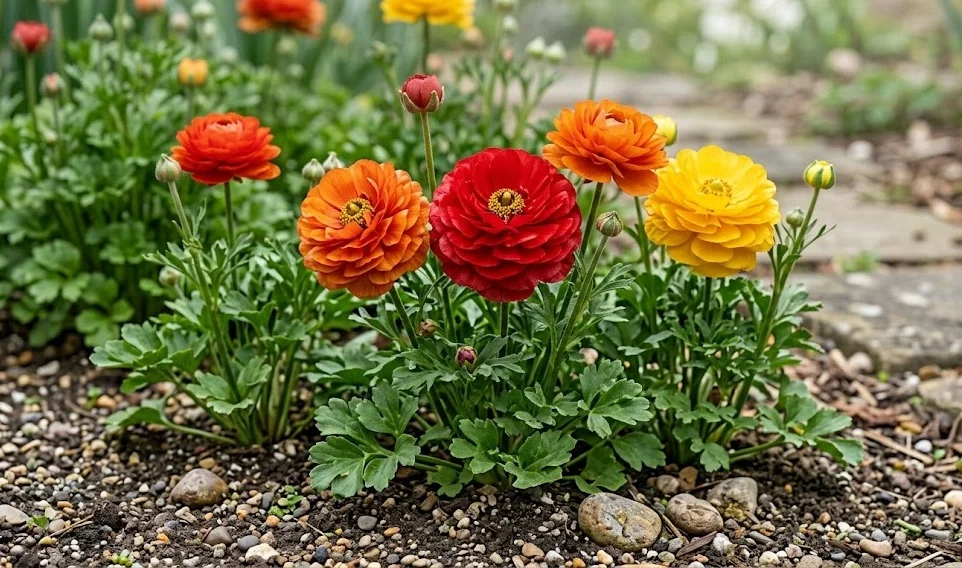

Managing the health of these vibrant blooms requires a deep understanding of their specific environmental preferences and biological rhythms. A professional approach to gardening ensures that each tuber reaches its full potential, providing a spectacular display of multi-layered petals in the early spring season. You must pay close attention to the transition between winter dormancy and active growth to facilitate a successful flowering period. Establishing a routine that balances intervention with natural development is the hallmark of an expert horticulturist.
Creating the right foundation for your plants begins with a thorough assessment of the soil structure and its chemical composition. These flowers thrive in a medium that is rich in organic matter but retains a light and airy texture to prevent root compression. You should aim for a slightly acidic to neutral pH level, as this range optimizes the uptake of essential micronutrients from the earth. Incorporating well-rotted compost or leaf mold into the beds several weeks before growth begins will create a nutrient-dense environment for the roots.
The microclimate of your garden plays a pivotal role in the overall success of these delicate perennials during their most vulnerable stages. They prefer cool root zones but require warmth for their upper foliage to develop the energy necessary for flower production. You can achieve this balance by applying a thin layer of organic mulch around the base of the stems to regulate soil temperature. Monitoring the ambient humidity is also necessary, as stagnant air can lead to moisture buildup and subsequent health issues for the plant.
Consistent maintenance throughout the growing season involves more than just basic survival needs; it requires active observation of the plant’s architecture. You should regularly check for yellowing leaves or stunted stems, which often serve as the first indicators of environmental stress. Removing debris from around the base of the plant ensures that airflow remains optimal and reduces the risk of fungal spores taking hold. Professional care dictates that you treat each plant as an individual, adjusting your methods based on its specific growth rate and vigor.
Seasonal adjustments are mandatory for those who wish to maintain a collection of these flowers over multiple years without losing quality. As the temperatures rise in late spring, the plant naturally begins to enter a period of senescence, signaling a shift in its metabolic needs. You must reduce the intensity of your care routines during this time to allow the plant to redirect its energy back into the tuber. This phase is critical for the development of next year’s blooms, as the tuber acts as a storage organ for vital carbohydrates.
Choosing between container cultivation and open-ground planting depends largely on the specific climate and the level of control you wish to exercise. Pots allow for greater mobility, enabling you to move the plants to protected areas during unexpected frosts or extreme heat waves. However, garden beds offer a more stable root environment where the soil volume can buffer against rapid changes in moisture levels. In either case, the container or the bed must feature exceptional drainage capabilities to protect the subterranean structures from rot.
Vitality checks should be integrated into your weekly gardening schedule to catch potential problems before they escalate into significant losses. Look for the firmness of the stems and the clarity of the petal colors, as these are excellent proxies for the plant’s internal hydration and nutrient status. If you notice a decline in flower size or quantity, it may be time to reassess the local environment or the density of the planting. Proactive management allows for minor corrections that keep the plants in peak condition throughout their entire lifecycle.
The tools you use for maintenance must be kept in pristine condition to avoid the cross-contamination of pathogens between different sections of the garden. Sharpening your shears ensures clean cuts that heal quickly, while regular sterilization with alcohol prevents the spread of microscopic threats. You should also ensure that any supports or stakes used for taller varieties are sturdy and do not damage the soft tissues of the stems. Professional gardening is as much about the quality of your equipment as it is about the knowledge you apply to the plants.