
Caring for savin juniper requires a nuanced understanding of its natural habitat and growth patterns to ensure a long-lived and healthy specimen. This evergreen shrub is prized for its hardy nature and ability to thrive in conditions that many other ornamental plants find challenging. Gardeners must recognize that while it is resilient, its specific needs for drainage and space are non-negotiable for optimal development. By establishing a solid foundation through informed care, you can enjoy its dense, dark green foliage throughout the entire year.
The environmental adaptability of this species makes it a favorite for both professional landscapers and home gardening enthusiasts. It can withstand various soil types as long as the moisture levels are managed correctly during the first few growing seasons. Success with this plant often comes down to consistency in monitoring its growth and responding to environmental stressors quickly. You will find that a proactive approach prevents most common issues before they become detrimental to the shrub’s health.
Understanding the toxic nature of the foliage is a critical component of its general care and maintenance routine. All parts of the plant contain essential oils and resins that can cause skin irritation upon contact or severe illness if ingested. When working around the shrub, it is always advisable to wear protective gloves and long sleeves to prevent accidental exposure to these compounds. Safety should remain a priority, especially in gardens where children or pets might interact with the landscaping elements.
The long-term vitality of the shrub depends on maintaining a balance between growth and structural integrity. Because it tends to spread horizontally, monitoring its encroachment on other plants is a necessary part of a seasonal care plan. Regular inspections allow you to identify any branches that are becoming too heavy or sparse over time. With the right attention, a single specimen can serve as a focal point in the garden for many decades.
Fundamental soil and site preferences
Providing the correct soil environment is the first step in ensuring that your shrub develops a deep and robust root system. While the plant is remarkably tolerant of poor soils, it performs best in well-drained, slightly alkaline to neutral substrates. Avoid planting in areas where water tends to collect after heavy rainfall, as stagnant moisture is the primary enemy of its roots. Improving heavy clay soils with organic matter or sand can significantly enhance the longevity of the plant.
More articles on this topic
The physical location of the plant within the garden landscape affects its overall health and its resistance to environmental pathogens. It thrives in open areas where air circulation is consistent and unrestricted by dense walls or overhanging structures. Stagnant air often leads to increased humidity within the foliage, which creates an ideal breeding ground for various fungal diseases. Selecting a site with good airflow will naturally reduce the need for chemical interventions in the future.
Soil pH levels play a subtle yet vital role in the nutrient uptake efficiency of the savin juniper over several years. If the soil is excessively acidic, you might notice a slight yellowing of the needles or a general lack of vigor in new growth. Conducting a simple soil test before planting can help you determine if lime or other amendments are necessary to reach the ideal range. Maintaining the proper chemical balance in the soil ensures that the plant can access all the essential minerals it needs.
Ground preparation should ideally occur several weeks before you intend to place the plant into its permanent home. Digging a wide hole and loosening the surrounding earth allows the young roots to expand without meeting immediate resistance. Incorporating a small amount of slow-release fertilizer into the bottom of the pit can provide a helpful boost during the transition period. Taking these extra steps during the initial setup phase pays dividends in the form of faster establishment and better stress tolerance.
Growth habits and spatial management
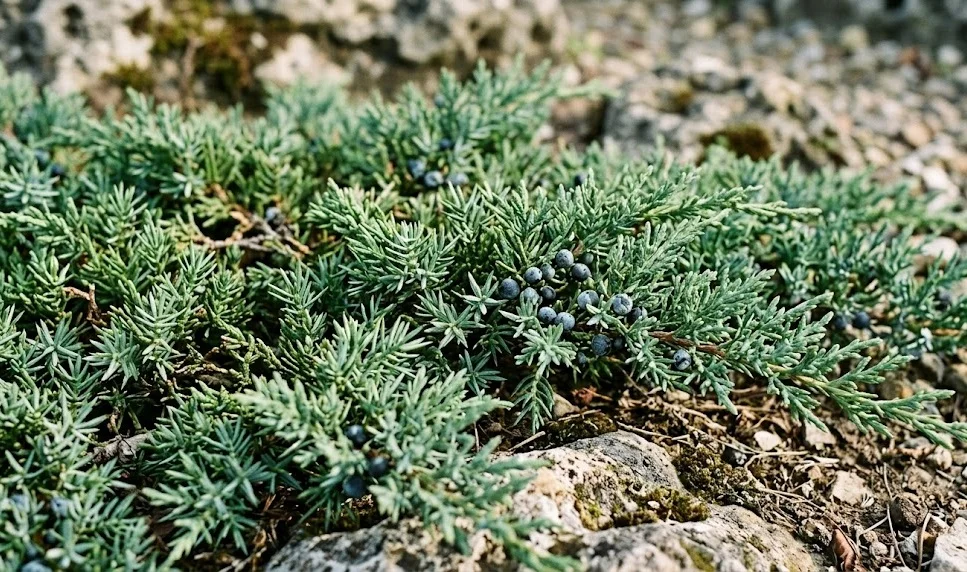
This species is known for its sprawling and decumbent growth habit, which makes it an excellent choice for ground cover on slopes. It typically reaches a modest height but can cover a significant surface area if left to its own devices. Knowing the eventual spread of the plant is essential when planning the layout of a new garden bed or border. Give it enough room to expand naturally so that it does not become crowded by neighboring perennials or shrubs.
More articles on this topic
The density of the foliage is one of its most attractive features, providing a thick carpet of green even in the winter months. This thick growth can occasionally hide problems within the interior of the plant, such as dead wood or pest nests. Periodically parting the branches to inspect the inner structure helps you stay informed about the internal health of the specimen. Maintaining a clean interior by removing fallen debris will prevent rot and improve the overall lifespan of the plant.
Competitive plants nearby can sometimes struggle to keep up with the vigorous spreading nature of the savin juniper. It is important to choose companion plants that share similar cultural requirements and can hold their own against the juniper’s root system. Drought-tolerant perennials and other hardy evergreens often make the best neighbors in a diverse landscape design. By managing the space effectively, you ensure that every plant in the collection has the resources it needs to thrive.
The way the branches interact with the ground can lead to natural layering, where stems develop roots upon contact with the soil. While this can be a benefit for erosion control, it might lead to unwanted expansion in a more formal garden setting. You can manage this by placing a layer of mulch under the branches or by trimming back any stems that touch the earth. Being mindful of this growth strategy allows you to maintain the desired shape and size of the shrub.
General maintenance and seasonal checks
A successful maintenance routine for this shrub involves seasonal checks that align with the changing weather patterns throughout the year. In early spring, look for signs of new growth and assess any damage that may have occurred during the winter months. This is also the best time to clear away any weeds that have managed to sprout near the base of the plant. Keeping the area clean reduces competition for nutrients and gives the shrub a fresh start for the growing season.
Summer maintenance focuses primarily on monitoring moisture levels and checking for any signs of heat stress or pest activity. Although mature plants are quite drought-tolerant, extreme heatwaves may still require some supplemental attention to prevent needle scorch. You should also keep an eye out for common pests like spider mites, which are most active during the dry and dusty months. Early detection of these issues makes them much easier to manage using organic or chemical methods.
Autumn is the season for preparing the plant for the dormant period by ensuring it has adequate hydration before the ground freezes. It is a good practice to apply a fresh layer of mulch around the base to help regulate soil temperature and retain moisture. Avoid heavy pruning at this time of year, as new growth stimulated by cutting might not have time to harden before the first frost. This transitional period is vital for building up the plant’s internal reserves for the coming cold.
Winter maintenance is usually minimal but should include clearing heavy snow from the branches to prevent them from snapping or deforming. The weight of wet snow can be surprisingly damaging to the horizontal structure of the shrub if left unattended for too long. Gently shaking the branches after a heavy snowfall is often enough to protect the physical integrity of the plant. Regular visual inspections during the winter will also reveal if any local wildlife is using the shrub for shelter or food.
Safety protocols and handling guidelines
Due to the presence of toxic compounds like sabinol, handling this plant requires specific safety precautions to protect the gardener. These substances can cause significant dermatitis, characterized by itching, redness, or even blistering on sensitive skin. Always ensure that your skin is fully covered when you are performing tasks like pruning or weeding around the base. It is a simple habit that prevents unnecessary discomfort and keeps the gardening experience enjoyable and safe.
The berries and foliage are also highly toxic if ingested by humans or domestic animals, which is a crucial consideration for family gardens. Symptoms of poisoning can be severe, affecting the nervous system and the digestive tract quite rapidly after consumption. It is wise to educate family members about the dangers of the plant and to monitor pets closely when they are in the area. Placing the shrub in a less accessible part of the garden can also mitigate the risk of accidental ingestion.
When cleaning up trimmings or fallen needles, it is best to dispose of them in a way that avoids contact with compost piles used for food crops. The resins in the wood and leaves break down slowly and can persist in the soil for a significant amount of time. Burning the waste is often discouraged because the smoke can also carry irritating particles that affect the respiratory system. Using a dedicated yard waste service or a specialized corner of the garden for disposal is a safer alternative.
Tool hygiene is another aspect of safety and health that should not be overlooked when working with this specific juniper. After pruning, clean your shears and saws thoroughly to remove the sticky resin that can gum up the mechanisms and harbor pathogens. Rubbing alcohol or a mild bleach solution works well to disinfect the tools and ensure they are ready for the next task. Proper tool care protects both the gardener and the health of the other plants in your collection.
Aesthetic integration in the landscape
This shrub offers a unique architectural element to the garden, providing structure and color during the months when other plants are dormant. Its fine-textured foliage contrasts beautifully with larger-leaved shrubs and creates a sense of depth in the landscape. You can use it as a low-hedge, a border plant, or a stabilizing ground cover for difficult terrain like rocky banks. Its versatility allows it to fit into formal, modern, or naturalistic garden designs with equal ease.
The color of the foliage can range from a bright, vibrant green to a deeper, more blue-green hue depending on the specific cultivar. Some varieties even take on a purplish tint during the coldest parts of winter, adding another layer of visual interest to the scene. When choosing a location, consider how these colors will interact with the surrounding hardscape and other plant materials. Thoughtful placement ensures that the shrub complements the overall color palette of your outdoor living space.
Using the savin juniper for erosion control is a practical and aesthetically pleasing solution for sloping properties. The extensive root system helps to bind the soil together, preventing runoff and stabilizing the earth over time. As the branches spread and overlap, they create a living mulch that suppresses weeds and protects the soil surface from the elements. This dual-purpose role makes it a highly valuable asset for gardeners dealing with challenging topography.
The fragrance of the foliage is another characteristic that can be utilized to enhance the garden experience, though it is often described as pungent. When the needles are crushed or brushed against, they release a strong, resinous scent that is quite distinctive to this species. Some gardeners find this aroma refreshing and characteristic of a healthy coniferous forest environment. Placing it slightly away from high-traffic paths allows the scent to linger in the air without being overwhelming.
Long-term health and rejuvenation
As the shrub ages, it may begin to show signs of thinning in the center or a loss of vigor in its older branches. This is a natural part of its lifecycle, but it can be managed through careful intervention and consistent care. Rejuvenation pruning involves the selective removal of old or damaged wood to encourage the growth of fresh, vibrant shoots. By staying ahead of the aging process, you can keep the specimen looking youthful and healthy for many years.
Soil health remains a top priority throughout the life of the plant, as nutrient depletion can occur over long periods. Regularly top-dressing the area with well-rotted compost or a balanced organic fertilizer helps to replenish the soil’s natural reserves. Healthy soil supports a strong immune system, making the plant less susceptible to environmental stresses and disease outbreaks. A little bit of attention to the earth beneath the branches goes a long way in ensuring long-term success.
Monitoring for structural shifts is important as the plant reaches its mature size and weight. Sometimes, the primary branches can become so heavy that they begin to split or pull away from the main trunk. Installing subtle supports or performing structural pruning can help distribute the weight more evenly across the plant’s frame. Taking these steps early on prevents catastrophic failure during heavy storms or periods of high wind.
The eventual replacement of a specimen should be considered part of a long-term landscape management strategy. Even with the best care, every plant has a natural lifespan, and there may come a time when it is best to start fresh with a new individual. Propagating your own cuttings can be a rewarding way to ensure that the genetics of a favorite plant live on in your garden. This cycle of growth and renewal is what keeps a garden dynamic and beautiful through the passing generations.