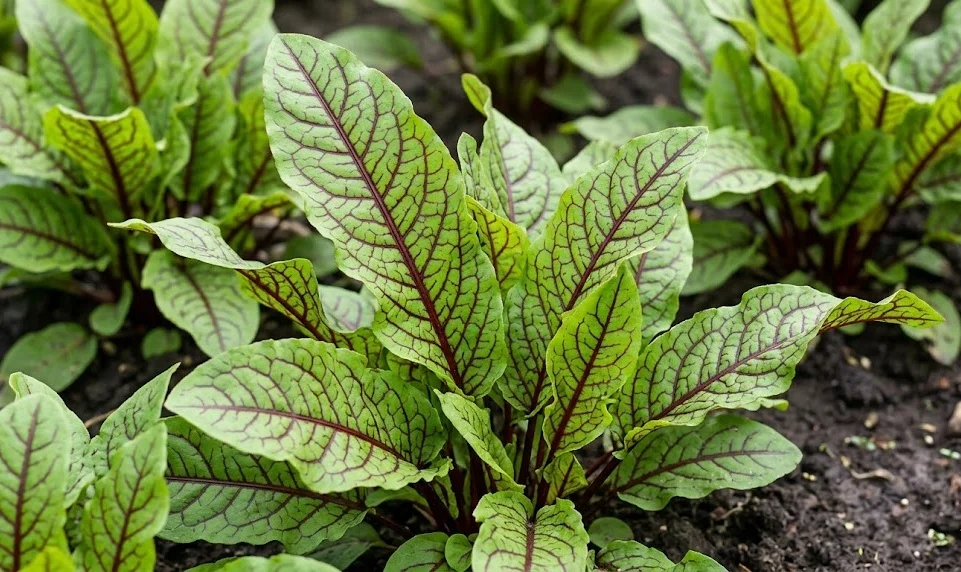

Overwintering red-veined sorrel is usually straightforward because the plant is a hardy herbaceous perennial in many temperate gardens. Its leaves may collapse or disappear in winter, but the crown can survive and regrow when spring conditions return. The key is to protect the crown from extreme exposure, waterlogging, and repeated freeze-thaw stress. Good autumn preparation makes spring regrowth cleaner, stronger, and easier to manage.
Red-veined sorrel should not be judged by its winter foliage. In cold climates, the top growth often dies back naturally. This is part of the plant’s seasonal rhythm rather than a sign that it has died. The living crown and roots are the important parts to protect.
Hardiness depends on climate, drainage, plant age, and snow cover. Established plants usually cope better than late-season seedlings. Missouri Botanical Garden notes that plants are reportedly winter hardy to USDA Zone 6, with survival also reported in Zones 4 and 5, while other horticultural sources describe sorrel as returning after winter dormancy. Missouri Botanikus Kert+1
The best overwintering approach is neither neglect nor heavy wrapping. Too much insulation can trap wetness, while too little protection can expose shallow crowns in harsh sites. A breathable mulch, good drainage, and autumn sanitation usually provide the right balance. Container plants need more attention because their roots are less insulated than roots in the ground.
Autumn preparation
Autumn care begins with reducing stress. Keep watering during dry spells so the plant enters winter with a healthy crown. Do not push late soft growth with strong nitrogen fertilizer. The goal is firm, resilient tissue rather than a flush of tender leaves.
More articles on this topic
Remove flower stems before winter. Old stems can rock in wind, damage the crown, and trap damp debris. Cutting them also redirects the plant away from seed production. This helps conserve energy for root and crown survival.
Clean up diseased or collapsing leaves. Leaving a mat of wet foliage over the crown encourages slugs and fungal problems. However, do not strip every healthy leaf too early in mild weather. The plant can still photosynthesize and store energy during cool autumn days.
Apply compost or mulch thoughtfully. A light layer around the plant protects soil structure and moderates temperature swings. Keep the crown itself slightly open so it can breathe. This is especially important in wet climates where rot is more dangerous than cold.
Ground-grown plants in winter
In open ground, drainage is the main winter issue. Red-veined sorrel tolerates moisture, but stagnant winter wetness can damage the crown. If the planting site puddles after rain, improve drainage before winter or consider lifting and relocating the plant in spring. Raised beds are useful in climates with wet winters.
More articles on this topic
A breathable mulch can reduce frost heave. Frost heave occurs when repeated freezing and thawing pushes roots upward. Once roots are exposed, they dry out and suffer cold damage. A loose layer of leaves, straw, or compost helps stabilize the surface.
Snow can be protective when it remains light and insulating. Problems arise when snow melts into saturated soil and then refreezes repeatedly. Avoid compacting snow over the plant by walking on beds. Compaction reduces air pockets and can worsen crown stress.
During winter, resist unnecessary disturbance. Do not dig around the plant to check whether it is alive. The crown may be dormant and fragile. Wait until spring warmth encourages visible shoots before making final decisions.
Container plants in cold weather
Containers expose roots to sharper temperature swings than garden soil. A plant that is hardy in the ground may struggle in a small pot during severe frost. The compost freezes more quickly and thaws more abruptly. This can damage roots and loosen the crown.
Move pots to a sheltered position before hard winter weather. A cold frame, unheated greenhouse, porch, or protected wall can reduce wind and excess rain. The aim is not warmth but stability. Too much warmth can trigger weak growth before light levels are sufficient.
Check moisture occasionally. Containers under shelter may dry out, while exposed pots may become waterlogged. Water sparingly when the compost is dry and the weather is above freezing. Never leave pots sitting in saucers full of icy water.
Insulate pots if severe cold is expected. Wrapping the pot, grouping containers together, or sinking the pot into soil can protect roots. The top growth can die back without concern if the crown remains sound. In spring, remove protection gradually as growth resumes.
Spring recovery after winter
Spring care starts with cleanup. Remove dead foliage before new leaves expand fully. This improves air movement and reduces hiding places for slugs. Use clean scissors to avoid tearing emerging shoots.
Once growth begins, feed lightly with compost. A gentle spring top-dressing supports new leaves without forcing weak growth. Water if the soil is dry, especially after a winter with little precipitation. Early spring drought can slow regrowth even in hardy perennials.
Inspect the crown closely. Healthy crowns feel firm and produce fresh shoots from the base. Soft, hollow, or foul-smelling tissue suggests rot. If only part of the plant is damaged, healthy sections may be divided and replanted.
Begin harvesting gradually. Let the plant produce enough leaves to rebuild energy before heavy picking. The first leaves are often tender and attractive, but the crown still needs a working leaf area. A patient start gives a longer and stronger season.