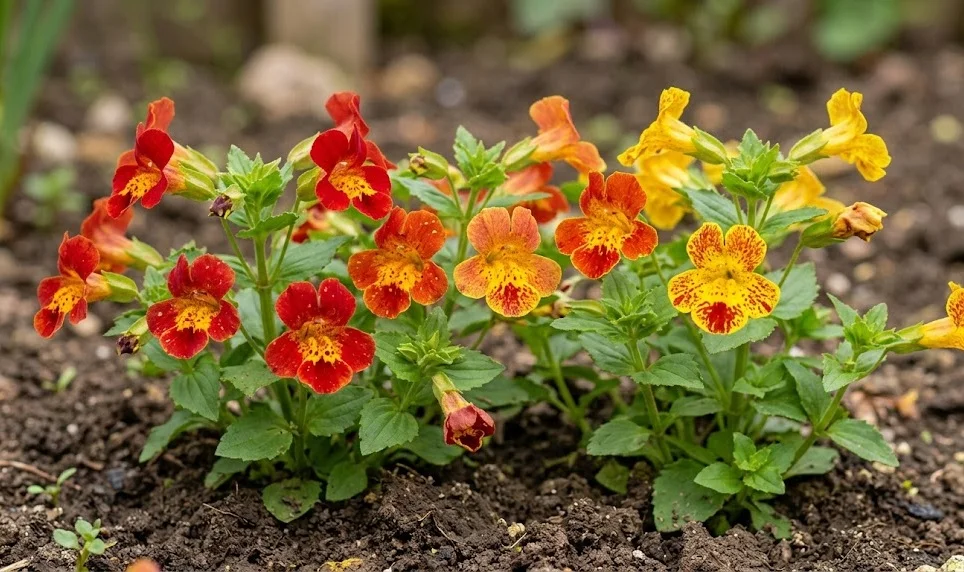

As the days grow shorter and the first signs of frost appear on the horizon, you must begin the process of preparing your monkey flowers for the winter. These hybrids are often treated as annuals in cooler climates, but with a bit of effort, you can successfully keep them alive until the following spring. You should identify the healthiest specimens in your garden that you want to preserve and check them thoroughly for any signs of pests. Bringing a healthy plant indoors is the first step toward ensuring its survival during the dormant months.
If your plants are currently in the ground, you will need to lift them carefully to avoid damaging the delicate root systems as much as possible. You should use a clean spade to dig a wide circle around the base of the plant before gently prying it from the earth. Once the plant is free, shake off the excess soil and trim back any leggy or damaged stems to make it more manageable. Replanting them into clean pots with fresh potting soil will provide a sterile environment for their indoor stay.
The transition from the outdoor garden to an indoor setting can be stressful for any plant due to the sudden change in light and humidity. You should aim to make this shift as gradual as possible by placing the pots in a sheltered, shaded area for a few days before bringing them inside. This acclimation period allows the plant to adjust its metabolic processes to the lower light levels it will experience indoors. Watching for signs of wilting or leaf drop during this time will help you gauge how well the plant is coping.
Once inside, finding the right spot for your monkey flowers is crucial for their long-term health during the winter. You should look for a cool room with plenty of bright, indirect light, such as a south-facing windowsill that is not blocked by trees. Avoiding locations near heaters or drafts is essential, as the dry air from a furnace can quickly dehydrate the foliage. A stable temperature and a bright environment will help the plant maintain its remaining leaves and stay dormant without completely dying back.
Managing the dormant state
During the winter months, your monkey flower will enter a state of dormancy where its growth slows down significantly to conserve energy. You should recognize that the plant’s needs for water and nutrients will be much lower than they were during the peak of summer. Overwatering is the most common cause of failure during this time, as the roots are not active enough to absorb large amounts of moisture. Keeping the soil just barely damp to the touch is usually sufficient to keep the roots alive without risking rot.
More articles on this topic
Fertilization should be stopped completely during the dormant period to avoid stimulating new growth that would be weak and spindly due to the low light. You want the plant to rest and recover its strength rather than putting energy into producing leaves that won’t survive the winter. If you notice the plant starting to look a bit tired or losing some of its older leaves, do not worry, as this is a natural part of the cycle. Simply remove any dead material to keep the pot clean and prevent the buildup of mold or pests.
Humidity management is one of the biggest challenges when keeping moisture-loving plants indoors during the heating season. You can increase the local humidity by placing the pots on a tray filled with pebbles and a small amount of water. As the water evaporates, it creates a more humid microclimate around the foliage without making the soil too wet. Misting the plants occasionally can also help, but you should be careful not to do this too late in the day when the leaves might stay wet overnight.
Light duration can be another limiting factor for plants that are used to the long days of summer in the garden. If your home does not have enough natural light, you might consider using a simple grow light to supplement the sunshine for a few hours each day. This extra boost can make a significant difference in the plant’s ability to maintain its structural integrity and health. You don’t need a professional setup; even a basic full-spectrum bulb can provide enough light to keep your monkey flowers happy until spring.
Monitoring for indoor pests and issues
Indoor environments can sometimes host pests that thrive in the stable and protected conditions of our homes, away from their natural predators. You should regularly inspect your overwintering plants for signs of spider mites, whiteflies, or fungus gnats that might have hitched a ride inside. These pests can multiply quickly in the warm, dry air of a heated house, potentially spreading to your other houseplants if left unchecked. Early detection is the best way to manage these unwanted visitors before they cause serious damage.
More articles on this topic
Fungus gnats are a common nuisance in indoor pots where the soil is kept consistently moist, as their larvae feed on organic matter in the medium. You can control these tiny flies by allowing the top layer of soil to dry out between waterings, which disrupts their breeding cycle. Using yellow sticky traps can also help reduce the number of adult gnats flying around your home and your plants. If the infestation is severe, you might need to use a biological control like Bacillus thuringiensis israelensis to target the larvae in the soil.
Powdery mildew can still be an issue indoors if the air circulation is poor and the humidity is high around the foliage. You should ensure that your plants are not crowded too closely together and that there is a gentle flow of air in the room. If you notice any white, dusty spots appearing on the leaves, you should remove the affected parts immediately and improve the ventilation. A small fan placed nearby can help keep the air moving and prevent the fungal spores from settling on the plant.
The general appearance of the plant will tell you a lot about how it is handling the indoor winter environment. You should watch for any sudden yellowing of the leaves or wilting that doesn’t improve after a light watering. These could be signs of root issues or a reaction to a sudden temperature change in the room. Being responsive to the subtle signals your plant is giving you is the mark of a skilled gardener who truly cares for their collection.
Reawakening and returning to the garden
As the days begin to lengthen and the sun grows stronger in the late winter, you will start to see signs of new growth on your monkey flowers. You should take this as a signal to gradually increase your watering and provide a light dose of balanced fertilizer to support the emerging shoots. This is also a good time to trim back any dead or damaged stems that occurred during the winter months to tidy up the plant. Seeing the first green leaves of spring is always a rewarding moment for any gardener who has worked hard to preserve their plants.
The process of moving the plants back outdoors is just as important as the initial transition to the indoor environment. You must wait until all danger of frost has passed and the soil has begun to warm up before even thinking about replanting them in the garden. Hardening off the plants is a mandatory step that involves exposing them to outdoor conditions for a few hours each day over the course of a week. This gradual introduction helps the plant build up its resistance to the wind, sun, and temperature fluctuations of the outside world.
Once the plants are fully acclimated, you can return them to their permanent spots in your garden beds or larger outdoor containers. You should take the opportunity to refresh the soil with some new compost or a bit of slow-release fertilizer to give them a great start. Water the newly replanted specimens thoroughly to settle the soil around the roots and reduce any transplant shock they might experience. With the foundation you have built over the winter, your monkey flowers will be ready to grow faster and bloom earlier than ever before.
Reflecting on your overwintering success will help you refine your techniques for the next year and perhaps even expand your collection. You might find that some varieties handled the indoor stay better than others, giving you a clue as to which hybrids are the most resilient. Sharing your success stories and tips with other gardeners can help them save their favorite plants as well. The cycle of the seasons is what makes gardening such a fulfilling and continuous learning experience for everyone involved.