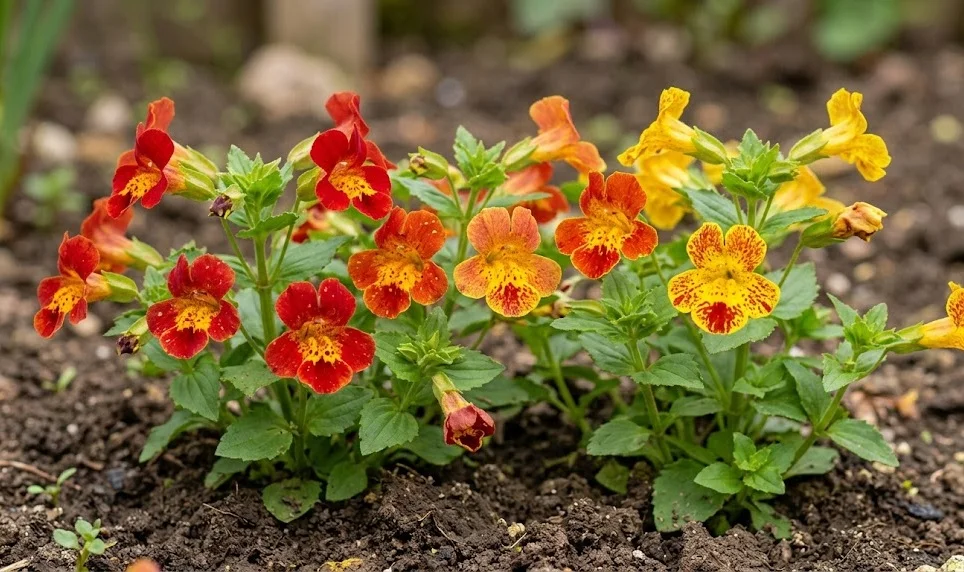

Understanding the specific light requirements of monkey flowers is essential if you want to achieve the best possible blooming results in your garden. These hybrids are somewhat unique in that they prefer a cool environment but still need a significant amount of light to produce their vibrant flowers. You should aim to place them in a location that receives bright, filtered light for the majority of the day while avoiding the direct intensity of the midday sun. Striking this balance is the secret to maintaining lush foliage and a continuous display of colorful blossoms.
Direct afternoon sunlight can be quite damaging to the delicate petals and thin leaves of these plants, often leading to unsightly scorching and wilting. You should look for a spot in your garden that is shielded from the harsh west-facing sun during the hottest hours of the day. A location that receives morning sun and afternoon shade is often considered the “gold standard” for these specific hybrids in most temperate climates. This arrangement provides the energy needed for photosynthesis without the stress of extreme heat.
The density of the shade is another factor that you should consider when choosing the perfect home for your monkey flowers. While they enjoy some protection, placing them in deep, heavy shade will often result in leggy growth and a significant reduction in the number of flowers produced. You might notice that the stems become weak as they stretch toward any available light source, making the plant look untidy. Dappled sunlight, such as that found under the canopy of a light-foliaged tree, is an ideal compromise that supports healthy development.
Observing how the light moves across your garden throughout the day and the seasons will give you the best information for placement. You should take note of where the shadows fall at different times to identify the microclimates that exist within your own backyard. Every garden is different, and the intensity of the sun can vary greatly depending on your latitude and the surrounding structures. Being willing to move your plants if they aren’t performing well is part of the learning process that every successful gardener goes through.
Recognizing the signs of light stress
Your monkey flowers will communicate their needs to you through the appearance of their leaves and the vigor of their growth. If the plant is receiving too much direct light, you might see the foliage turning a pale yellow or developing brown, crispy patches on the edges. The flowers themselves may fade much faster than expected, and the overall plant might appear stunted and stressed. These are clear indicators that the current location is too intense and that the plant would benefit from more shade.
More articles on this topic
On the other hand, a lack of sufficient light will manifest in a very different way that is equally problematic for the gardener. You will likely see the plant becoming “leggy,” with long gaps between the leaves as it tries to reach for more sunshine. The foliage may remain a deep green, but the production of flower buds will slow down significantly or stop altogether. If your monkey flower has plenty of leaves but no blooms, it is a strong sign that it needs to be moved to a brighter location.
The color intensity of the blooms can also be influenced by the amount of light the plant receives during the budding phase. Some hybrid varieties require a certain amount of brightness to develop their intricate spots and deep hues fully. You might notice that flowers grown in too much shade appear somewhat washed out or less vibrant than those grown in the ideal light conditions. Finding that “sweet spot” ensures that you get the full aesthetic value from the specific variety you have chosen to grow.
Seasonal changes in light duration and intensity mean that a location that was perfect in the spring might become too sunny in the height of summer. You should be prepared to provide temporary shade or move container-grown plants as the sun’s path across the sky shifts. Using taller companion plants as natural umbrellas can be a creative way to manage light levels without having to physically move your flowers. Being responsive to these changes keeps your plants healthy and thriving through the entire growing season.
Optimizing light for different growth stages
The light needs of your monkey flowers will change slightly as they progress from tiny seedlings to mature, flowering specimens. You should provide young seedlings with plenty of bright, indirect light to ensure they develop strong, sturdy stems from the very beginning. If you are starting your seeds indoors, using a grow light positioned just a few centimeters above the plants can prevent them from becoming weak and spindly. This solid start is essential for the long-term success of the plant once it is moved into the garden.
More articles on this topic
During the active growth phase in late spring, the plant needs a steady supply of energy to build up its foliage and prepare for blooming. You should ensure that nothing is blocking the light to your plants during this critical time of development. Regular weeding and trimming back any overhanging branches from nearby shrubs can help maintain the ideal light levels. A well-lit plant at this stage will have the reserves needed to produce a spectacular show of flowers later in the summer.
As the blooming season reaches its peak, the focus shifts to maintaining the quality of the flowers and preventing heat stress. You should pay extra attention to the moisture levels in the soil during this time, as light and hydration are closely linked in the plant’s metabolism. A plant that is well-hydrated can often handle a bit more light than one that is struggling with dry soil. The synergy between light, temperature, and water is what creates the perfect environment for these hybrids to shine.
Finally, as the season draws to a close and the light levels naturally begin to fade, the plant will start to prepare for dormancy. You don’t need to worry about providing extra light during the late autumn unless you are planning to overwinter the plant indoors. Allowing the plant to experience the natural decrease in daylight helps it transition into its rest period smoothly. Understanding and respecting these natural cycles is the hallmark of a gardener who works in harmony with the environment.