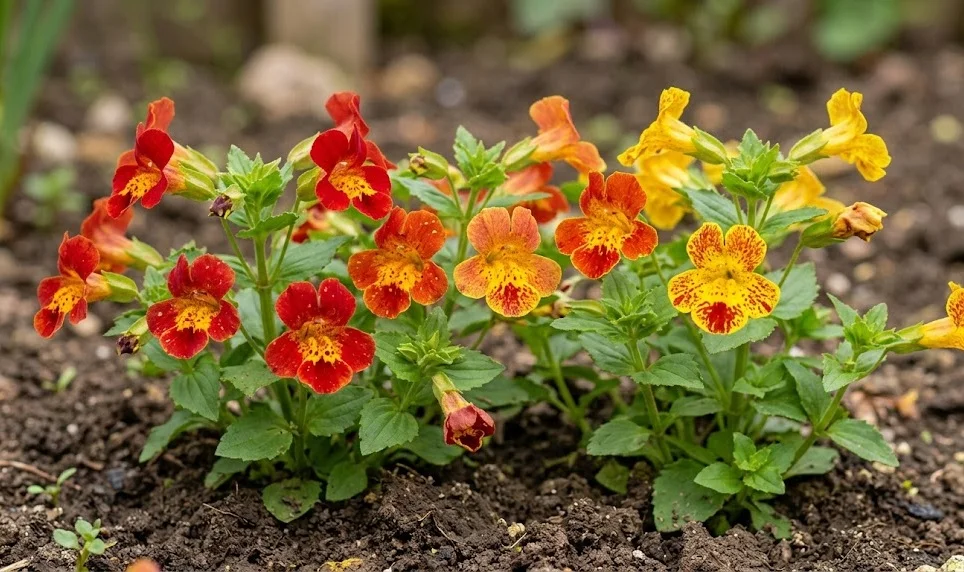

Correct watering is the cornerstone of success when you are cultivating monkey flowers in a garden or container setting. These plants have a naturally high demand for moisture, reflecting their origins in damp habitats near water sources. You should aim to keep the soil consistently moist to the touch without allowing it to become completely saturated or swampy. Finding this balance is essential for preventing the common physiological stresses that can affect these beautiful hybrids.
The timing of your watering routine can significantly impact the health of the plant and the efficiency of moisture absorption. You should ideally water your plants in the early morning before the sun reaches its full intensity and evaporates the surface moisture. This practice allows the water to soak deep into the soil and provides the plant with a reservoir to draw from during the heat of the day. Evening watering is also an option, but you should be careful not to get the foliage wet to avoid fungal issues.
Water quality is a factor that professional gardeners often consider when dealing with sensitive or high-performance hybrids. You should use rainwater whenever possible, as it is naturally soft and free from the chemicals often found in treated municipal supplies. If you must use tap water, letting it sit in a bucket for twenty-four hours can help some of the chlorine to dissipate. This small step can make a noticeable difference in the long-term vitality of the root system and the overall appearance of the leaves.
Monitoring the moisture levels requires more than just a quick glance at the surface of the soil. You should use your finger to check the dampness a few centimeters below the surface to see if the roots are actually receiving water. If the soil feels dry at that depth, it is time to provide a thorough soaking that reaches the entire root zone. Consistent monitoring helps you avoid the cycle of drying out and over-saturating, which can be very stressful for the plant.
Adapting watering to environmental changes
Seasonal shifts in temperature and humidity will require you to adjust your watering frequency throughout the year. During the hot and dry months of mid-summer, you might find that your monkey flowers need a daily dose of hydration. Conversely, in the cooler and rainier periods of spring and autumn, you can often scale back your efforts significantly. Being responsive to the local weather patterns ensures that the plant always has exactly what it needs to thrive.
More articles on this topic
Soil type also dictates how often you will need to reach for the watering can or turn on the irrigation system. Sandy soils drain very quickly and will require more frequent attention to keep the plants from wilting in the sun. Clay-based soils hold onto moisture for much longer, meaning you need to be careful not to overwater and cause root rot. Adding organic matter to either soil type can help create a more stable environment that regulates moisture more effectively.
Container-grown monkey flowers have much more limited access to moisture than those planted directly in the ground. You should be prepared to water your pots more frequently, sometimes even twice a day during an extreme heatwave. Choosing larger containers can help, as they hold a greater volume of soil and moisture, providing a better buffer against drying out. Always ensure that your pots have adequate drainage holes so that excess water can escape freely after each session.
Mulching is a highly effective tool that works in tandem with your watering routine to preserve precious soil moisture. You should apply a layer of organic material around the base of your plants to reduce evaporation from the surface. This layer also keeps the soil temperature cooler, which is a major benefit for plants that prefer a temperate environment. Using materials like shredded leaves or fine bark can also improve the soil structure as they slowly break down over time.
Understanding nutrient requirements and timing
Providing the right nutrients at the right time is essential for supporting the fast growth and heavy blooming of these hybrids. You should begin a regular fertilization program in the late spring as the plant enters its most active phase of development. A balanced, all-purpose fertilizer is usually sufficient to meet the basic needs of the monkey flower during the early season. This initial boost helps the plant build the strong stems and lush foliage necessary to support a long flowering period.
More articles on this topic
The ratio of nutrients in your fertilizer should be chosen carefully to promote blooms rather than just excessive green growth. You might want to look for a formula that has a slightly higher phosphorus content as the flowering season approaches its peak. Phosphorus is the key mineral that supports flower development and ensures that the colors are as vibrant as possible. Avoiding high-nitrogen fertilizers at this stage is a good idea, as they can sometimes lead to weak, leggy stems.
Liquid fertilizers offer a quick and efficient way to deliver nutrients directly to the root zone where they are needed most. You should apply these solutions every two to three weeks, following the manufacturer’s instructions for dilution to avoid over-concentration. It is always better to underwater or under-fertilize slightly than to overdo it and risk damaging the sensitive roots. Applying fertilizer to already moist soil is a professional tip that helps prevent nutrient burn and improves absorption.
Slow-release fertilizers are an excellent alternative for those who prefer a more low-maintenance approach to garden care. You can incorporate these granules into the soil at the beginning of the season to provide a steady supply of nutrients over several months. This method ensures that the plant never experiences a sudden drop in available minerals, even during busy periods when you might forget a feeding. Combining both methods can provide a solid foundation with occasional boosts for maximum performance.
Identifying and correcting nutritional issues
Watching your plants closely will allow you to spot the early signs of nutrient deficiencies before they impact the overall health of the specimen. Yellowing leaves can often be a sign of nitrogen deficiency, or it could indicate that the soil pH is out of balance. If the veins of the leaves stay green while the rest of the tissue turns yellow, the plant might be struggling to absorb iron. Addressing these issues early with a targeted supplement can quickly restore the plant to its full vigor.
Stunted growth or a lack of flowers can also be a signal that the plant is not receiving enough of the essential minerals it needs. You should check the soil quality and consider whether the current fertilization routine is adequate for the plant’s size and stage. Sometimes, simply increasing the frequency of your feeding sessions can stimulate new growth and encourage a second flush of blooms. Understanding the language of your plants is a skill that develops with time and careful observation in the garden.
Over-fertilization is a common mistake that can lead to a buildup of salts in the soil, which eventually harms the root system. You might notice brown, crispy edges on the leaves or a white crust forming on the surface of the soil in containers. If you suspect you have used too much fertilizer, you should flush the soil with plenty of clean water to wash away the excess minerals. Taking a break from feeding for a few weeks will allow the plant time to recover and rebalance its internal chemistry.
The condition of the soil’s organic content is just as important as the chemical fertilizers you choose to use throughout the season. You should regularly add well-rotted compost to the garden beds to provide a slow and natural source of complex nutrients. This organic material also supports a healthy population of soil microbes that help the plant absorb minerals more effectively. A holistic approach to soil health is the best way to ensure long-term success with your monkey flowers.
Finalizing the feeding and hydration strategy
As the growing season draws to a close in the late summer, you should begin to scale back your fertilization efforts gradually. You want to discourage new, tender growth that might be easily damaged by the first frosts of the autumn. Reducing the nutrient supply signals to the plant that it is time to start slowing down and preparing for the dormant period. This transition is a natural part of the plant’s life cycle and should be supported by the gardener.
Watering should also be adjusted as the temperatures drop and the days become shorter in the late autumn months. You should still ensure the soil doesn’t dry out completely, but the plant will naturally require less moisture as its metabolic rate slows. Checking the soil dampness once a week is usually enough during this time, unless the weather remains unseasonably warm and dry. Proper hydration in the autumn helps the plant maintain its structural integrity as it enters the colder season.
Reflecting on the success of your watering and feeding strategy will help you make better decisions for the following year. You should note which types of fertilizer produced the best results and whether your watering schedule was sufficient during the heatwaves. Every garden has its own unique characteristics, and what works for one person might need adjustment for another. Taking the time to learn from your experiences is what transforms a casual gardener into a true expert.
Consistency and observation remain the two most important factors in keeping your monkey flowers healthy and beautiful. You should strive to provide a stable environment where the plant can grow without unnecessary stress or sudden changes. By paying attention to the small details of hydration and nutrition, you can enjoy a spectacular display of blooms all summer long. Your dedication to their care will be rewarded with a vibrant and thriving garden that brings joy to everyone who sees it.