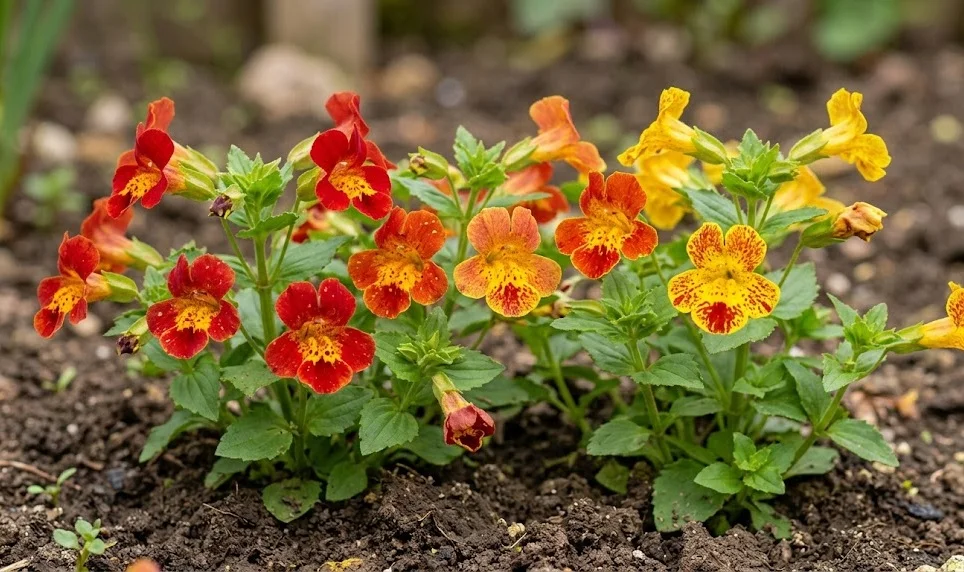

Selecting the right location for your monkey flower is the most critical decision you will make in the planting process. These plants require a spot that offers a perfect balance between moisture retention and adequate light exposure throughout the day. You should look for an area in your garden that remains consistently damp but does not become a stagnant pool of water. Proper site selection sets the stage for a successful growing season and a healthy plant.
Before you begin planting, it is necessary to prepare the soil to ensure that the young roots have the best possible start. You should clear the area of any weeds or debris that could compete with your new plants for nutrients and space. Incorporating a generous amount of organic compost will improve the soil structure and increase its ability to hold moisture. A well-prepared bed provides the loose and airy texture that these hybrids need to establish themselves quickly.
The timing of your planting should coincide with the arrival of stable spring temperatures when the risk of frost has passed. You should check the soil temperature to ensure it is warm enough to support root development without shocking the young plants. Planting during a cloudy day or in the late afternoon can help reduce transplant stress by avoiding the direct midday sun. Giving your plants a gentle start allows them to focus their energy on building a strong root system.
Spacing is another vital consideration that you should plan carefully to avoid overcrowding as the plants reach maturity. You should leave enough room between each specimen to allow for proper air circulation and future expansion of the foliage. Typically, a distance of about twenty to thirty centimeters is sufficient for most hybrid varieties to thrive without competing too much. Correct spacing also makes it easier for you to perform maintenance tasks like weeding and watering throughout the year.
Sowing seeds for a vibrant garden
Starting your monkey flowers from seeds is an affordable and rewarding way to fill your garden with color. You should begin the process indoors about six to eight weeks before the last expected frost date in your region. Using a high-quality seed-starting mix will provide the sterile and light environment that the tiny seeds require to germinate. Press the seeds gently into the surface of the soil, but do not cover them, as they need light to sprout.
More articles on this topic
Maintaining a consistent temperature and moisture level is essential during the early stages of germination. You should place the seed trays in a bright spot that stays around twenty degrees Celsius during the day. Covering the trays with a clear plastic dome can help trap humidity and prevent the soil from drying out too quickly. You will need to check the trays daily and provide a gentle misting if the surface of the medium starts to look dry.
Once the seedlings have developed their first set of true leaves, you should begin the process of hardening them off. You should gradually expose the young plants to outdoor conditions by placing them in a sheltered spot for a few hours each day. This step is crucial for strengthening the plant tissues and preparing them for the realities of the garden environment. Skipping this phase can lead to transplant shock, which can significantly delay the growth of your flowers.
Direct sowing in the garden is also an option if you prefer a more natural approach to planting your seeds. You should wait until the soil has warmed up and the weather is consistently mild before scattering the seeds on the prepared ground. Lightly tamping the soil ensures good seed-to-soil contact, which is necessary for successful germination in an outdoor setting. Keeping the area moist until the seedlings are well-established is the primary task during this period of the plant’s life.
Vegetative propagation and division
Propagation through division is an excellent way to rejuvenate older plants and expand your collection at the same time. You should perform this task in the early spring just as the new growth begins to emerge from the base. Carefully lifting the entire plant from the ground allows you to see the structure of the root system and identify natural separation points. Using a sharp, clean knife or spade ensures that you make clean cuts that heal quickly and reduce the risk of disease.
More articles on this topic
Each new section should have a healthy amount of roots and at least two or three vigorous shoots attached to it. You should replant these divisions immediately into prepared soil to prevent the roots from drying out in the air. Watering the new plants thoroughly helps to settle the soil around the roots and eliminates any large air pockets. This method is highly effective for maintaining the specific characteristics of your favorite hybrid varieties year after year.
Cuttings offer another reliable method for propagating monkey flowers during the active growing season. You should select healthy, non-flowering stems and cut them to a length of about ten centimeters using sharp shears. Removing the lower leaves and dipping the cut end into rooting hormone can increase your chances of success, although it is not always necessary. Placing the cuttings in a pot of moist potting mix and keeping them in a humid environment will encourage new roots to form.
The recovery period for newly propagated plants requires a bit of extra attention and care from the gardener. You should keep the new specimens in a shaded area for the first week to allow them to stabilize without the stress of direct sunlight. Regular watering is essential to support the development of new root tissues and ensure the plant does not wilt. Within a few weeks, you should see signs of new growth, indicating that the propagation process was successful.
Post-planting care and establishment
After you have successfully planted or propagated your monkey flowers, the focus shifts to supporting their initial establishment. You should monitor the moisture levels in the soil very closely during the first month after planting. Providing a deep watering once or twice a week is usually better than frequent shallow sprinkles, as it encourages roots to grow deeper. A well-hydrated plant is much more likely to survive the transition and begin flowering on schedule.
Fertilizing your newly established plants can provide the extra nutrients they need to produce a lush display of foliage. You should use a balanced, water-soluble fertilizer at half strength to avoid burning the young and sensitive roots. Applying the fertilizer every two weeks during the early growth phase will help the plant build a strong framework. As the plant matures, you can transition to a regular feeding schedule that supports the continuous production of flowers.
Weed control is an ongoing task that you must stay on top of to protect your young monkey flowers from competition. You should hand-pull any weeds that appear near the base of your plants to avoid damaging the shallow root systems. Applying a thin layer of organic mulch around the plants can help prevent new weeds from germinating in the first place. Keeping the area clean and free of competition allows your flowers to access all the available light and nutrients.
Final adjustments to the planting site might be necessary if you notice that a particular plant is not thriving as expected. You should not be afraid to move a specimen if its current location turns out to be too sunny or too dry for its liking. These hybrids are relatively resilient and can usually handle being moved if you take enough of the root ball with them. Observing how the plants respond to their environment is the best way to learn how to care for them effectively over the long term.