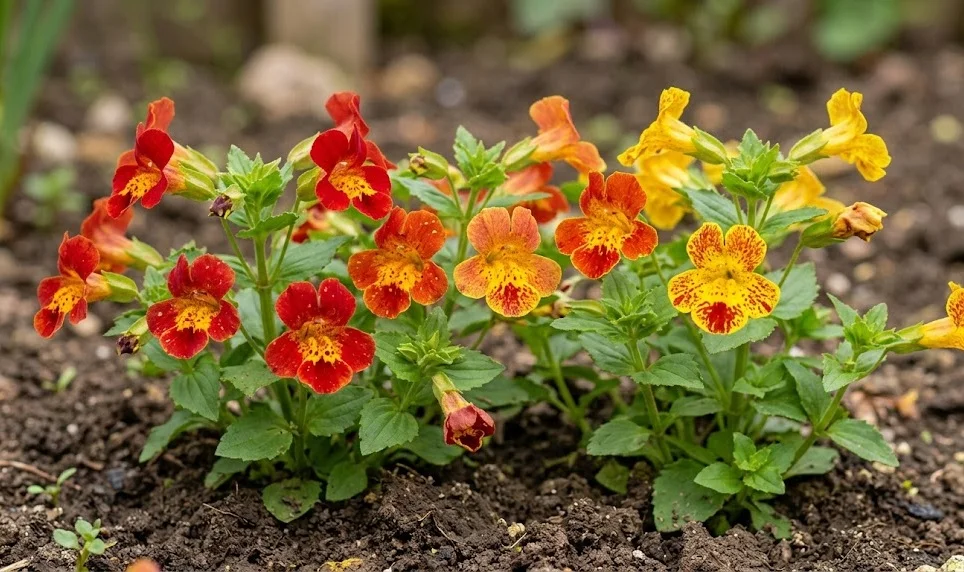

Keeping your monkey flowers healthy requires a vigilant eye for the first signs of fungal infections, which can spread quickly in damp environments. Powdery mildew is one of the most frequent issues you might encounter, appearing as a white, dusty coating on the leaves and stems. This fungus thrives when the air is humid but the soil is relatively dry, or when there is poor air circulation between plants. Addressing this issue early is vital to prevent the fungus from weakening the plant’s overall structure and reducing its flowering potential.
Botrytis, or gray mold, is another fungal disease that can target the delicate blooms and foliage of these hybrids during rainy periods. You will notice soft, brown spots appearing on the petals, which eventually develop a fuzzy gray coating as the spores multiply. To prevent the spread of this mold, you should remove any infected flowers or leaves immediately and dispose of them far from the garden. Keeping the garden tidy and avoiding overhead watering can significantly reduce the risk of a major outbreak.
Root rot is a more serious condition that often occurs when the soil is allowed to stay waterlogged for extended periods without proper drainage. You might notice the plant wilting even when the soil is wet, or the base of the stems may become soft and dark in color. If you suspect root rot, you should try to improve the drainage of the site or move the plant to a more suitable location. Unfortunately, once root rot has taken a firm hold, it can be very difficult to save the affected specimen.
Downy mildew is often confused with powdery mildew, but it typically appears as yellow or pale spots on the upper surface of the leaves. Underneath these spots, you might see a purplish or gray fungal growth that indicates the presence of the pathogen. This disease is particularly fond of cool, wet weather and can cause the leaves to drop prematurely if left untreated. Choosing resistant varieties and ensuring that your plants have plenty of space for airflow are the best preventive measures you can take.
Managing sucking and chewing insects
Aphids are among the most common pests that you will find clustered on the new growth and flower buds of your monkey flowers. These tiny, soft-bodied insects suck the sap from the plant, causing the leaves to curl and become distorted over time. You can often manage a small infestation by simply knocking them off with a strong stream of water from your garden hose. For more persistent populations, using a gentle insecticidal soap or neem oil can be very effective without harming the environment.
More articles on this topic
Slugs and snails can be a major nuisance, especially since these moisture-loving flowers grow in the damp conditions these pests adore. You will likely see large, ragged holes in the leaves and tell-tale silvery slime trails across the soil and foliage in the morning. Using physical barriers like copper tape or crushed eggshells can help deter these unwanted visitors from reaching your prized plants. If the problem becomes severe, setting out simple traps or hand-picking them at night can quickly reduce their numbers.
Spider mites are microscopic pests that can cause significant damage during hot, dry spells when the plant is already under stress. You should look for fine webbing between the leaves and a stippled, yellow appearance on the surface of the foliage. These pests thrive in dusty conditions, so keeping the area around your plants clean and well-hydrated can help keep them at bay. Increasing the local humidity by misting the air can also make the environment less hospitable for these tiny invaders.
Whiteflies are another sucking insect that can occasionally bother monkey flowers, often appearing as a cloud of tiny white specks when the plant is disturbed. They tend to congregate on the undersides of the leaves, where they feed on the sap and excrete a sticky substance known as honeydew. This honeydew can then lead to the growth of sooty mold, which further disfigures the plant and blocks sunlight from the leaves. Yellow sticky traps are a simple and effective way to monitor and control whitefly populations in the garden.
Addressing soil-borne and environmental issues
Soil-borne pathogens can sometimes linger in the earth and attack the roots of your monkey flowers when the conditions are right. You should practice crop rotation if possible, avoiding planting the same species in the same spot year after year to break the disease cycle. If you notice a particular area of your garden consistently produces sickly plants, it might be worth testing the soil for specific pathogens. Improving the organic content of the soil can also help support beneficial microbes that naturally compete with harmful fungi.
More articles on this topic
Physiological disorders, such as leaf scorch, are often mistaken for disease but are actually caused by environmental stress. You might see the edges of the leaves turning brown and crispy after a period of intense sun or drying winds. This is a sign that the plant is losing moisture faster than the roots can replace it, even if the soil is relatively damp. Providing temporary shade during the hottest part of the day can help prevent this unsightly damage and keep the plant healthy.
Nutrient imbalances can also manifest in ways that look like viral or fungal infections to the untrained eye. For example, a lack of magnesium can cause the older leaves to turn yellow between the veins, a condition known as interveinal chlorosis. You should ensure that you are using a balanced fertilizer that includes micronutrients to avoid these common growing pains. Keeping the soil pH within the ideal range ensures that all the minerals in the ground are actually available for the plant to use.
Viruses are relatively rare in monkey flowers, but they can be devastating if they do occur, often causing strange mottling or streaking on the leaves. There is no cure for viral infections in plants, so the only course of action is to remove and destroy the infected specimen to protect the rest of your garden. Viruses are often spread by sucking insects like aphids, so controlling these pests is your best line of defense. Always buy your plants from reputable sources to ensure you are starting with healthy, disease-free stock.
Implementing organic and preventive measures
The best way to manage pests and diseases is to prevent them from occurring in the first place through good cultural practices. You should always start with healthy plants and ensure they are placed in a location that meets their specific needs for light and moisture. A strong, vigorous plant is naturally more resistant to the attacks of insects and the spread of fungal spores. Regular observation allows you to catch any potential issues early when they are much easier to manage without harsh chemicals.
Companion planting is an age-old technique that you can use to naturally deter pests and encourage beneficial insects in your garden. You might consider planting marigolds or alliums nearby, as their strong scents can help mask the presence of your monkey flowers from certain insects. Encouraging predators like ladybugs and lacewings will provide you with a built-in pest control team that works around the clock. Creating a biodiverse environment is one of the most effective long-term strategies for a healthy and vibrant garden.
Sanitation is a critical part of garden maintenance that many people overlook until a problem arises. You should always clean your gardening tools with a mild disinfectant after working on a plant that shows signs of disease. Removing fallen leaves and spent flowers from the ground prevents them from becoming a breeding ground for mold and overwintering pests. Keeping the area around your plants tidy reduces the hiding spots for slugs and other crawling insects that might do damage.
Biological controls offer a modern and environmentally friendly way to deal with specific pest outbreaks without resorting to synthetic pesticides. You can purchase beneficial nematodes to control soil-dwelling larvae or release parasitic wasps to target aphid colonies. These methods work in harmony with nature and help maintain a healthy balance in your local ecosystem. Using these targeted approaches ensures that you are only dealing with the pests and not harming the bees and butterflies that visit your flowers.
Evaluating and adjusting your health strategy
After dealing with a pest or disease issue, you should take the time to reflect on why it happened and how you can prevent it next time. You might realize that the plants were spaced too closely together, which limited the air circulation and encouraged fungal growth. Adjusting your planting plan for the following year can make a huge difference in the overall health of your garden. Every challenge you face is an opportunity to learn more about the unique needs of your plants and the local environment.
Keeping a garden journal is an excellent way to track the occurrence of different pests and diseases throughout the seasons. You should note down when specific issues appeared and what methods you used to resolve them, as well as the results of those actions. Over time, you will start to see patterns and can anticipate potential problems before they even start. This proactive approach takes the guesswork out of garden care and allows you to enjoy your hobby with more confidence.
Sharing your observations with other local gardeners can provide valuable insights into regional trends and emerging pest issues. You might find that everyone in your area is struggling with the same type of mildew due to a particularly humid summer. Exchanging tips on effective organic treatments or resistant varieties helps the entire community achieve better results. Gardening is a shared journey, and we can all benefit from the collective wisdom of our neighbors and friends.
A healthy garden is a dynamic and resilient system that can usually handle a small amount of pest activity without any lasting damage. You should not aim for a completely sterile environment, but rather one where nature is in balance and the plants are strong enough to thrive. By focusing on soil health, proper watering, and regular monitoring, you create the best possible conditions for your monkey flowers. Your efforts will be rewarded with a spectacular display of color and vitality that lasts all season long.