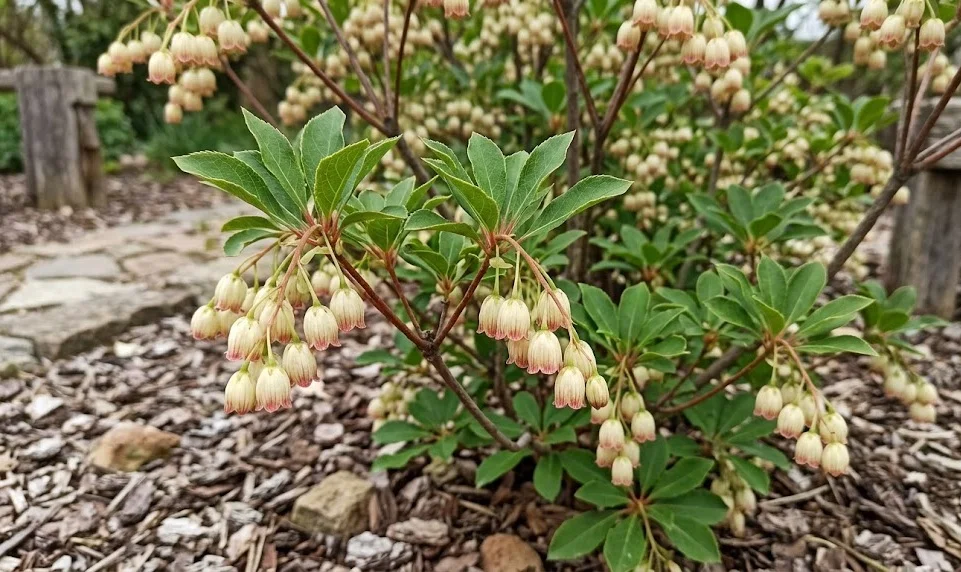

Proper hydration and nutrition are the twin pillars of maintaining a vibrant redvein enkianthus in the garden landscape. This species is native to mountainous regions where rainfall is frequent and the soil is naturally rich in organic matter. To replicate these conditions, one must develop a consistent routine that balances moisture without causing waterlogging. Understanding the specific timing for both watering and feeding will result in a much stronger and more resilient plant.
Watering should always be done at the base of the plant to keep the foliage as dry as possible. Wet leaves can often lead to fungal issues, especially during the humid summer months. The goal is to keep the soil consistently moist but never saturated, as the roots need air to breathe. A deep soaking once or twice a week is generally more effective than light daily sprinkling.
The quality of the water you use can significantly impact the long-term health of the shrub. Rainwater is the gold standard for all acid-loving plants because it has a naturally low pH. If you must use tap water, be aware that many municipal sources contain minerals that can raise soil pH. Monitoring the soil’s acidity periodically will help you catch any negative shifts caused by irrigation water.
During periods of extreme heat, the plant’s demand for water will increase dramatically as it loses moisture through its leaves. You may notice the foliage drooping slightly in the afternoon, which is a clear signal that it needs a drink. Early morning is the best time to water, as it allows the plant to hydrate before the sun reaches its peak. This practice also ensures that any accidental splashes on the leaves evaporate quickly.
Hydration needs and water quality
For a newly planted specimen, watering is the most critical task during the first two growing seasons. The root system is still limited to the original root ball, so it can dry out much faster than the surrounding soil. Check the moisture level by inserting a finger an inch into the ground near the stem. If the soil feels dry at that depth, it is time to provide a thorough soaking.
More articles on this topic
As the plant matures, it becomes slightly more tolerant of brief dry spells, but it never becomes a truly drought-tolerant species. Established shrubs have a wider root network that can access moisture from a larger area of the garden. However, during a drought, even old plants will require supplemental irrigation to prevent leaf drop. Consistency remains the most important factor for preventing stress-related health problems.
Using a soaker hose or a drip irrigation system is a highly efficient way to manage the watering needs of this shrub. These methods deliver water directly to the root zone with minimal evaporation or runoff. They also allow for a slow, steady release of moisture that penetrates deep into the soil profile. This encourages the roots to grow deeper, making the plant more stable and self-sufficient over time.
In autumn, you should gradually reduce the frequency of watering as the plant enters its natural dormancy phase. The soil should still stay moist, but the plant no longer needs the high volume of water required during active growth. Too much water in late fall can sometimes encourage late-season growth that is susceptible to frost damage. Find a balance that keeps the roots hydrated without stimulating new green shoots.
Nutrients for acid loving plants
Fertilizing the redvein enkianthus should be done with a product specifically formulated for acid-loving plants. These fertilizers often contain ammonium sulfate or urea, which help maintain a low soil pH while providing nitrogen. They also typically include essential micronutrients like iron and manganese that are vital for these species. Regular garden fertilizers may contain too much phosphorus or lime, which can be harmful.
More articles on this topic
The best time to apply fertilizer is in the early spring, just as the new growth begins to emerge. This gives the plant a nutritional boost when it needs it most for developing leaves and flowers. One application of a slow-release formula is usually sufficient for the entire growing season. Over-feeding can lead to excessive leggy growth and may actually reduce the density of the flowers.
If you prefer organic methods, a thick layer of well-rotted compost or leaf mold can provide many of the necessary nutrients. These materials break down slowly and improve the overall structure of the soil while feeding the plant. You can also use organic amendments like cottonseed meal, which is naturally acidic and gentle. Organic options are less likely to cause root burn compared to concentrated synthetic products.
Never fertilize a plant that is already stressed by drought or extreme heat, as this can cause further damage. The roots must be well-hydrated before they can safely process the salts found in most fertilizers. Always water the plant thoroughly both before and after applying any nutritional supplements. This ensures that the nutrients are moved down into the root zone where they can be used.
Application methods for fertilizers
When applying granular fertilizer, scatter it evenly around the drip line of the shrub, which is the area under the outer branches. Avoid placing any fertilizer directly against the main trunk, as this can cause chemical burns to the bark. Lightly scratch the granules into the surface of the mulch or soil to ensure they stay in place. Follow the manufacturer’s instructions carefully regarding the amount to use for the size of your plant.
Liquid fertilizers are a good option for a quick nutrient boost if the plant is showing signs of deficiency. These are absorbed rapidly through both the roots and, in some cases, the foliage. However, the effects of liquid feeds are short-lived, and they need to be applied more frequently than granular types. Use them as a supplement rather than a primary source of nutrition for your shrubs.
Foliar feeding is a specialized technique where a diluted nutrient solution is sprayed directly onto the leaves. This can be particularly helpful for correcting iron chlorosis, where the leaves turn yellow while the veins stay green. It is a temporary fix that addresses the symptoms while you work on correcting the underlying soil pH. Always apply foliar sprays on a cloudy day or in the evening to prevent leaf scorch.
For large, established specimens, you might only need to fertilize every two or three years if the soil is naturally rich. The plant’s growth rate and the color of its leaves are the best indicators of its nutritional status. If the shrub looks healthy and is blooming well, it may not need any additional chemicals. Trust your observations and adjust your feeding schedule based on the actual performance of the plant.
Signs of overwatering and nutrient issues
Yellowing leaves with green veins, known as chlorosis, is the most common sign of a pH or nutrient problem. This usually indicates that the soil is too alkaline, preventing the plant from absorbing iron. If you see this, test the soil pH immediately and apply an acidifying agent if necessary. Ignoring this symptom will eventually lead to stunted growth and a decline in the plant’s overall health.
Overwatering can manifest as wilting leaves that do not recover even after the soil has dried out. When the roots are constantly wet, they begin to rot and lose their ability to transport water to the rest of the plant. Paradoxically, an overwatered plant often looks like it is suffering from a lack of water. If the soil feels soggy and the plant looks unhappy, stop watering immediately and check the drainage.
Leaf burn or brown tips can be a sign of fertilizer salt buildup in the root zone. This happens when too much fertilizer is used or when the soil is not flushed with enough water. If you suspect this, you can try to leach the salts out by watering heavily for several days in a row. Moving forward, use half the recommended strength of fertilizer to avoid repeating the problem.
Stunted growth and a lack of flowers may simply mean the soil is depleted of essential nutrients. In such cases, a soil test can provide a detailed breakdown of what is missing from the environment. Sometimes, simply adding a fresh layer of organic mulch is enough to jumpstart the plant’s vitality. A professional approach to troubleshooting will always yield the best results for your garden.
Managing the seasonal cycles
In the early spring, the focus is on providing nitrogen to support the rapid development of new foliage. As the season progresses into summer, the plant’s needs shift toward maintaining its energy for the next year’s buds. Avoid any heavy nitrogen feeding after mid-summer, as this can stimulate soft growth that won’t harden before winter. This timing is essential for ensuring the plant survives the first frosts of autumn.
The role of watering changes as the weather cools down and the days become shorter. While the plant is dormant in winter, it still loses a small amount of moisture through its bark and stems. If the ground is not frozen, a light watering during a winter dry spell can be very beneficial. This prevents the woody tissues from becoming dangerously desiccated during the cold months.
Spring rains often take care of the watering needs during the most active growth period of the year. However, you should never assume that a light rain shower has reached deep enough into the soil. Use a rain gauge to monitor how much water your garden is actually receiving each week. If nature doesn’t provide at least an inch of water, you should step in with the hose.
Creating a calendar for your watering and fertilizing tasks can help you stay organized and consistent. Mark the dates when you apply nutrients so you don’t accidentally over-feed the shrub later. Note any unusual weather patterns that might require you to adjust your normal irrigation routine. This proactive management style is what separates amateur gardeners from true experts.