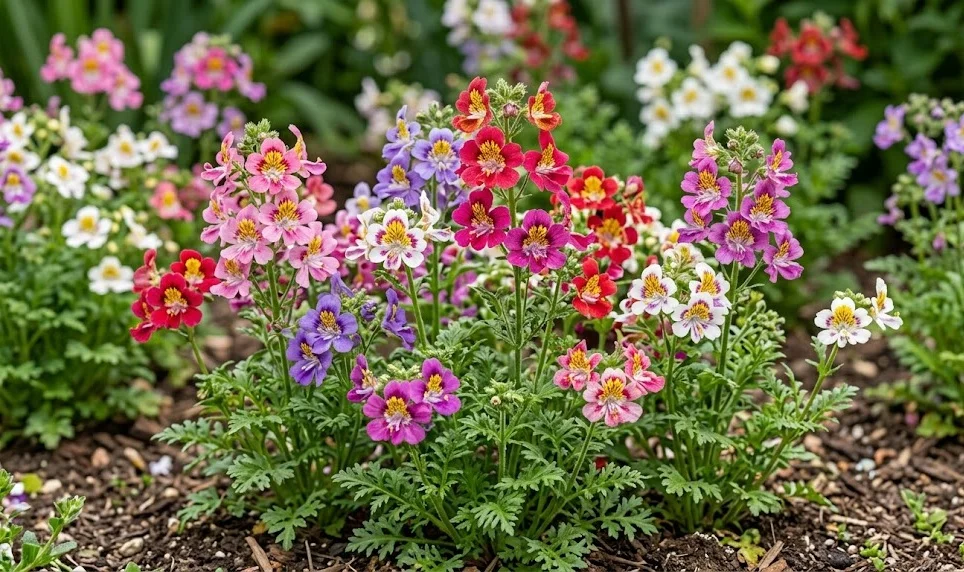

Understanding the interplay between light and temperature is the most critical factor in achieving the vibrant, orchid-like display of the butterfly flower. These plants are somewhat unique in that they crave brightness but are physically harmed by the heat that often accompanies direct sunlight. Finding the “sweet spot” in your garden requires a keen eye for how the sun moves across your landscape throughout the day. By carefully managing their exposure, you can ensure the foliage stays lush and the intricate patterns of the petals remain vivid and unburnt.
Finding the perfect exposure
The ideal lighting for a butterfly flower is often described as “bright indirect light” or “filtered sun.” This means the plant should receive plenty of illumination to fuel its photosynthesis, but the sun’s rays should not hit the leaves directly during the hottest parts of the day. A location under the dappled shade of a high-canopy tree is perhaps the most perfect environment you can provide. This mimics their natural alpine-like habitat where the air stays cool even when the sun is out.
If you are planting in an open garden bed, the east-facing side of a house or a tall fence is usually the best choice. This position allows the plants to soak up the gentle morning sun, which provides energy without the intense heat of the afternoon. By the time the sun reaches its peak intensity, the plant will be safely in the shade of the structure. This “morning light only” strategy is a proven way to prevent the wilting and leaf-scorching that plagues many sun-stressed plants.
You should avoid placing these flowers in deep, heavy shade where they never see a ray of sun. While they hate the heat, they still need light to produce the energy required for their massive floral output. In too much shade, the stems will become “etiolated,” meaning they grow long, thin, and weak as they stretch toward the nearest light source. The resulting plant will be spindly, flop over easily, and produce only a handful of small, pale flowers.
For those growing in containers on a balcony or patio, you have the advantage of being able to move the pots as the seasons change. In the early spring, you can place them in a sunnier spot to help them warm up and start growing. As the summer progresses and the sun gets higher and hotter, you can slide them back into a more shaded corner. This mobility allows you to provide the perfect “light diet” for the plant regardless of what the weather is doing.
More articles on this topic
Protecting from intense afternoon sun
The afternoon sun, typically between the hours of noon and four, is the greatest threat to the health of your butterfly flowers. The ultraviolet rays during this period are at their most intense and can cause permanent damage to the delicate plant tissues. You may notice “sunscald,” which appears as white or tan papery patches on the leaves where the cells have literally been cooked. Once this damage occurs, the affected leaves cannot recover and will eventually die and fall off.
If your only available planting spot is in a sun-exposed area, you can create artificial shade to protect your plants. Installing a piece of lattice or a decorative garden screen can provide the necessary buffer against the harshest rays. You can also use “shade cloth,” which is a specialized fabric designed to block a certain percentage of sunlight while still allowing air to circulate. This is a common practice in professional nurseries to keep sensitive species looking their best during heatwaves.
Grouping your butterfly flowers behind taller, sun-loving plants is another clever way to manage light levels. For example, planting them on the north side of a row of sturdy zinnias or sunflowers provides a natural “parasol.” The taller plants soak up the intense light they love, while the butterfly flowers thrive in the cool, shaded microclimate created beneath them. This layered approach to gardening is both aesthetically pleasing and functionally superior for sensitive species.
Monitoring the plant’s physical reaction to light will tell you if you need to make an adjustment. If the leaves are turning a dark, healthy green and the plant is compact, the light level is likely perfect. However, if the leaves look washed out or yellow, or if they feel warm to the touch, the plant is getting too much direct sun. A quick move to a slightly more protected spot can often result in a visible improvement within just a few days.
More articles on this topic
Adjusting light based on climate
Your specific geographical location will dictate how much sun your butterfly flowers can safely handle. In northern regions where the summers are relatively mild and the sun is less intense, these plants can often tolerate much more direct exposure. In fact, a bit of extra sun in a cool climate can help the plant stay warmer and produce more flowers. Understanding your local “sun strength” is a key part of becoming an expert gardener in your specific area.
In contrast, if you live in a southern or inland region with high heat and intense light, you must be much more protective. In these areas, even an hour of direct afternoon sun can be fatal to the delicate butterfly flower. You might find that they perform best when grown as a “houseplant” in a very bright, air-conditioned room during the peak of summer. Alternatively, they can be treated as early spring or late autumn crops when the sun’s angle is lower and the air is naturally cooler.
Humidity also plays a subtle role in how plants process light and heat. In humid climates, the moisture in the air can actually act as a slight filter for the sun’s rays, providing a bit of natural protection. However, high humidity combined with high heat is a very difficult environment for this species to navigate. In dry, arid climates, the sun is much more “piercing,” and the risk of rapid dehydration and sunscald is significantly increased.
Finally, remember that the light requirements can change as the plant moves through its different life stages. Young seedlings are the most sensitive and should be kept in very bright but completely indirect light until they have several sets of true leaves. As the plant matures and develops a thicker canopy, it becomes slightly more resilient, but it never loses its fundamental need for cool roots. By staying attentive to these shifting needs, you can maintain a spectacular floral display from the first bloom to the last.