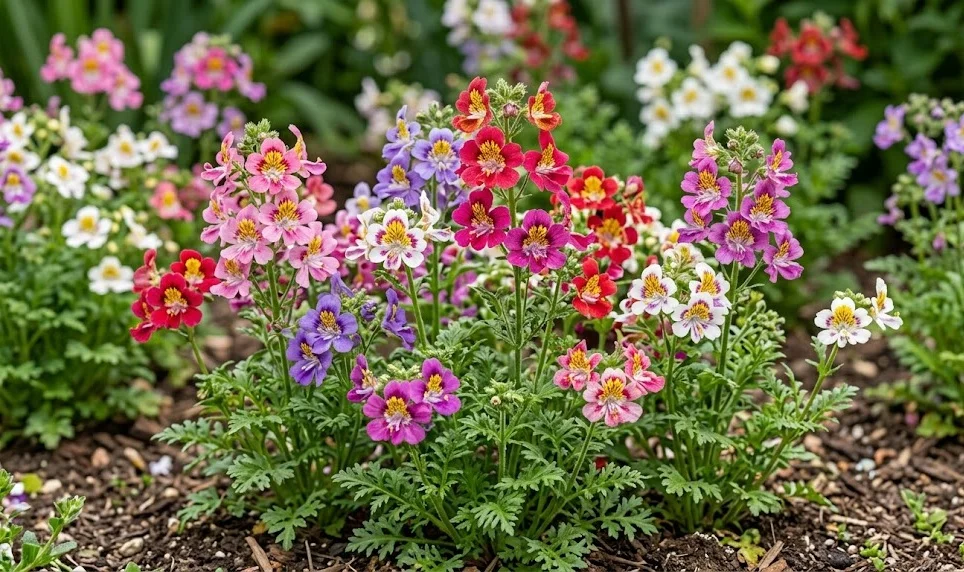

The art of pruning the butterfly flower is what transforms a wild, leggy specimen into a compact and floriferous masterpiece. These plants have a natural tendency to grow tall and thin if left to their own devices, which can lead to them falling over under the weight of their own blooms. By intervening with a few strategic snips at the right times, you can control the architecture of the plant and significantly extend its lifespan. Pruning is not just about aesthetics; it is a vital maintenance task that keeps the plant healthy and productive.
Pinching back for bushier growth
Pinching is the process of removing the very tip of a young stem to encourage the plant to branch out from the lower nodes. You should start this practice when your butterfly flowers are about four to six inches tall and have several sets of leaves. By using your thumbnail or a pair of small snips to remove the central growing point, you “wake up” the dormant buds lower down. This results in a plant that has two or even four main stems instead of just one, creating a much fuller appearance.
You can repeat this pinching process a second time once the new side branches have grown a few inches long. While this will slightly delay the appearance of the first flowers, the eventual payoff is a much more robust and impressive display. A pinched plant is naturally more self-supporting and less likely to require staking as it grows larger. It also produces a higher density of leaves, which helps shade the soil and keep the root zone cool.
The best way to pinch is to look for a “node,” which is the point on the stem where the leaves emerge. Make your cut or pinch just above this node, being careful not to damage the tiny buds that are waiting there. If you pinch too high and leave a long “stub” of stem, it can rot and provide an entry point for disease. A clean, precise removal of the tip is all that is needed to redirect the plant’s hormonal energy into lateral growth.
Don’t be afraid that you are “hurting” the plant by removing these early tips. In nature, this type of damage is often caused by grazing animals, and the plant has evolved to respond by growing back even stronger. Think of it as a form of “tough love” that sets the foundation for a successful season. Once the plant has reached your desired level of bushiness, you can stop pinching and allow the flower buds to begin their development.
More articles on this topic
Deadheading to extend blooming
Deadheading is the simple act of removing flowers as they begin to fade and lose their color. For the butterfly flower, this is a crucial task because the plant’s primary goal is to produce seeds and complete its life cycle. Once a flower is pollinated and starts to form a seed pod, the plant shifts its energy away from making new blooms. By removing the spent flowers, you “trick” the plant into continuing its floral production in a desperate attempt to reproduce.
You should check your plants every few days and snip off any blossoms that are looking tattered or turning brown. Don’t just pull off the petals; make sure to remove the entire flower head along with the small green structure at its base where the seeds would form. Using a small pair of floral snips or sharp scissors is much better than pulling by hand, as it prevents accidental damage to the stems. This regular “grooming” keeps the plant looking fresh and prevents the buildup of old tissue.
If you have a large mass of butterfly flowers, deadheading individual blossoms can be time-consuming. In this case, you can wait until a whole cluster of flowers has finished and then snip the entire stalk back to the nearest set of leaves. This “bulk deadheading” is much faster and still provides the same rejuvenation benefits to the plant. It also helps maintain a tidy appearance for the garden bed as a whole, preventing it from looking messy or neglected.
Beyond just encouraging more flowers, deadheading also helps prevent the spread of certain fungal diseases. Old, decaying petals are the perfect breeding ground for gray mold (Botrytis), especially in damp weather. By keeping the plant clear of “trashy” old growth, you are improving the airflow and reducing the moisture traps on the foliage. It is a dual-purpose task that improves both the beauty and the health of your garden.
More articles on this topic
Mid-season rejuvenation pruning
By mid-summer, even the best-cared-for butterfly flower can start to look a bit “tired” or overgrown. The stems may become long and bare at the bottom, and the flower production might start to slow down. This is the perfect time for a more aggressive “rejuvenation prune” to give the plant a second wind. You can cut the entire plant back by about one-third or even one-half of its total height using a sharp pair of bypass pruners.
While it can be difficult to cut away a plant that still has some flowers on it, the results are almost always worth the sacrifice. After this hard pruning, you should give the plant a good watering and a dose of balanced liquid fertilizer. Within a week or two, you will see a flush of fresh, vibrant green growth emerging from the base and the lower nodes. This new growth will be much more vigorous than the old, woody stems it replaced.
This mid-season “haircut” also gives you a chance to inspect the interior of the plant for any hidden pests or disease issues. Removing the excess bulk improves light penetration to the center of the plant, which helps prevent the lower leaves from yellowing and falling off. It’s like a reset button for the plant’s internal clock, allowing it to provide a second, spectacular show of flowers during the cooler days of late summer and early autumn.
Always make sure your pruning tools are clean and sharp before you start this process. Dull blades can crush the stems instead of cutting them, which leads to slow healing and an increased risk of infection. You can wipe your blades with a bit of rubbing alcohol between plants to ensure you aren’t spreading any invisible pathogens. With a little bravery and a sharp set of shears, you can keep your butterfly flowers looking like they just came from the nursery all season long.