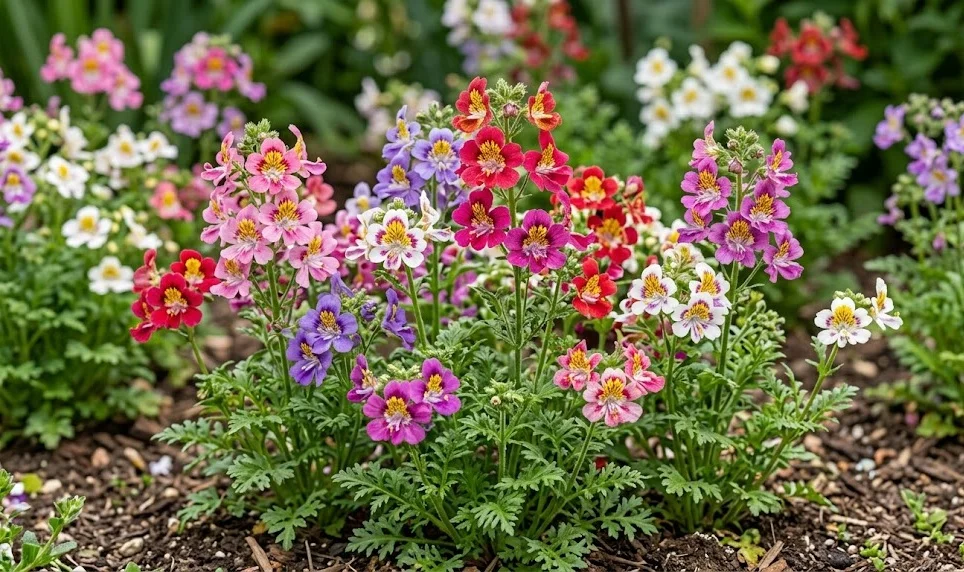

Mastering the hydration and nutrition of the butterfly flower is the secret to a long-lasting and prolific bloom season. These plants are known for their specific needs, often acting as a “canary in the coal mine” for soil moisture levels. If you let them dry out too much, they may never fully recover their former glory, but if you overwater, they can rot overnight. By developing a consistent routine and using the right products, you can provide the stability these beautiful flowers need to thrive in any garden setting.
Establishing a watering schedule
The most important rule for watering the butterfly flower is consistency above all else. You should aim to keep the soil “pleasantly moist,” which feels like a wrung-out sponge when you touch it. Checking the soil every morning is the best way to stay ahead of the plant’s needs before the sun gets too high. If the top inch of soil feels dry to the touch, it is time to give the plant a thorough drink.
Early morning is the ideal time to water because it allows the foliage to dry out before evening. When water sits on the leaves overnight, it creates an inviting environment for various fungal diseases and molds. If you must water in the evening, try to apply the moisture directly to the soil surface to keep the leaves as dry as possible. This simple timing adjustment can prevent a host of health problems later in the season.
During the height of summer, you may find that a once-a-day watering routine is not enough for container-grown plants. Pots dry out much faster than the ground because they are exposed to air on all sides. You might need to check your containers both in the morning and again in the late afternoon. If the plant begins to droop, it is sending an emergency signal that its water reserves are depleted and needs immediate attention.
You should always water deeply rather than giving the plants frequent, shallow sprinkles. Deep watering encourages the roots to grow further down into the soil, where they are better protected from surface temperature fluctuations. Use a gentle flow of water to avoid washing away the soil or damaging the delicate lower stems. If you see water running off the surface rather than soaking in, slow down and let it penetrate the earth gradually.
More articles on this topic
Techniques for moisture management
Using mulch is one of the most effective ways to manage moisture levels without having to water constantly. A two-inch layer of organic material like shredded bark or compost helps lock moisture into the ground. It acts as an insulating blanket that prevents the sun from baking the surface of the soil. As the mulch breaks down over time, it also adds valuable nutrients back into the ecosystem, feeding the plant from the top down.
For those with large collections of butterfly flowers, installing a drip irrigation system can be a lifesaver. Drip systems deliver water directly to the root zone at a slow, steady rate that minimizes waste and evaporation. This method ensures that every plant gets exactly the same amount of hydration without getting the flowers wet. You can even set these systems on a timer to automate the process during busy work weeks.
In very hot climates, you might consider using “self-watering” pots that feature a reservoir at the bottom. These containers allow the plant to draw up water through capillary action as needed, providing a very stable environment. It reduces the stress of fluctuating moisture levels, which is often what causes the plant to stop blooming. Just be careful not to keep the reservoir so full that the soil becomes waterlogged and anaerobic.
The type of water you use can also have a subtle impact on the health of your plants over time. If your tap water is very hard or high in chlorine, the butterfly flower may show signs of leaf tip burn. Using collected rainwater is often the best choice because it is naturally soft and free of treatment chemicals. If rainwater isn’t an option, letting your tap water sit in an open container for twenty-four hours can help dissipate some of the chlorine.
More articles on this topic
Nutrient requirements for blooming
To sustain its heavy production of intricate flowers, this species requires a steady supply of high-quality nutrients. You should think of fertilizer as the fuel that keeps the floral engine running throughout the spring and summer. They are particularly fond of potassium, which helps regulate water movement within the plant and strengthens the flower stalks. A deficiency in key minerals will quickly manifest as pale leaves and small, lackluster blossoms.
A balanced N-P-K fertilizer, such as a 10-10-10 formula, is a good starting point for the early growth stages. This provides equal parts nitrogen for leaf growth, phosphorus for root development, and potassium for overall health. Once the plant is established and beginning to show its first buds, you can transition to a more specific “bloom booster” formula. These specialized fertilizers are designed to maximize the size and color intensity of the petals.
Micronutrients like iron, magnesium, and calcium are also essential, though they are needed in much smaller quantities. Most high-quality commercial fertilizers include these “trace elements” in their mixture. If you notice yellowing between the veins of the leaves, it could be a sign of iron deficiency, which is common in alkaline soils. Adding a chelated iron supplement can quickly correct this issue and restore the plant’s deep green color.
Organic options, such as fish emulsion or liquid seaweed, are excellent alternatives to synthetic chemicals. These natural fertilizers provide a slower, more sustained release of nutrients that is less likely to cause root burn. They also help support a healthy population of beneficial soil microbes, which improve the plant’s ability to absorb food. Mixing organic and synthetic methods can often yield the best results for the average home gardener.
Types of fertilizers to use
Water-soluble fertilizers are generally the most popular choice for butterfly flowers because they are so easy to apply. You simply mix the powder or liquid into your watering can and feed the plant as you hydrate it. This method ensures that the nutrients are immediately available to the roots for fast absorption. It is especially effective for container plants that need a quick boost during their peak growing cycle.
Slow-release granules are another excellent option, particularly for those who prefer a more “hands-off” approach. You sprinkle these granules on the soil surface at the beginning of the season, and they slowly dissolve every time it rains or you water. This provides a constant, low-level stream of nutrition that lasts for several months. It’s a great insurance policy to make sure your plants never go hungry, even if you miss a scheduled liquid feeding.
Folier feeding, or spraying a diluted nutrient solution directly onto the leaves, can be used for a quick pick-me-up. The leaves can absorb certain minerals much faster than the roots, making this a great way to address sudden deficiencies. However, you must be careful not to do this in direct sunlight, as the water droplets can act like magnifying glasses and burn the foliage. Always use a very fine mist and apply it during the cooler parts of the day.
Compost tea is a homemade liquid fertilizer that many expert gardeners swear by for sensitive species. By soaking high-quality compost in water for a few days, you create a nutrient-rich “tea” that is packed with life. It is gentle enough to use frequently and helps build the long-term health of the soil. This traditional method is a fantastic way to recycle garden waste back into your most beautiful ornamental displays.
Avoiding common feeding mistakes
The most frequent mistake gardeners make is over-fertilizing in an attempt to get “mega” blooms. Excess fertilizer can lead to a buildup of salts in the soil, which actually prevents the roots from taking up water. If you see a white, crusty film on the surface of the soil, you should immediately flush it with plain water to wash away the excess. It is always better to under-feed slightly than to risk “burning” the plant with too much chemistry.
Another common error is applying fertilizer to a plant that is already suffering from drought stress. When a plant is wilted, its roots are in a protective state and cannot process nutrients effectively. Adding fertilizer at this moment can cause severe damage to the root hairs, making the recovery even more difficult. Always ensure the plant is well-hydrated and upright before you introduce any type of concentrated food.
Using the wrong type of fertilizer for the specific stage of growth can also lead to disappointing results. For example, applying a very high-nitrogen fertilizer late in the season will result in lots of new green stems that won’t have time to flower. This soft, succulent growth is also much more attractive to pests like aphids and whiteflies. Always match your fertilizer choice to what the plant is actually trying to do at that specific moment.
Finally, ignoring the instructions on the product label is a recipe for disaster in the garden. Every manufacturer has a different concentration, and “more” is rarely “better” when it comes to plant nutrition. Use a dedicated measuring spoon or cup to ensure you are mixing the correct ratio every time. With a disciplined and thoughtful approach to watering and feeding, your butterfly flowers will be the envy of the neighborhood.