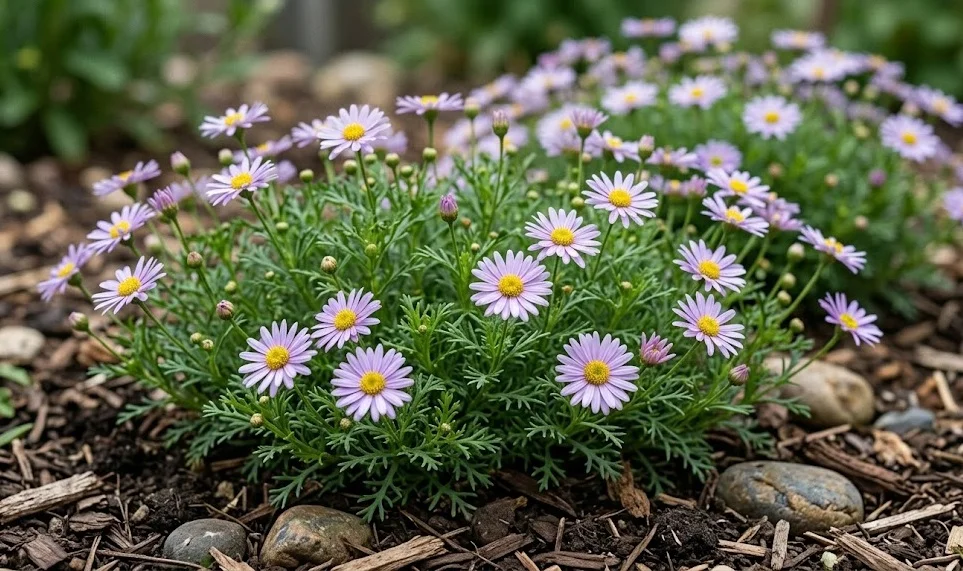

Watering is often considered the most frequent and yet the most misunderstood task in the maintenance of the Australian daisy. These plants possess a moderate tolerance for drought once they are established, but they perform significantly better with a consistent supply of moisture. The goal for a professional gardener is to keep the soil evenly damp without ever allowing it to become saturated or soggy. Achieving this balance requires a keen eye and a deep understanding of how environmental factors influence water loss.
The frequency of watering depends heavily on the weather conditions, the type of soil, and whether the plant is in the ground or a container. During the peak of summer, the high evaporation rates may necessitate daily checks to ensure the root zone hasn’t dried out completely. Conversely, during cooler or overcast periods, the plant may only need water every few days to maintain its health. Over-watering is just as detrimental as under-watering, as it can lead to oxygen deprivation in the roots and the onset of decay.
Applying water directly to the base of the plant is the most efficient and effective method of delivery. This ensures that the moisture reaches the roots where it is needed most while keeping the foliage dry. Wet leaves can act as a breeding ground for various fungal diseases, which can quickly mar the beauty of the delicate flowers. Using a drip irrigation system or a soaker hose is a professional way to automate this process while maintaining precision.
Morning is the absolute best time of day to water, as it allows the plant to hydrate before the intensity of the sun increases. Any water that accidentally gets on the leaves will have plenty of time to evaporate during the day. Watering in the evening should be avoided if possible, as the prolonged dampness overnight can encourage unwanted pests and pathogens. This simple timing adjustment can have a profound impact on the overall vigor and disease resistance of the daisies.
Recognizing the signs of water stress
A professional gardener must be able to read the physical cues that the plant provides when its hydration levels are not optimal. Wilting is the most obvious sign of water deficiency, but it is important to distinguish between temporary heat-related drooping and actual thirst. If the plant does not recover shortly after the sun goes down, it is a clear indication that the soil is too dry. Prolonged periods of drought stress will lead to leaf drop and a significant reduction in flower production.
More articles on this topic
Interestingly, over-watered plants can also exhibit signs of wilting, which can be confusing for many beginners. This happens because the damaged roots are no longer able to take up water, even though the soil is wet. Checking the soil moisture manually by inserting a finger a few inches into the earth is the most reliable way to diagnose the problem. If the soil feels muddy or has a sour smell, it is a sign that the drainage needs to be improved immediately.
Leaf color can also provide clues about the moisture status of the Australian daisy over a longer period. Leaves that turn yellow starting from the bottom of the plant often indicate a chronic over-watering issue. On the other hand, leaves that become crispy and brown at the edges are usually a sign that the plant has been allowed to dry out too much between waterings. Maintaining a consistent routine helps to prevent these extremes and keeps the foliage a healthy, vibrant green.
Recovery from water stress takes time and should be managed carefully to avoid further shocking the plant. If a plant has dried out severely, it should be rehydrated slowly rather than being flooded all at once. For container plants that have become extremely dry, soaking the entire pot in a basin of water for twenty minutes can help the soil reabsorb moisture. Once the plant has recovered, it is vital to analyze why the stress occurred and adjust the care plan accordingly.
Nutrients and the science of fertilization
While the Australian daisy is not an excessively heavy feeder, it does require a steady supply of nutrients to sustain its prolific flowering. A professional fertilization program begins with a balanced approach that supports both green growth and flower development. Using a slow-release fertilizer at the time of planting provides a gentle, ongoing source of nutrition for several months. This reduces the risk of nutrient spikes that can sometimes lead to lush foliage but very few actual blooms.
More articles on this topic
As the season progresses, supplementations with a liquid fertilizer can help to maintain the plant’s momentum during the busiest flowering periods. These liquid feeds are rapidly absorbed by the roots and provide an immediate boost to the plant’s metabolic processes. It is generally recommended to use a formula with a slightly higher phosphorus content to encourage more buds and stronger stems. Following the manufacturer’s instructions for dilution is critical to avoid the risk of chemical burns on the sensitive root tissues.
The frequency of fertilization should be adjusted based on the growth rate of the plant and the intensity of the blooms. During periods of rapid growth in late spring, a bi-weekly application may be appropriate to keep up with the plant’s demands. In contrast, during the heat of mid-summer or as the season winds down, the frequency should be reduced to avoid over-stimulating the plant. Professional gardeners always observe the plant’s response to a feeding before deciding on the next application.
Soil pH also plays a hidden but vital role in how effectively a plant can utilize the fertilizer provided. If the soil is outside the ideal range, certain elements like iron or phosphorus can become chemically bonded to the soil particles. This means that even if you apply plenty of fertilizer, the plant might still show signs of deficiency. Periodic soil testing ensures that the underlying chemistry is supporting, rather than hindering, your fertilization efforts.
Avoiding common fertilization pitfalls
One of the most frequent mistakes in gardening is the “more is better” approach to applying fertilizers. Excessive amounts of nitrogen can lead to an explosion of soft, green growth that is highly attractive to pests like aphids. It can also make the stems weak and prone to flopping over, which ruins the neat appearance of the daisy mound. A professional understands that a moderate, balanced supply of nutrients is always superior to an overabundance of any single element.
The presence of white, crusty deposits on the surface of the soil in containers is a sign of salt buildup from fertilizers. These salts can draw moisture away from the roots and cause them to shrivel, leading to a decline in plant health. Periodically flushing the containers with large amounts of plain water can help to wash these excess salts away. This “leaching” process is a standard professional technique for maintaining long-term container health.
Applying fertilizer to a plant that is already suffering from drought stress can be extremely damaging. When the soil is dry, the concentrated chemicals in the fertilizer can easily burn the roots, leading to permanent damage. Always ensure that the plant is well-hydrated before applying any type of nutrient supplement. This simple precaution ensures that the fertilizer is a benefit to the plant rather than an additional source of stress.
Organic alternatives to synthetic fertilizers are becoming increasingly popular among professional horticulturists for their long-term benefits. Materials like seaweed extract or fish emulsion provide a wide range of trace minerals that are often missing from standard chemical blends. These organic options also help to build soil structure and support beneficial microorganisms over time. Incorporating these into a holistic care routine creates a more robust and self-sustaining garden environment.
Tailoring the routine to specific environments
The watering and fertilization needs of an Australian daisy in a hanging basket are vastly different from those planted in a garden bed. Hanging baskets are exposed to air on all sides, which causes them to dry out with incredible speed, especially on windy days. In these cases, watering might be necessary twice a day during heatwaves to prevent the plant from wilting. Fertilization also needs to be more frequent, as the limited soil volume and high watering frequency lead to rapid nutrient leaching.
For daisies planted in heavy garden soil, the focus shifts toward ensuring that the water actually penetrates the soil surface. Sometimes, dry soil can become hydrophobic, meaning water simply runs off the top rather than soaking in. Breaking up the surface crust and applying water slowly allows it to seep down into the root zone where it can be used. In these environments, the natural fertility of the soil might mean that less supplemental fertilizer is required compared to container plants.
Professional landscapers often use moisture meters to get an accurate reading of the conditions deep within the soil. These tools take the guesswork out of watering and can prevent both over and under-hydration. While a finger check is often sufficient, a meter provides a more objective data point for making care decisions. Investing in simple tools like this can significantly improve the consistency of the results achieved in the garden.
Ultimately, the goal of a professional watering and fertilization plan is to create a stable, predictable environment for the plant. Fluctuations in moisture and nutrient availability are a major source of stress that can shorten the lifespan of the Australian daisy. By establishing a thoughtful routine and adapting it as the environment changes, a gardener can ensure a spectacular display of color all season. This commitment to consistent care is what defines expert horticultural practice.