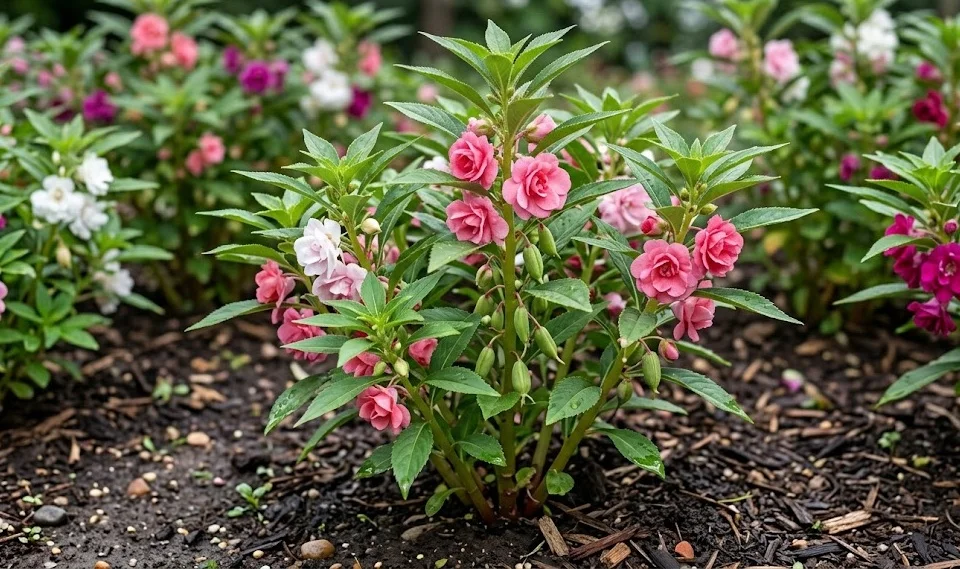

Understanding the light requirements of the garden balsam is one of the most critical steps in ensuring a successful and colorful display in your landscape. While many popular flowering annuals demand full, unobstructed sun to perform their best, the balsam offers a refreshing degree of flexibility in its exposure needs. This characteristic makes it an invaluable tool for gardeners who want to bring vibrant color to the partially shaded corners of their yards where other plants might struggle. Finding the perfect balance of light and shadow will lead to healthier foliage and a more prolific output of its unique, cup-shaped flowers.
In their native tropical environments, garden balsams are often found growing under the canopy of larger plants, where they are protected from the harshest direct sunlight. This evolutionary background has shaped their preference for bright, filtered light rather than the intense, midday sun of an open field. In a garden setting, this translates to a location that receives four to six hours of sunlight, ideally during the cooler morning or late afternoon hours. Providing this type of “partial shade” will keep the plants from wilting and prevent the flower colors from fading prematurely in the summer heat.
Too much direct sun can be physically stressful for the balsam, especially if it is accompanied by high temperatures and low humidity. When exposed to intense solar radiation for too long, the leaves may begin to look pale or develop scorched, brown patches along the edges. The plant may also stop producing flowers as it redirects its energy toward basic survival and water conservation. If you notice these symptoms in your sun-exposed plants, providing a bit of temporary shade during the hottest part of the day can make a world of difference in their overall health.
Conversely, while the balsam is shade-tolerant, planting it in an area that is too dark will result in weak, leggy growth and a disappointing lack of flowers. Without enough light to drive the process of photosynthesis, the stems will stretch and become thin as the plant desperately reaches for the sun. The foliage may remain a deep green, but the lack of energy will prevent the development of the many flower buds that make the balsam so attractive. Finding that “sweet spot” of bright but protected light is the goal of every successful balsam grower.
Managing light exposure in different garden settings
When planning your garden layout, consider the movement of the sun across your property throughout the entire growing season. A spot that is perfectly shaded in May might be exposed to intense afternoon sun in July as the angle of the sun changes. This dynamic nature of light is something that professional landscapers always take into account when selecting plant locations. Observed your potential planting sites at different times of the day to get a true sense of the light quality and duration they offer.
More articles on this topic
Using taller plants or garden structures to create “dappled shade” is an excellent way to meet the needs of the balsam in a sunny yard. Planting them on the eastern side of a fence, a hedge, or a larger shrub will provide them with the gentle morning light they enjoy while shielding them from the western sun. This layered approach to planting not only protects the sensitive annuals but also adds depth and visual interest to your garden design. It mimics the natural forest floor environment where these plants truly thrive and look their most beautiful.
If you are growing balsam in containers, you have the advantage of being able to move the plants as the seasons and light conditions change. This portability allows you to keep your potted specimens in their ideal light window even as the sun moves lower in the sky toward the end of summer. You might start them on a sunnier porch in the spring to encourage early growth and then move them to a cooler, shaded patio when the July heat arrives. This active management is a simple but effective way to ensure your container garden always looks its best.
Light quality also affects the vibrancy of the different balsam flower colors, with some shades performing better in certain exposures than others. In general, the lighter pastel colors like soft pink and white can look stunning in shaded areas where they seem to “glow” against the dark foliage. The deeper reds and purples are often more resilient in slightly sunnier spots and can hold their color better under more intense light. Experimenting with different color placements in various light levels will help you create the most impactful and harmonious floral display in your unique garden.
Scientific insights into plant light responses
The physiological process by which the balsam responds to light is a complex balance of hormone regulation and energy production. Light triggers the production of specific pigments in the petals and leaves that protect the plant from UV damage while attracting pollinators. When the light levels are just right, the plant can optimize its growth rate and reproductive output, leading to the dense, bushy habit we admire. Understanding these basic biological responses can help you become a more intuitive and successful gardener.
More articles on this topic
Phototropism is the scientific term for a plant’s tendency to grow toward a light source, a behavior that is quite noticeable in the garden balsam. If the light is only coming from one direction, you may see your plants leaning or becoming asymmetrical over time. In a garden bed, this is rarely an issue as light is usually diffuse, but it is something to watch for in potted plants or those near solid walls. Regularly turning your pots or ensuring that light can reach all sides of the plant will help maintain a balanced and attractive shape.
The duration of light, or photoperiod, also plays a role in the flowering cycle of many garden annuals, including the balsam. While it is not as strictly dependent on day length as some other species, the longer days of summer generally correlate with the plant’s peak blooming period. Providing supplemental light for indoor starts can help trigger earlier flowering and give you a head start on the season. This connection between day length and growth is a fundamental principle of horticulture that applies to nearly every plant in your care.
Ultimately, the best way to understand the light needs of your balsam is through careful observation and a bit of trial and error. Every garden has its own unique microclimates, and what works in one yard might be slightly different in another. Don’t be afraid to move a plant if it doesn’t seem happy in its current location, as the balsam is quite resilient and can often recover quickly. By paying attention to the signals your plants are sending, you will eventually find the perfect balance of light that makes your garden balsam truly shine.