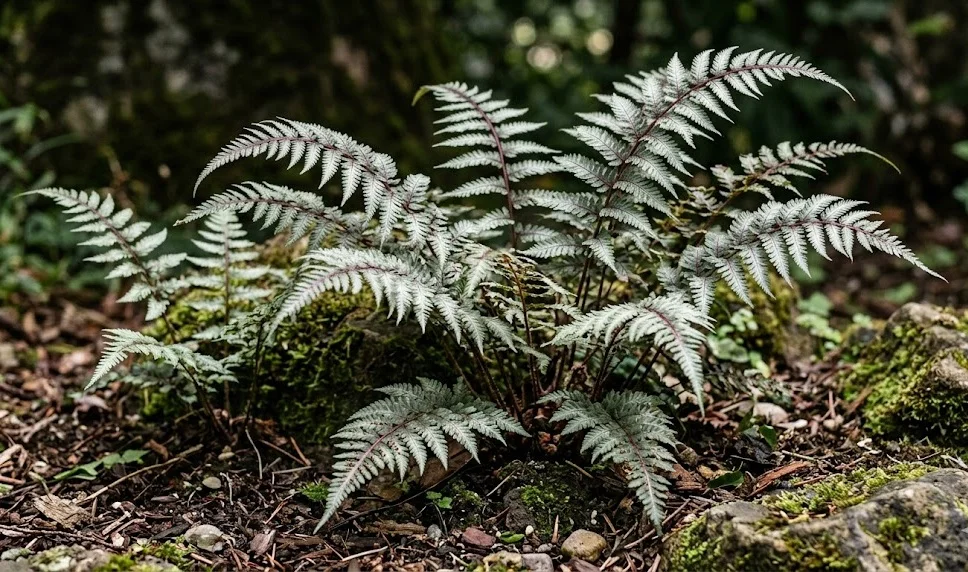

Pruning the Japanese painted fern is a task that combines aesthetic maintenance with the practical health needs of the plant. Unlike woody shrubs that require structural shaping, ferns are pruned primarily to remove old, damaged, or diseased tissue. This process keeps the mound looking tidy and prevents the buildup of dead organic material that can harbor unwanted pests. When done correctly, pruning encourages the plant to put its energy into producing the fresh, vibrant fronds that define its character.
The most significant pruning event occurs in the early spring, just as the new growth begins to emerge from the crown. At this stage, you should remove all of the previous year’s dead foliage if you didn’t do so in the autumn. Cutting away the old, brown fronds provides a clean slate for the shimmering silver fiddleheads to unfurl without any obstruction. This not only improves the look of the plant but also allows for better air circulation around the sensitive new growth, reducing the risk of early-season fungal issues.
During the active growing season, “maintenance pruning” can be performed whenever you notice a frond that has become damaged by wind, pests, or accidental foot traffic. Because the Japanese painted fern grows relatively slowly, you should be selective about what you remove, taking only what is necessary to keep the plant healthy. A broken frond can act as a drain on the plant’s resources or provide an entry point for disease, so it is best to snip it off at the base. This occasional cleanup keeps the specimen looking “magazine-ready” all through the summer.
Using the right tools is essential for making clean cuts that heal quickly and don’t damage the plant’s crown. A pair of sharp, bypass-style hand pruners or even sturdy garden scissors is usually all that is needed for these delicate stems. Always make sure your tools are sterilized with rubbing alcohol before you begin, especially if you have been pruning other plants that might be diseased. A professional gardener takes pride in their tools, knowing that a sharp blade is the kindest way to treat a living plant.
The technique of mid-season cleanup
Mid-season pruning is less about survival and more about maintaining the “showcase” quality of your Japanese painted fern. As the summer progresses, the oldest fronds at the base of the mound may naturally begin to yellow or look tattered. By carefully removing these lower leaves, you can maintain the elegant, arching shape of the plant and keep it looking fresh. This also helps the plant focus its energy on the newer, more colorful fronds that are currently in their prime.
More articles on this topic
To remove a frond, follow the stem all the way back to where it emerges from the central crown or the rhizome. Make the cut as close to the base as possible without nicking the healthy tissue of the crown itself. Leaving “stubs” behind can look unsightly and provide a place for mold to grow, so aim for a clean, flush cut. If the mound is very dense, you may need to gently move the healthy fronds aside to get a clear view of what you are cutting.
This is also a good time to check for any “reversions” or unusual growth patterns that might be occurring. Occasionally, a variegated or colored fern might produce a frond that is entirely green, which is usually more vigorous than the colorful ones. If you leave these green fronds in place, they can eventually take over the plant, causing it to lose its unique “painted” appearance. Pruning these out as soon as they appear helps to preserve the genetic characteristics that make this variety so special.
Be careful not to over-prune during the heat of the summer, as the foliage provides necessary shade for the plant’s own roots and crown. If you remove too much of the leaf area at once, you might expose the sensitive center of the plant to sun and heat stress. A good rule of thumb is to never remove more than twenty percent of the healthy foliage at any one time. Think of mid-season pruning as a light “grooming” rather than a major surgical procedure.
Late season and final autumn considerations
As the growing season comes to an end in late autumn, you must decide whether to prune your Japanese painted ferns immediately or wait until spring. Many professional gardeners prefer to leave the dead foliage in place through the winter to provide a natural layer of protection for the crown. The dry fronds can trap snow and insulating air, which helps to buffer the plant against extreme temperature swings. From a purely practical standpoint, this approach is the most beneficial for the long-term health of the plant.
More articles on this topic
However, if you prefer a very neat and tidy garden look throughout the winter, there is no harm in cutting the plant back once it has turned completely brown. If you choose to prune in the autumn, wait until several hard frosts have occurred and the plant is clearly dormant. At this stage, the nutrients have already been pulled back into the rhizome, and the dead leaves are no longer serving a physiological purpose. Cutting them back now saves you a job in the busy spring season when there are many other tasks to attend to.
Regardless of when you do your final pruning, the disposal of the old foliage should be handled with care. If your ferns have been healthy all season, the old fronds can be shredded and used as a light mulch or added to a well-maintained compost pile. If there was any sign of disease or pest infestation, however, the material should be removed from the garden entirely and destroyed. Keeping a clean garden environment is one of the most effective ways to break the life cycle of common pests and pathogens.
Ultimately, pruning the Japanese painted fern is a simple yet rewarding task that keeps your shade garden looking its absolute best. It allows you to interact closely with your plants and observe their progress throughout the year. By following these professional guidelines, you ensure that your ferns remain a healthy and vibrant part of your landscape for many years to come. A well-pruned fern is a testament to the care and attention of its gardener.