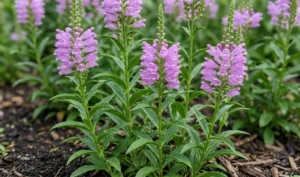
The cultivation of the garden foxtail lily requires a deep understanding of its unique growth cycle and physiological needs throughout the changing seasons. These towering perennials are known for their dramatic flower spikes that can reach impressive heights, making them a centerpiece in any professional landscape design. Success with these plants begins with recognizing that they are not typical lilies but belong to a specialized category of tuberous-rooted desert plants. Providing the right environment allows them to thrive for many years while maintaining their vigor and spectacular visual impact.
Maintaining the structural integrity of the plant is a primary concern for gardeners during the peak growing months of late spring and early summer. The heavy flower spikes often require protection from strong winds that could snap the hollow stems before the blooming period concludes. Professional growers often utilize discrete support systems or plant them in sheltered locations where the surrounding vegetation provides a natural windbreak. Monitoring the growth rate ensures that the stems are developing sufficient strength to support the weight of the hundreds of tiny florets.
Soil health plays a pivotal role in the long-term vitality of the root system, which consists of a central hub with radiating fleshy roots. These roots are extremely brittle and sensitive to soil compaction, meaning that the surrounding earth must remain friable and well-aerated at all times. Professional care involves avoiding heavy foot traffic near the crown of the plant to prevent crushing the delicate underground structures. Regularly checking the soil structure helps in identifying when organic matter needs to be replenished to maintain a porous environment.
The transition from the active blooming phase to the dormant period requires a shift in the maintenance strategy to ensure the plant recovers for the next year. As the flower spikes fade, the plant begins to redirect its energy back into the storage roots to prepare for the coming winter. It is essential to allow the foliage to yellow and die back naturally rather than removing it prematurely while it is still green. This natural senescence is a critical physiological process that determines the size and quality of the following season’s floral display.
Site selection and environmental adaptation
Choosing the correct location within a garden involves assessing both the microclimate and the specific drainage characteristics of the intended planting area. These plants originate from arid regions, which means they have a very low tolerance for standing water or excessively damp conditions during their dormant phase. A site with a slight slope or elevated beds can provide the necessary runoff to keep the crowns dry during rainy periods. Professional landscapers often perform a percolation test to ensure the soil can handle heavy downpours without becoming waterlogged.
More articles on this topic
The relationship between air circulation and plant health cannot be overstated when managing a collection of these tall perennials. Stagnant air can lead to a buildup of humidity around the base of the plant, which may encourage the development of various fungal issues. Placing the plants in a position where they receive a gentle breeze helps to dry the foliage quickly after morning dew or rainfall. However, the exposure must be balanced so that the wind is not strong enough to cause physical damage to the tall flowering stems.
Thermal stability in the soil is another factor that professional gardeners consider when placing these architectural plants in a permanent garden bed. Sudden fluctuations in ground temperature can stress the fleshy roots, especially during the early spring when the new shoots are beginning to emerge. Utilizing a thin layer of grit or light mulch can help regulate the temperature without trapping excessive moisture against the crown. Understanding the specific heat retention properties of the soil allows for a more predictable growth pattern throughout the spring.
The long-term success of the foxtail lily depends on its ability to remain undisturbed once it has established its extensive root network. These plants do not respond well to frequent transplanting, so the initial site selection must account for their mature size and spreading habit. Gardeners should plan for a space that allows at least sixty centimeters between plants to prevent overcrowding and resource competition. A well-chosen site ensures that the plant can remain in place for a decade or more without needing significant intervention.
Seasonal maintenance and monitoring
The early spring months represent a critical window for monitoring the emergence of the sharp, pointed shoots as they break through the soil surface. This period is when the plant is most vulnerable to late frosts, which can damage the developing flower buds hidden within the leaf sheath. Professional gardeners often keep protective covers or horticultural fleece ready to shield the new growth during exceptionally cold nights. Early detection of any growth abnormalities can provide insights into the health of the underground tuberous system.
More articles on this topic
As the leaves expand into their characteristic basal rosette, the focus shifts toward maintaining a clean environment around the base of the plant. Removing any competing weeds is vital because they can rob the foxtail lily of essential nutrients and moisture during its rapid growth phase. Hand-weeding is preferred over using tools to avoid accidentally nicking the shallow roots that radiate from the central crown. Keeping the area clear also improves light penetration to the base of the plant, which can help in preventing certain soil-borne diseases.
During the height of summer, the primary maintenance task involves the careful observation of the flowering process from the bottom to the top of the spike. This observation allows the gardener to track the health of the plant and identify the perfect time for any necessary seed collection. If seeds are not required for propagation, removing the spent flower spike can help the plant conserve energy for the storage roots. This practice ensures that the maximum amount of carbohydrates is stored for the following year’s growth cycle.
Autumn maintenance involves preparing the plant for its long period of dormancy by clearing away any debris that has accumulated over the summer. Removing dead foliage helps to eliminate potential overwintering sites for pests and reduces the risk of fungal spores remaining in the soil. The area should be clearly marked with a stake or a permanent label to prevent accidental digging during the winter months. A clean transition into dormancy sets the stage for a healthy and vigorous emergence when the soil warms up again.
Nutritional management for flower production
Achieving the spectacular height and density of the flower spikes requires a targeted approach to soil fertility and mineral balance. The plant has a high demand for potassium and phosphorus during the early stages of bud formation to ensure strong cell walls and vibrant color. Professional growers often utilize slow-release fertilizers that provide a steady stream of nutrients rather than a single concentrated dose. This method mimics the natural nutrient availability found in the plant’s native habitat and prevents lush, weak growth.
The timing of nutrient application is just as important as the composition of the fertilizer itself to maximize the plant’s uptake efficiency. Applying a balanced fertilizer in late winter or very early spring allows the nutrients to move into the root zone just as growth begins. This early boost supports the rapid expansion of the foliage and the initial development of the towering flower stalk. Avoiding high-nitrogen fertilizers late in the season is crucial, as this can lead to soft growth that is more susceptible to winter damage.
Soil pH levels should be monitored regularly to ensure that the nutrients provided are actually available to the plant’s root system. A slightly alkaline to neutral pH is generally preferred, as this range optimizes the solubility of essential minerals like calcium and magnesium. If the soil becomes too acidic, the availability of these minerals decreases, which can lead to stunted growth and poor flowering. Professional gardeners often use lime or wood ash to adjust the pH levels if the soil shows a trend toward acidity over time.
Organic matter serves as a valuable long-term source of nutrition and improves the overall biological activity of the soil. Incorporating well-rotted compost or leaf mold into the area surrounding the plants can enhance the soil’s cation exchange capacity. This improvement allows the soil to hold onto nutrients more effectively and prevents leaching during heavy rains. A healthy soil ecosystem full of beneficial microbes further supports the root system by breaking down organic compounds into plant-available forms.
Water regulation and drainage solutions
Managing the moisture levels in the root zone is perhaps the most challenging aspect of caring for these specialized perennials in a garden setting. While they require consistent moisture during their active growth phase in the spring, they must remain almost completely dry during summer dormancy. Professional gardeners often implement a drainage layer of coarse sand or grit directly beneath the planting site to facilitate rapid water movement. This technique prevents the fleshy roots from sitting in saturated soil, which is the leading cause of plant loss.
The use of raised beds or berms can be an effective strategy for controlling water levels in regions with high annual rainfall. By elevating the crown of the plant above the surrounding grade, excess water can easily drain away from the sensitive central hub. This architectural approach to planting not only protects the health of the plant but also adds visual interest to the garden layout. In many cases, a well-constructed raised bed can make the difference between a thriving plant and one that struggles with rot.
Surface mulching must be handled with care to ensure that it does not trap too much moisture against the plant’s neck. Using inorganic mulches such as pea gravel or crushed stone can provide the benefits of weed suppression and temperature regulation without the risk of rotting. These materials allow water to pass through quickly while also reflecting some heat back toward the foliage. Professional landscapers often choose these materials for their aesthetic compatibility with the desert-like appearance of the foxtail lily.
Observation of the plant’s foliage can provide valuable clues about whether the current watering regime is meeting its physiological needs. If the tips of the leaves begin to turn brown prematurely, it may indicate a lack of deep moisture during the critical spring growth period. Conversely, yellowing of the inner leaves can sometimes be a sign of overwatering or poor drainage at the root level. Learning to interpret these visual signals allows for a more responsive and successful approach to moisture management.
Structural support and physical protection
The sheer height of the flowering spikes makes them susceptible to physical damage from both weather events and garden activities. Staking may be necessary in exposed locations, but it should be done in a way that does not damage the delicate root system. Using a single, sturdy bamboo stake placed several inches away from the crown and secured with soft ties can provide the necessary stability. The ties should be loose enough to allow the stem to move slightly in the wind without snapping or being restricted.
Protecting the basal foliage from physical trampling is essential for maintaining the photosynthetic capacity of the plant throughout the spring. In busy garden areas, small decorative fences or low-growing companion plants can act as a physical barrier to keep people and pets away. Damage to the leaves can reduce the amount of energy the plant is able to store for the following season. A well-designed garden layout naturally guides traffic away from these sensitive areas while still allowing for close observation of the flowers.
In some climates, protection from extreme summer heat may be required to prevent the foliage from scorching before the dormancy period begins. Providing a bit of dappled shade during the hottest part of the afternoon can extend the life of the leaves and the beauty of the flowers. This can be achieved by planting taller, airy shrubs nearby that cast a moving shadow over the foxtail lilies. However, the shade should never be so dense that it compromises the plant’s primary need for full sun exposure.
Winter protection often involves the use of a dry mulch or a specialized cover to prevent the crown from freezing and thawing repeatedly. A layer of evergreen boughs or straw can provide insulation while still allowing for necessary air circulation around the plant. This protection should be applied only after the ground has frozen to prevent rodents from nesting near the tasty fleshy roots. Monitoring the condition of the winter cover ensures that it remains in place and effective throughout the coldest months of the year.
Long-term health and rejuvenation
As the foxtail lily colony ages, the central crown may become crowded, leading to a decrease in the size and quantity of the flower spikes. Rejuvenation through careful division is usually required every five to seven years to maintain the vigor of the planting. This process should be undertaken with extreme care during the late summer or early autumn when the plant is fully dormant. Each new division must include a portion of the central hub and several healthy, fleshy roots to ensure successful re-establishment.
Monitoring for signs of systemic decline is part of a professional gardener’s long-term strategy for managing a collection of these plants. A sudden lack of flowering or a significant reduction in the size of the basal rosette can indicate that the plant is under stress. This stress could be caused by shifting environmental conditions, such as increased shade from maturing nearby trees or changes in soil drainage. Addressing these issues early can often save a valuable specimen and restore it to its former glory.
Documenting the performance of the plants year after year provides a valuable record that can inform future care decisions. Keeping track of bloom dates, spike heights, and any pest or disease issues helps in identifying patterns and potential problems. This professional approach to gardening allows for more precise interventions and a better understanding of the plant’s specific needs in a particular garden. Over time, this knowledge becomes an indispensable tool for achieving consistent success with the garden foxtail lily.
The final stage of the annual care cycle is the quiet observation of the dormant garden bed, knowing that the energy for next year is stored safely underground. Even when no growth is visible, the gardener’s role continues in protecting the site and ensuring that the conditions remain optimal for the roots. This patience is rewarded each spring when the first powerful shoots begin to push through the earth once again. A commitment to consistent, professional care ensures that the foxtail lily remains a highlight of the garden for generations.