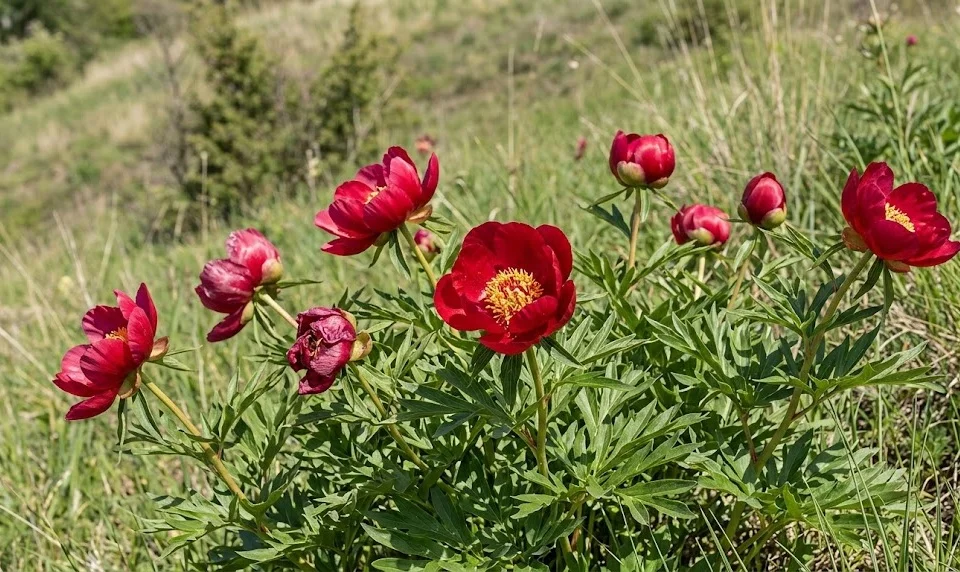

Optimizing the exposure to sunlight is a fundamental aspect of cultivating this rare subspecies and ensuring its long-term health and blooming potential. You must understand that while the plant originates from woodland edges, its needs in a garden setting require a specific balance of intensity and duration. A professional approach involves analyzing the light patterns in your garden throughout the year to find the perfect microclimate. The goal is to provide enough energy for photosynthesis without causing physiological stress to the delicate foliage or the brilliant flowers.
Direct sunlight is the primary driver of growth, providing the energy needed for the plant to produce its lush canopy and large, vibrant blooms. You should aim for a location that receives at least six to eight hours of bright light during the peak of the growing season. If the plant is kept in too much shade, the stems will become weak and leggy as they stretch toward the light, often leading to a lack of flowers. Professional horticultural standards emphasize that the quality of light is just as important as the quantity when managing rare ornamental species.
However, the intense heat of the midday sun can sometimes be detrimental, especially in regions with very hot and dry summers. You might find that providing some dappled shade during the afternoon helps to preserve the color of the petals and prevents the foliage from scorching. This nuanced approach to light management mimics the natural conditions found in the forest clearings where this peony originally evolved. Observing the plant’s reaction to the sun during the hottest part of the day will tell you if its current location is truly optimal.
The changing angle of the sun throughout the seasons also impacts the amount of light the plant receives during critical growth stages. You should consider how nearby trees and structures cast shadows during the spring when the plant is most active and in need of energy. In a professional garden design, the spatial arrangement of plants is carefully planned to ensure that each specimen has access to the light it needs at the right time. This long-term perspective is essential for the successful cultivation of such a prized and slow-growing perennial.
Managing partial shade and exposure
Partial shade is often described as a location that receives filtered sunlight through a canopy of trees or is shaded for a portion of the day. You should look for a spot that offers “high shade,” where the light is bright but not direct, to protect the plant from the harshest environmental stresses. This type of environment helps to maintain a more consistent humidity level, which the Banat peony highly appreciates during the summer months. Professional gardeners often use the structure of larger shrubs or small trees to create these ideal light conditions for their understory plants.
More articles on this topic
If the shade is too dense, you will notice a significant decrease in the number of flower buds produced each year, as the plant lacks the energy for reproductive growth. The foliage may remain green and healthy, but the overall vitality of the specimen will gradually decline over several seasons. To correct this, you might need to thin out the canopy of overhanging trees to allow more light to reach the garden floor. This kind of environmental intervention is a professional technique used to rejuvenate stagnant plants and encourage a more prolific blooming cycle.
The direction of the exposure also plays a role in how the plant experiences the light and temperature fluctuations of the day. An eastern exposure provides gentle morning sun that helps to dry the dew from the leaves, reducing the risk of fungal diseases. A western exposure, on the other hand, can be much more intense and may require additional watering to compensate for the higher rate of transpiration. Understanding these directional nuances allows you to make more informed decisions about the placement of your botanical treasures within the landscape.
Monitoring the movement of light across the garden at different times of the year provides valuable data for the professional management of your collection. You can use this information to decide whether a plant needs to be moved to a brighter spot or if it would benefit from more protection. Successful horticulture is an ongoing process of observation and adjustment, tailored to the specific needs of each individual species. By mastering the light requirements, you ensure that the Banat peony remains a centerpiece of beauty in your garden for many years.
Effects of light on bloom quality
The intensity and duration of sunlight have a direct impact on the development of the flower buds and the final appearance of the blooms. You will find that plants grown in optimal light conditions produce larger flowers with more intense crimson coloration in their petals. The light triggers the synthesis of specific pigments and provides the carbohydrates necessary for the rapid expansion of the floral tissues. A professional focus on light optimization is the secret to achieving those show-stopping displays that are the hallmark of expert gardening.
More articles on this topic
Light also influences the timing of the blooming season, with plants in sunnier locations often opening their flowers a few days earlier than those in shaded spots. You can use this knowledge to extend the overall flowering period in your garden by placing specimens in areas with slightly different light exposures. This strategic planting plan creates a more dynamic and long-lasting display of color throughout the spring months. Professional garden design often incorporates these subtle variations to maximize the aesthetic impact of a single species across a larger area.
During the actual flowering period, protecting the blooms from the most intense direct sun can help to extend the life of each individual flower. You might notice that petals fade or wilt more quickly if they are exposed to high-intensity light and heat for several hours a day. Providing a temporary shade structure or planting near a deciduous tree that is just beginning to leaf out can offer the perfect level of protection. This careful attention to detail ensures that you get the maximum enjoyment from the brief but spectacular blooming window.
Finally, the health of the foliage in the post-bloom period is essential for building the energy needed for next year’s light-gathering capacity. You should ensure that the leaves remain healthy and exposed to sufficient light throughout the summer so they can continue to photosynthesize efficiently. Neglecting the light needs of the plant once the flowers have faded is a mistake that can lead to a weaker performance in the following season. A professional gardener knows that the work of light management is a year-round commitment to the total health of the plant.