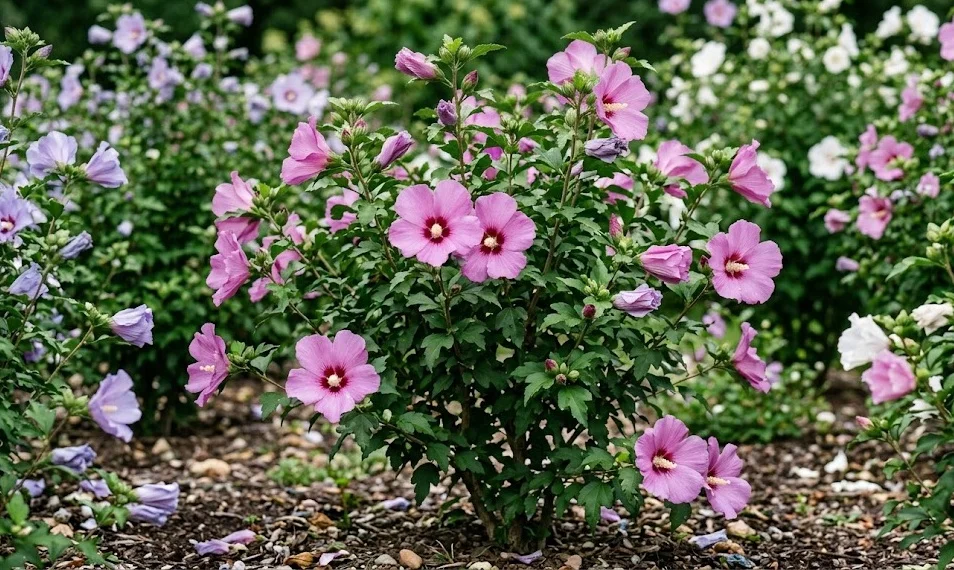

Protecting your shrubs from biological threats is a critical component of maintaining a professional and healthy landscape design throughout the year. While the rose of sharon is generally considered a robust species, it is not entirely immune to the pressures of various insects and pathogens. Identifying these issues early and understanding how to manage them effectively can mean the difference between a thriving specimen and a declining one. A proactive approach to health management ensures that your garden remains a beautiful and stress-free environment for both you and your plants.
Identifying common insect pests
Aphids are among the most frequent visitors to the young stems and flower buds of these shrubs, especially during the lush growth of early summer. These tiny, soft-bodied insects cluster together and suck the sap from the plant, often causing the leaves to curl or become misshapen. You might also notice a sticky substance known as honeydew on the foliage, which can attract ants and lead to the growth of black sooty mold. Fortunately, a strong stream of water from a garden hose is often enough to dislodge these pests and keep their populations under control.
Japanese beetles can be a more significant threat in certain regions, as they are capable of quickly skeletonizing the leaves and damaging the beautiful flowers. These metallic-green beetles are most active during the warmest parts of the day and can be seen feeding in large groups on the sun-drenched upper branches. Hand-picking the beetles and dropping them into a bucket of soapy water is a simple and effective way to manage small infestations without using chemicals. For larger outbreaks, you may need to consider more comprehensive management strategies to protect the aesthetic integrity of your prized specimens.
Whiteflies are another common pest that can be found on the undersides of the leaves, where they feed on the plant’s vital juices. When you disturb a branch, you might see a cloud of these tiny white insects fluttering around before they quickly settle back onto the foliage. Like aphids, they excrete honeydew and can cause the plant to lose its vigor and appear stunted if the population is allowed to grow unchecked. Maintaining good air circulation and encouraging natural predators like ladybugs can help keep whitefly numbers at a manageable and non-damaging level.
Scale insects are often overlooked because they are stationary and can look like small, inconspicuous bumps on the bark or the leaves of the shrub. These pests protect themselves with a hard or waxy shell, making them more difficult to control than their soft-bodied counterparts in the garden. They slowly drain the energy of the plant, leading to yellowing leaves and a general lack of vitality over several growing seasons. Regularly inspecting the woody stems of your shrubs will help you spot these hidden threats before they can cause significant long-term damage to the plant.
More articles on this topic
Managing fungal and bacterial diseases
Leaf spot is a common fungal issue that manifests as small, dark circles or irregular patches on the foliage during periods of high humidity. While a few spots are usually just a cosmetic concern, a severe infection can lead to premature leaf drop and weaken the entire shrub over time. To minimize the risk of leaf spot, you should avoid overhead watering and ensure that there is plenty of space between your plants for air to circulate. Removing and disposing of fallen, infected leaves in the autumn is a crucial step in breaking the life cycle of the fungal spores.
Powdery mildew is easily recognized by the white, flour-like substance that appears on the surface of the leaves and sometimes even the flower buds. This fungus thrives in warm, humid conditions with poor airflow, often appearing in late summer as the nights begin to cool down. While it rarely kills the plant, it can significantly detract from its beauty and may reduce the vigor of the shrub if it occurs every single year. Choosing resistant varieties and maintaining a healthy, well-pruned plant are your best defenses against this widespread and persistent garden problem.
Root rot is a much more serious condition that is almost always caused by poor drainage or excessive watering in heavy, compacted soils. The symptoms include wilting foliage that does not recover after watering, yellowing leaves, and a general decline in the health of the plant. If you suspect root rot, you may need to carefully excavate around the base to check for soft, brown, or foul-smelling roots instead of healthy white ones. Correcting the soil drainage and adjusting your watering routine are the only ways to save a plant that has been affected by this often-fatal condition.
Canker is a disease that affects the woody stems, causing sunken or discolored areas of bark that can eventually girdle and kill the entire branch. These infections often enter the plant through wounds caused by improper pruning, storm damage, or mechanical injury from lawn equipment. You should always use sharp, sterilized tools when pruning and make clean cuts that the plant can heal over quickly and effectively. If you notice a canker, the best course of action is to prune the affected branch back to healthy wood several inches below the visible damage.
More articles on this topic
Environmental stress and physiological disorders
Yellowing leaves, also known as chlorosis, can sometimes be caused by environmental factors rather than a specific pest or pathogen in the garden. This condition is often a sign of a nutrient deficiency, such as iron or manganese, which can be triggered by soil that is too alkaline for the plant. You may also see yellowing if the plant is experiencing extreme heat stress or if the roots are struggling to absorb water in very dry conditions. Understanding the specific conditions of your site will help you determine whether the yellowing is a sign of disease or simply a reaction to the weather.
Bud drop is a frustrating issue where the plant produces plenty of flower buds, but they turn yellow and fall off before they have a chance to open. This is frequently a physiological response to stress, such as sudden changes in temperature, inconsistent watering, or extremely high humidity during the blooming phase. Ensuring that the plant has a steady and reliable supply of moisture and nutrients can help minimize this problem and ensure a full floral display. It is also worth noting that some varieties are naturally more prone to bud drop than others, so research your specific cultivar’s habits.
Leaf scorch appears as brown, dry edges on the foliage and is usually a result of the plant losing water faster than it can be replaced during hot, dry winds. This is not a disease but rather a physical reaction to environmental conditions that exceed the plant’s current ability to maintain its internal moisture balance. Providing a deep watering and ensuring that the plant is protected from the harshest winds can help prevent this unsightly damage to the leaves. Mulching the root zone is another effective way to keep the roots cool and moist, reducing the likelihood of scorch during a heatwave.
Stunted growth can be a confusing symptom that may result from a combination of poor soil quality, competition from weeds, or even hidden root damage from pests. If your shrub is not putting on a healthy amount of new growth each year, it is a sign that something in its environment is not meeting its basic needs. You should evaluate the sunlight, soil, and moisture levels to identify any potential limiting factors that could be holding the plant back. Addressing these foundational issues will often resolve the problem and allow the plant to regain its natural vigor and beauty over time.
Integrated pest management strategies
The first step in a professional integrated pest management (IPM) program is regular and thorough monitoring of all the plants in your landscape. By spending just a few minutes each week inspecting the foliage and stems, you can catch most problems while they are still small and easily managed. Early detection allows you to use the least invasive methods possible, such as hand-picking insects or simply pruning out a single infected branch. This proactive approach is much more effective and environmentally friendly than waiting for a major outbreak that requires intensive intervention.
Encouraging beneficial insects and natural predators is a powerful and sustainable way to keep pest populations in check without using harsh chemicals. Ladybugs, lacewings, and parasitic wasps are all valuable allies that feed on common garden pests like aphids, scale, and whiteflies. You can attract these helpful insects by planting a variety of flowers nearby that provide them with pollen and nectar throughout the growing season. Creating a balanced and diverse ecosystem in your garden is the most effective long-term strategy for maintaining the health of your prized shrubs.
If a pest or disease problem becomes significant enough to require a treatment, always start with the most gentle and targeted options available to you. Insecticidal soaps and horticultural oils are effective against many soft-bodied pests while having a minimal impact on the environment and beneficial insects. For fungal issues, organic copper-based sprays or sulfur can provide relief if applied at the first sign of an infection and repeated as directed. Always read and follow the product label carefully to ensure that you are using the treatment safely and effectively for your specific situation.
Maintaining the overall health and vigor of your plants is perhaps the best way to prevent diseases and pests from becoming a major issue in the first place. A plant that is well-watered, properly fertilized, and grown in the right amount of sunlight will have much stronger natural defenses against biological threats. You should also practice good garden hygiene by keeping the area around your shrubs free of debris and weeds that could harbor pests. Professional care is not just about reacting to problems but about creating an environment where the plants can truly thrive on their own.
Preventative measures for long-term health
Selecting the right plant for the right place is the most important preventative measure you can take when planning your garden landscape. Many modern cultivars of the rose of sharon have been specifically bred for their resistance to common issues like powdery mildew and certain pests. By choosing these improved varieties, you are starting with a plant that is already better equipped to handle the pressures of your local environment. Researching the specific strengths and weaknesses of a variety before you buy it is a hallmark of a professional and informed gardener.
Sterilizing your pruning tools after each use is a simple but vital habit that prevents the accidental spread of pathogens from one plant to another. You can easily clean your shears and saws with a quick dip or wipe using a solution of rubbing alcohol or a mild bleach mixture. This practice is especially important when you are removing diseased wood or working on a plant that appears to be struggling with an unknown issue. Taking this extra minute of care can prevent a small problem on one plant from becoming a major epidemic across your entire garden collection.
Regularly refreshing the mulch around the base of your shrubs provides a clean and healthy environment that discourages the buildup of soil-borne pathogens. As the mulch breaks down, it improves the soil’s biological activity, which can help suppress certain types of harmful fungi and bacteria. Be sure to remove old, matted mulch before adding a fresh layer to ensure that water and air can still reach the soil surface effectively. This routine maintenance task is a simple and effective way to support the long-term health and vitality of your permanent garden residents.
Finally, do not be afraid to seek professional advice if you encounter a pest or disease problem that you cannot identify or manage on your own. Local university extension offices and botanical gardens are excellent resources for accurate information and diagnostic services for home gardeners in your region. Learning more about the specific challenges in your area will help you become a more effective steward of your landscape and its inhabitants. Knowledge is the most powerful tool in your gardening arsenal when it comes to protecting the beauty and health of your shrubs.