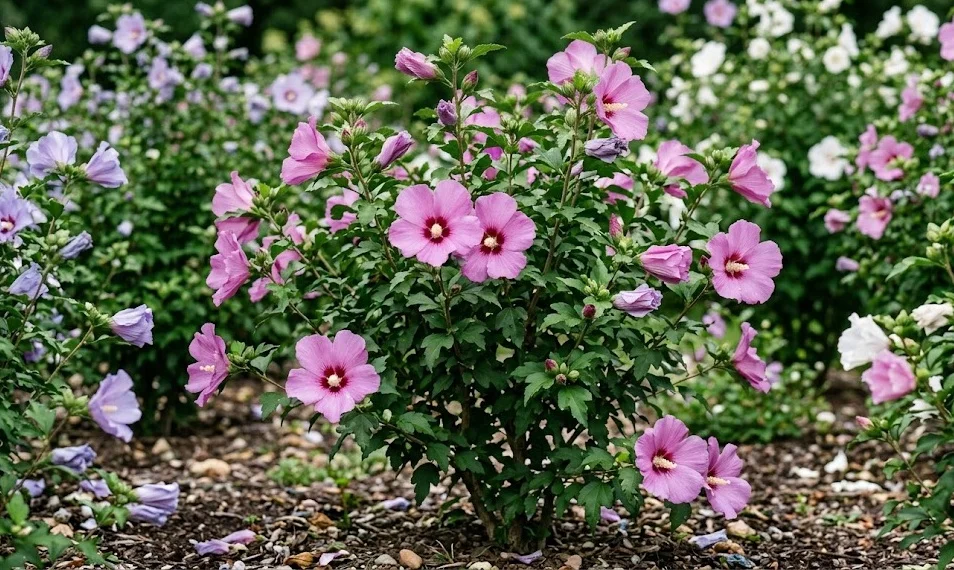

The rose of sharon stands as a testament to late-summer beauty, offering a tropical appearance in more temperate garden climates. This deciduous shrub is highly valued by enthusiasts for its ability to produce vibrant, trumpet-shaped flowers when most other shrubs have finished their display. Maintaining these plants requires a nuanced understanding of their specific growth habits and environmental preferences over time. Achieving a lush, healthy specimen is a rewarding journey that begins with a commitment to consistent and informed care throughout the growing season.
Essential environmental foundations for growth
Choosing the right location serves as the most critical step in ensuring the long-term vitality of your shrub. These plants thrive when they are positioned in areas that receive ample sunlight and have well-drained soil to prevent root issues. You should observe the drainage patterns in your garden during heavy rain to avoid placing the plant in a waterlogged depression. Proper airflow around the foliage is equally important to minimize the risk of mildew development during humid summer months.
The soil composition plays a vital role in how the plant absorbs nutrients and anchors its root system effectively. While these shrubs are adaptable to various soil types, they prefer a slightly acidic to neutral pH range for optimal performance. You can enhance heavy clay or overly sandy soils by incorporating organic matter like well-rotted compost before planting. This preparation ensures that the roots have a loose, nutrient-rich environment to expand into during the first few years of establishment.
Temperature fluctuations can impact the vigor of the plant, especially during the early stages of the spring growth cycle. Although mature specimens are quite hardy, young plants may need extra attention if unseasonably late frosts occur in your region. Providing a stable environment by using natural windbreaks or strategic placement near structures can offer necessary protection. Monitoring the local weather patterns allows you to anticipate when the plant will break dormancy and begin its vigorous annual expansion.
Aesthetic integration into the landscape requires a clear vision of the mature size and shape of the shrub. These plants can grow quite tall and wide, so giving them enough space to reach their full potential without crowding neighbors is wise. Think about how the colorful blooms will contrast with existing perennials and evergreen backdrops in your specific garden layout. Planning the space today prevents the need for drastic or stressful transplanting procedures later in the life of the plant.
More articles on this topic
Understanding the annual growth cycle
The awakening of the shrub in spring is often later than many other garden residents, which can sometimes cause concern for new owners. It is perfectly normal for the branches to remain bare until the ground has warmed up significantly in the late spring months. You will notice small green buds appearing once the daytime temperatures consistently stay above a certain threshold for several weeks. This delayed start is a natural defense mechanism that protects the delicate new growth from late-season cold snaps.
Midsummer marks the period of most intense vegetative growth as the plant prepares its energy reserves for flowering. During this time, the foliage should appear deep green and robust if the plant is receiving adequate moisture and sunlight. You can support this vigorous phase by ensuring that environmental stresses are kept to an absolute minimum through proactive monitoring. Healthy leaf development during the summer is a direct precursor to a prolific and stunning bloom period in the coming weeks.
The flowering phase usually begins in mid to late summer and can extend well into the autumn months depending on the variety. Each individual blossom typically lasts for only a day or two, but the plant produces a continuous succession of new buds. You will find that a well-maintained shrub can become a focal point of the garden during this time of the year. This extended blooming period is one of the primary reasons why gardeners choose this species for their permanent landscape designs.
As the days shorten and temperatures begin to drop, the shrub will naturally start its transition into the dormant winter phase. The leaves will gradually turn yellow and drop off, revealing the architectural structure of the woody stems and branches. This period of rest is essential for the plant to conserve energy and survive the harsh conditions of the winter months. Preparing the plant for this transition involves reducing stimulation and allowing the natural hardening process to occur without interference.
More articles on this topic
Managing the root zone and stability
A healthy root system is the invisible engine that drives the impressive overhead display of flowers and lush foliage. You should aim to keep the root zone cool and consistently moist without ever allowing it to become completely saturated with water. Applying a thick layer of organic mulch around the base of the plant is an excellent way to achieve this balance. This mulch layer also helps to suppress weeds that would otherwise compete with the shrub for vital resources and nutrients.
Compaction of the soil around the base of the plant can significantly hinder the ability of the roots to breathe and expand. Avoid heavy foot traffic or placing heavy decorative objects directly over the root area of your established shrubs. If you notice the soil has become hard and crusty, gently aerating the surface with a hand tool can improve oxygen penetration. Small adjustments to the soil structure can lead to visible improvements in the overall vigor and leaf color of the plant.
Stability becomes a concern as the shrub reaches its full height, especially in areas prone to high winds or heavy storms. While the wood is relatively strong, the dense canopy can act like a sail during intense weather events in the summer. You might consider providing temporary support for younger plants until their trunk has thickened sufficiently to stand on its own. Regularly checking the integrity of the main stems will help you identify any structural weaknesses before they lead to significant damage.
Mulching is a continuous process that should be refreshed at least once a year to maintain its protective benefits for the shrub. As the organic material breaks down, it slowly feeds the soil and improves the overall tilth of the gardening area. You should keep the mulch a few inches away from the actual trunk to prevent moisture buildup against the bark. This simple maintenance task creates a healthy microenvironment that supports both the plant and the beneficial soil organisms living beneath it.
Nutrient requirements and soil health
Fertilizing is a key component of professional care, but it must be handled with precision to avoid causing more harm than good. A balanced, slow-release fertilizer applied in early spring provides the necessary boost for the upcoming season of rapid growth. You should focus on products that offer a steady supply of nitrogen, phosphorus, and potassium to support all aspects of plant health. Over-fertilizing can lead to excessive leaf growth at the expense of flowers, so following the manufacturer’s directions is essential.
Micronutrients like iron and magnesium are also important for maintaining the deep green color of the foliage throughout the summer. If you notice the leaves are turning pale or yellow while the veins stay green, it might indicate a specific deficiency. A soil test can provide definitive answers about what your garden might be lacking in terms of chemical composition. Addressing these small imbalances early prevents the plant from becoming stressed and more susceptible to various environmental pressures.
Organic amendments are often the preferred choice for long-term soil health and sustainable gardening practices in the modern era. Mixing well-aged manure or leaf mold into the top layer of soil provides a complex array of nutrients and beneficial microbes. These natural materials improve the soil’s ability to hold onto water while also enhancing its overall drainage characteristics. Your shrub will respond well to this gentle, long-term feeding strategy that mimics the natural forest floor environment.
The timing of nutrient application is just as important as the type of fertilizer you choose to use in your garden. Avoid feeding the plant late in the summer, as this can encourage soft new growth that won’t have time to harden before winter. Focus your efforts on the early spring and mid-summer windows to maximize the benefits for the plant’s natural life cycle. Consistent feeding schedules help the shrub build the resilience needed to withstand pests, diseases, and unpredictable weather conditions.
Seasonal maintenance routines
Spring maintenance involves cleaning up the area around the plant and preparing it for the new year of active growth. You should remove any fallen leaves or debris from the previous season to eliminate potential hiding spots for pests. This is also the best time to check for any winter damage to the branches and perform light corrective pruning if necessary. Starting the season with a clean and well-prepared site sets the stage for a successful and trouble-free summer.
Summer care focuses primarily on moisture management and monitoring the health of the developing flower buds and foliage. During periods of extreme heat, you might need to check the soil moisture more frequently to prevent the plant from wilting. Removing spent flowers, a process known as deadheading, can sometimes encourage the plant to put more energy into its remaining buds. This proactive approach keeps the shrub looking tidy and ensures that its energy is used most efficiently for its display.
Autumn marks the time to slow down and allow the plant to naturally prepare for the cold months ahead of it. You should stop any fertilizing and gradually reduce the frequency of watering as the plant’s metabolic processes begin to slow. Cleaning up the dropped leaves in late autumn is a good practice to prevent the spread of fungal spores over the winter. This transitional period is vital for the long-term health of the shrub and should be respected by every gardener.
Winter maintenance is minimal but involves protecting the plant from physical damage caused by heavy snow or ice accumulation. If your region experiences heavy snowfall, you might need to gently brush excess weight off the branches to prevent them from snapping. Checking the base of the plant for signs of rodent damage is also wise, as small animals sometimes chew on the bark during winter. These simple observations ensure that your shrub emerges from dormancy in the spring without any unexpected setbacks.
Aesthetic shaping and growth control
Pruning is a powerful tool for maintaining the desired shape and size of your shrub within the context of your garden design. Since these plants bloom on new wood, you can prune them quite heavily in late winter or early spring without sacrificing flowers. Many gardeners prefer a multi-stemmed shrub look, while others train the plant into a small, single-trunk tree form. Consistent shaping from a young age makes it much easier to manage the plant as it approaches its mature dimensions.
Thinning out the interior branches allows more sunlight and air to reach the center of the shrub, which promotes overall health. This practice reduces the density of the foliage, making the plant less hospitable to certain types of pests and fungal infections. You should always use sharp, clean tools to make precise cuts that will heal quickly and cleanly without inviting decay. Removing old or unproductive wood every few years rejuvenates the plant and encourages a flush of vigorous new stems.
Controlling the height of the shrub is often necessary if it is planted near walkways, windows, or under utility lines in the landscape. You can manage the vertical growth by selectively cutting back the tallest stems to a strong lateral bud or branch. This technique encourages the plant to grow wider rather than taller, creating a more rounded and compact appearance over time. Understanding the natural growth habit of your specific variety will help you make the most informed pruning decisions.
Removing suckers that sprout from the base of the plant is another important task for maintaining a tidy and professional appearance. These fast-growing shoots can drain energy away from the main structure and clutter the bottom of the shrub significantly. You should cut them off as close to the ground or the main trunk as possible as soon as they appear. Keeping the base clear also improves airflow and makes it easier to apply mulch and water directly to the root zone.
Long-term health and vitality
Vigilance is the hallmark of a successful gardener when it comes to the long-term health of any permanent landscape plant. Regularly walking through your garden and inspecting the leaves, stems, and flowers will help you catch potential issues early. Look for changes in leaf color, unusual spots, or signs of insect activity that might indicate the plant is under some form of stress. Early intervention is almost always more effective and less invasive than trying to fix a major problem later on.
Diversity in the garden can help protect your shrubs by creating a more balanced ecosystem that supports beneficial predatory insects. Planting a variety of species nearby can reduce the likelihood of a single pest population exploding and overwhelming your prized specimens. You should also consider the impact of your gardening practices on the local environment and choose sustainable methods whenever possible. A healthy garden is a complex web of interactions that supports the vitality of every plant within it, including the rose of sharon.
Consistency in care is far more beneficial than sporadic bursts of intense maintenance followed by periods of complete neglect. Developing a routine for watering, weeding, and inspecting your plants ensures that their needs are met on a reliable and predictable basis. Your shrub will reward this steady attention with reliable growth and a spectacular floral display every single year of its life. The relationship between a gardener and their plants is one of mutual growth and enduring beauty in the natural world.
As your shrub matures, its needs might change slightly, requiring you to adapt your maintenance strategies to suit its new size and age. Older plants may require more significant rejuvenation pruning or additional nutrient support to maintain their youthful vigor and flowering capacity. Documenting your observations and the results of your care routines can help you become a better steward of your garden over time. The rose of sharon is a resilient and rewarding companion that can grace your landscape for many decades with the right approach.