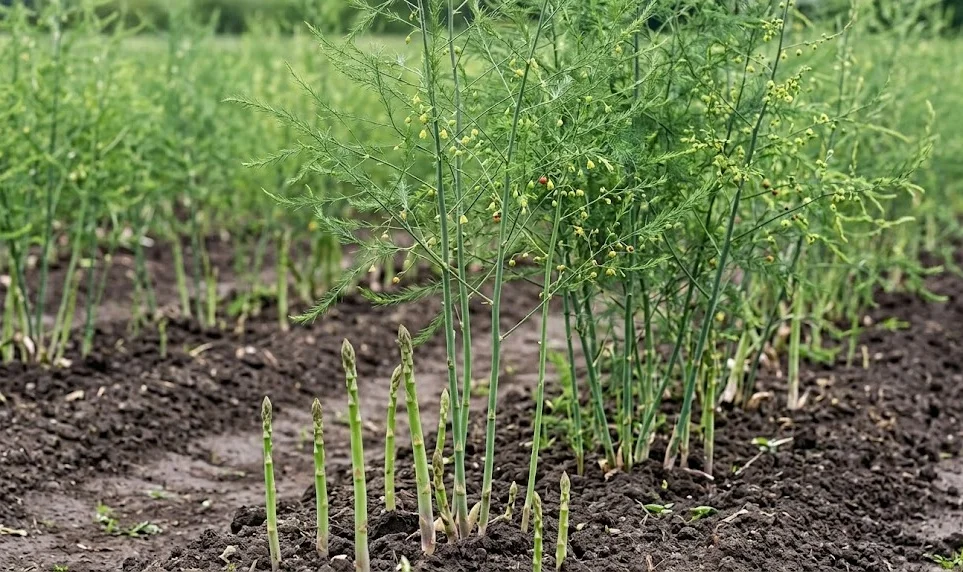

Light is the primary fuel that powers the growth and long-term productivity of an asparagus bed through the process of photosynthesis. To achieve professional results, you must ensure that your plants receive an adequate amount of sunlight throughout the entire growing season. While the spears themselves are harvested before they develop leaves, the tall ferns that follow are entirely dependent on light to store energy. Understanding the specific light needs of this perennial crop is essential for selecting the perfect site and maintaining a high-yielding patch for many years.
Asparagus thrives best in full sun, which means it should receive at least six to eight hours of direct sunlight every day during the summer. This intense light exposure is necessary for the ferns to produce the maximum amount of carbohydrates, which are then moved down into the crowns for the winter. In shaded areas, the ferns will become tall, spindly, and less efficient at capturing energy, leading to a gradual decline in the bed’s health. A professional site selection always prioritizes an open area with no significant obstructions to the south or west for maximum sun exposure.
The quality of the light is just as important as the quantity, as the plants need the full spectrum of the sun’s energy to develop strong stems and vibrant foliage. Morning sun is particularly valuable because it helps to dry the dew off the ferns quickly, reducing the risk of fungal diseases like rust or rot. If the plants are shaded during the early part of the day, they remain damp for longer, which can create a perfect environment for pathogens to thrive. Professional gardeners often orient their rows to capture the most sunlight possible from dawn until dusk.
In very hot climates, a small amount of afternoon shade can sometimes be beneficial to prevent the ferns from becoming scorched or overly stressed by the heat. However, this shade should be filtered and not total, as the plant still needs the energy to continue its growth and nutrient storage. You should monitor the appearance of your ferns during the peak of summer to see if they are showing signs of light-related stress or damage. A professional balance between light and temperature management is key to maintaining a healthy and productive asparagus bed in any region.
Optimal site selection
Selecting the right location for your asparagus bed is a decision that will impact your gardening success for the next twenty years or more. You should look for a permanent spot that is far away from large trees or buildings that could cast long shadows over the plants during the day. As trees grow over the years, their canopies can gradually expand and shade out a once-sunny asparagus patch, leading to a slow decrease in spear production. A professional plan accounts for the long-term growth of the surrounding landscape to ensure the bed remains in the sun for its entire life.
More articles on this topic
The orientation of the rows within the bed can also play a role in how much light each individual plant receives during the growing season. Planting in a north-south direction is often recommended because it allows the sun to hit both sides of the rows as it moves across the sky. This uniform light distribution prevents the plants on one side from shading out their neighbors and ensures a more even growth of the ferns. Professional growers use these layout strategies to maximize the efficiency of every square foot of their productive garden space.
Competition for light can also come from within the garden if you plant tall crops like corn or pole beans too close to your asparagus patch. These annual plants can quickly grow taller than the asparagus ferns and block the sunlight during the most critical period of energy storage in mid-summer. You should maintain a clear buffer zone around your asparagus to ensure that no other plants interfere with its access to the sun. This professional attention to the garden’s spatial layout is essential for the long-term health of perennial vegetables.
If you find that your existing asparagus bed has become too shaded over time, you may need to prune back surrounding trees or consider starting a new bed in a sunnier location. It is difficult to compensate for a lack of light through fertilization or watering alone, as the plant’s primary energy source is the sun itself. Taking decisive action to restore the light levels will help to rejuvenate the plants and potentially extend the productive life of the bed for several more years. A professional gardener is always willing to make adjustments to ensure their crops have the best possible environment for success.
Managing shade interference
Managing shade interference requires a proactive approach that includes both physical changes to the landscape and strategic planning of the garden’s growth. You should regularly evaluate the light patterns in your garden as the seasons change to identify any potential issues before they affect your crop. This may involve trimming back overgrown hedges or thinning out the branches of nearby trees to allow more light to reach the ground. A professional eye for detail helps to maintain the perfect balance of light and shadow for all of your garden’s diverse inhabitants.
More articles on this topic
Reflective mulches or light-colored surrounding surfaces can sometimes be used to bounce extra light back into a partially shaded asparagus bed. While this is not a substitute for direct sunlight, it can provide a small boost in photosynthesis for plants that are struggling with marginal light levels. This technical approach is sometimes used in professional settings to squeeze the maximum possible yield out of every available piece of land. However, nothing compares to the energy provided by a fully sunny and well-placed garden site for growing high-quality asparagus.
Understanding the difference between light intensity and light duration is a key part of professional plant management and site evaluation. A site might get many hours of light, but if that light is weak or filtered through a thin canopy, it may still not be enough for peak production. Conversely, a few hours of intense, direct sun can be more valuable than many hours of deep shade for the development of healthy and vigorous ferns. A professional gardener knows how to read the subtle cues of the plants to determine if they are truly getting the light they need to thrive.
Finalizing your light management strategy involves a commitment to keeping the area open and sunny for the entire lifespan of the asparagus plants. By prioritizing light in your care routine, you are ensuring that the crowns have the energy they need to produce thick, delicious spears every single spring. Success in the garden is a combination of many factors, but the gift of the sun is perhaps the most fundamental requirement for a professional-grade asparagus harvest. With the right light, your asparagus will remain a reliable and vibrant part of your professional agricultural endeavors for decades to come.