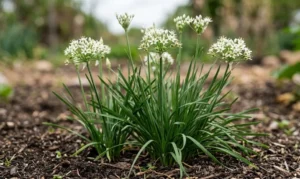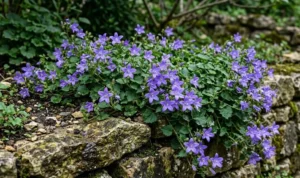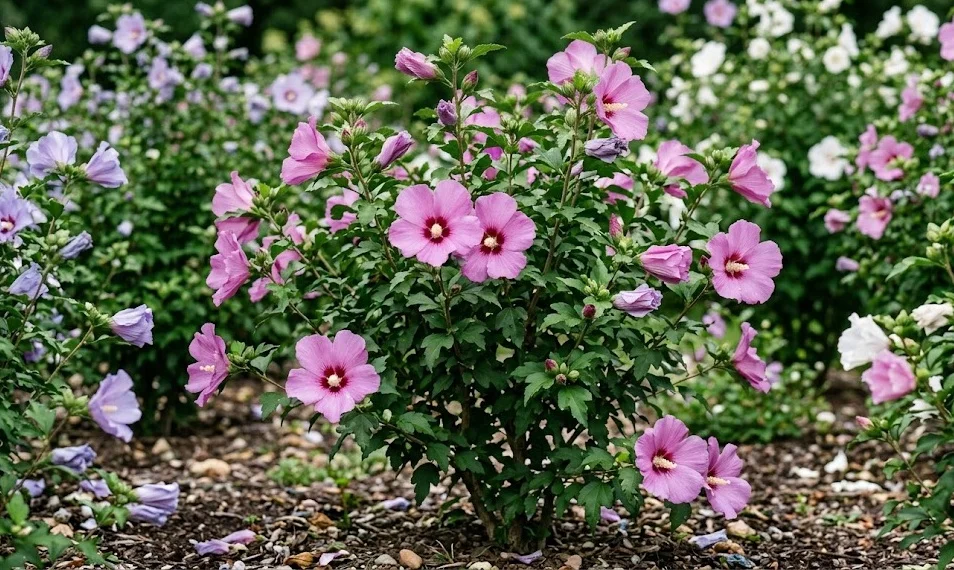

Maintaining the health and beauty of your shrubs involves a sophisticated approach to hydration and nutrition that adapts to the changing seasons. Water and nutrients are the fundamental building blocks that allow these plants to produce their signature lush foliage and large, colorful flowers. While they are relatively drought-tolerant once established, a professional care routine ensures they perform at their absolute peak year after year. Understanding the delicate balance of these two factors is the key to becoming a successful steward of your garden’s most vibrant residents.
Hydration principles for established shrubs
Proper watering is less about a strict schedule and more about observing the specific needs of the plant and the conditions of the soil. You should aim to provide deep, infrequent watering rather than light, daily sprinkles that only wet the very surface of the ground. Deep watering encourages the roots to grow further down into the earth, where they are better protected from the heat of the summer sun. A thorough soaking once or twice a week is usually sufficient for a mature plant during a typical summer in most regions.
The best time to water your garden is early in the morning before the sun reaches its full intensity and evaporates the moisture. Morning watering allows the foliage to dry out quickly, which is a crucial step in preventing the development of various fungal diseases. If you must water in the evening, try to apply the liquid directly to the base of the plant rather than spraying the leaves. Keeping the water at the root zone ensures that the plant gets the maximum benefit while minimizing the risk of health issues.
Environmental factors like wind, temperature, and humidity will all play a significant role in how quickly the soil dries out around your shrubs. On particularly hot or windy days, the plant may lose water through its leaves faster than the roots can pull it from the ground. You might notice the leaves wilting slightly in the afternoon sun, but they should bounce back once the temperatures cool down in the evening. If the plant remains wilted the next morning, it is a clear signal that a deep and thorough watering is immediately required.
Using a soaker hose or a drip irrigation system is one of the most efficient ways to deliver water exactly where it is needed most. these systems reduce water waste by delivering the liquid slowly and directly to the soil surface, allowing it to penetrate deeply without runoff. You can even set these systems on a timer to ensure your garden receives consistent care even when you are busy or away. Professional-grade irrigation takes the guesswork out of maintenance and provides a stable foundation for the long-term health of your prized landscape specimens.
More articles on this topic
Managing water for young and newly planted shrubs
Newly planted shrubs require a much more intensive watering schedule during their first year as they work to establish a new root system. You must ensure that the root ball stays consistently moist, as it cannot yet pull water from the surrounding soil effectively. Check the moisture levels every day or two by sticking your finger into the soil near the base of the main trunk. If the top inch of soil feels dry, it is time to provide a gentle but thorough watering to support the young plant.
During the first few months, the goal is to keep the soil environment stable and hospitable for rapid root expansion into the native earth. Avoiding both extreme dryness and waterlogged conditions is essential for the survival of the plant during this vulnerable transitional phase. You can create a small basin of soil around the base of the plant to help hold water and ensure it sinks directly down to the roots. This temporary structure is especially helpful if you are planting on a slope or in soil that tends to be quite hard.
As the plant begins to show signs of new growth, you can gradually start to increase the time between waterings to encourage the roots to seek out moisture deeper in the ground. This “tough love” approach helps the plant build the resilience it will need to survive on its own in the future. However, you must still monitor the plant closely during its first full summer, as its root system is still relatively small compared to its foliage. A well-hydrated young plant is far more likely to survive its first winter and emerge stronger in the following spring.
Mulching is particularly important for young shrubs as it provides a protective barrier that helps regulate soil temperature and moisture levels. A thick layer of bark chips or compost around the base of the plant can significantly reduce the amount of supplemental watering required. It also protects the delicate young roots from the direct heat of the sun, which can bake the soil and cause significant stress. Taking these extra steps during the establishment phase pays off in the form of a healthy, vigorous, and long-lived shrub for your landscape.
More articles on this topic
Nutrition and the role of balanced fertilizers
Providing the right nutrients at the right time is essential for the production of the large, showy flowers that define this species. A balanced fertilizer containing equal parts nitrogen, phosphorus, and potassium is generally the best choice for all-around plant health. Nitrogen supports the growth of healthy green leaves, while phosphorus is crucial for strong root development and prolific flower production. Potassium helps the plant build overall resilience and improves its ability to withstand environmental stresses like cold and disease.
Early spring, just as the new growth begins to appear, is the most effective time to apply the first round of fertilizer for the year. This initial feeding gives the plant the energy it needs to build a strong structural framework for the upcoming flowering season. You should spread the fertilizer evenly around the drip line of the shrub, which is the area directly under the outer edge of the branches. Watering the area thoroughly after applying the granules helps to dissolve the nutrients and carry them down to the active root zone.
If your soil is particularly sandy or lacks natural organic matter, you might consider a second, lighter feeding in the middle of the summer. This mid-season boost can help maintain the plant’s vigor during the peak of its blooming cycle and prevent it from becoming exhausted. Avoid using fertilizers that are very high in nitrogen during this time, as they can encourage excessive foliage growth at the expense of flowers. A slow-release formula is often the best choice for providing a steady and reliable supply of nutrients over several weeks.
Always follow the application rates recommended on the product packaging to avoid the risk of “burning” the roots with too many concentrated chemicals. Over-fertilizing is a common mistake that can lead to salt buildup in the soil and cause the edges of the leaves to turn brown and crispy. If you are unsure about the nutrient levels in your garden, a professional soil test is a worthwhile investment that can save you time and money. Understanding the specific chemistry of your soil allows you to tailor your fertilizing routine to the exact needs of your plants.
Organic amendments and long-term soil health
Incorporating organic matter into the soil is one of the best ways to provide long-term nutrition while also improving the structure of your garden. Well-rotted compost, leaf mold, or aged manure are all excellent choices that provide a complex array of nutrients and beneficial microorganisms. These materials break down slowly over time, releasing their benefits gradually and improving the soil’s ability to hold onto both water and air. Your shrubs will respond to this natural approach with a steady, healthy growth pattern that is much more sustainable than chemical-only routines.
Top-dressing the root zone with a fresh layer of compost every spring is a simple task that yields significant benefits for the health of your plants. This practice mimics the natural cycle of the forest floor, where falling leaves and organic debris slowly decompose and enrich the earth. The microbes in the compost help to break down minerals in the soil, making them more accessible to the plant’s roots for absorption. This biological activity creates a vibrant and healthy soil ecosystem that supports the long-term vitality of every plant in your landscape.
Using organic mulches also contributes to the nutritional health of the soil as they gradually decompose over the course of the growing season. As the mulch breaks down, it adds valuable carbon and other essential elements back into the earth around the base of the shrub. You can even use shredded leaves from your own yard as a free and effective mulch that provides excellent benefits for your garden beds. This closed-loop system is an environmentally friendly way to maintain the health and beauty of your landscape with minimal outside inputs.
Liquid organic fertilizers, such as fish emulsion or seaweed extract, can be used as a gentle supplement during the peak growing season if needed. These products are quickly absorbed by the plant and provide a fast-acting boost of micronutrients that can improve leaf color and flower quality. They are especially useful for plants grown in containers, where the soil volume is limited and nutrients can be washed away more quickly by frequent watering. Choosing organic options supports a healthier garden environment for you, your plants, and the local wildlife that visits your yard.
Seasonal timing and environmental considerations
The timing of your watering and fertilizing routines should always be adjusted based on the current weather conditions and the life cycle of the plant. During periods of heavy rain, you should skip your scheduled waterings to avoid saturating the soil and depriving the roots of necessary oxygen. Conversely, during a prolonged drought, you may need to increase the frequency and depth of your watering to keep the plant from entering a state of severe stress. Being flexible and responsive to the environment is a hallmark of an expert gardener who truly understands their plants’ needs.
Stop all fertilizing by the middle of summer to allow the plant to naturally begin its preparation for the upcoming winter dormancy phase. Late-season feeding can stimulate a flush of tender new growth that will not have time to harden before the first frost arrives. This soft tissue is highly susceptible to cold damage, which can weaken the entire plant and lead to significant dieback in the spring. Allowing the plant to slow its growth in the autumn is a vital part of its natural cycle and should be respected for long-term health.
As the temperatures drop in the autumn, you should also gradually reduce the amount of water you provide as the plant’s metabolic rate slows down. However, you must ensure the soil is not completely dry when the ground freezes, as the plant still needs a bit of moisture to survive the winter. A final, deep watering in late autumn after the leaves have fallen but before the soil freezes is often recommended for woody shrubs. This moisture reservoir helps the plant withstand the drying effects of cold winter winds and prevents the roots from dehydrating during dormancy.
In the spring, wait until you see the first signs of green buds before you begin your regular watering and fertilizing program for the new year. Starting too early, while the soil is still cold and the plant is dormant, can lead to wasted nutrients and potentially promote root rot in wet soil. Once the plant awakens, you can resume your professional care routine with confidence, knowing you are supporting its natural rhythms. The cycle of watering and fertilizing is a year-long conversation between the gardener and the plant that results in a stunning and healthy garden.